


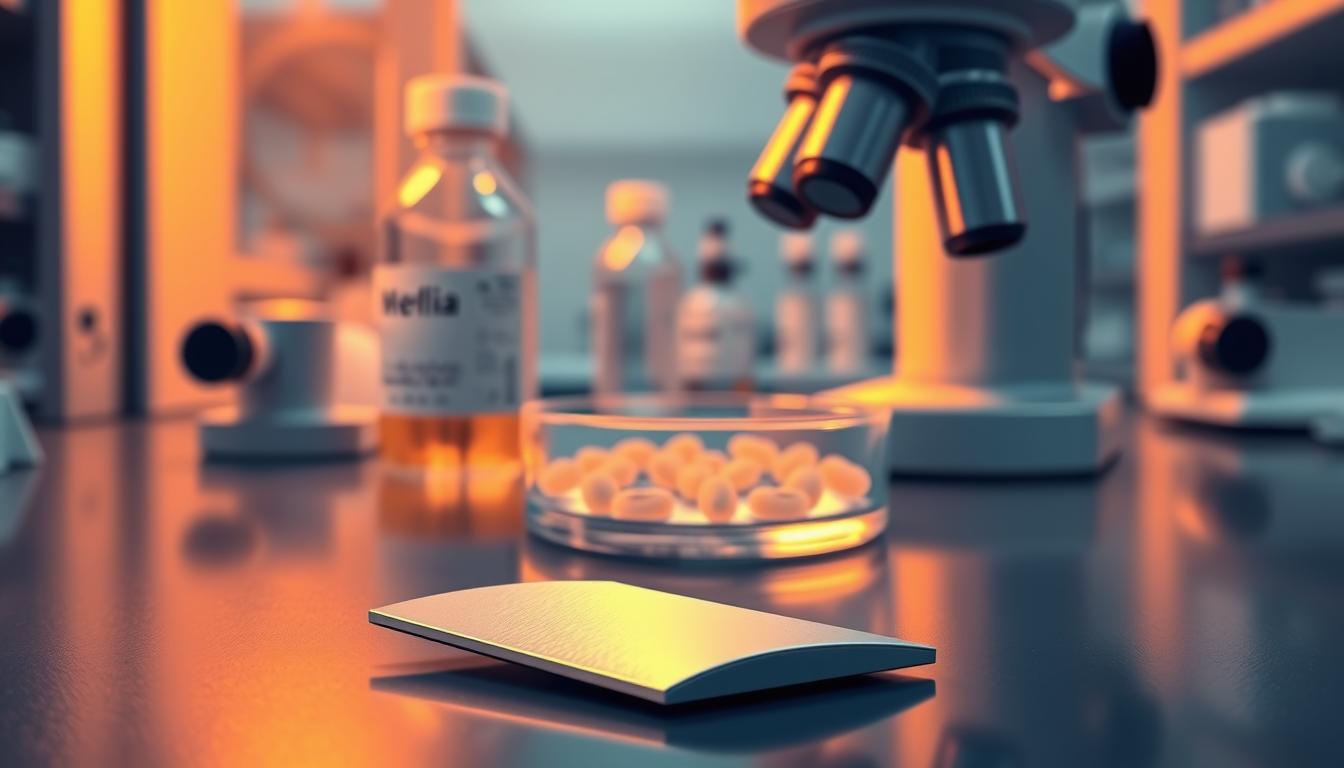
Are you having trouble getting delicate cell cultures out without harming them? The cell scraper is a game-changer for researchers who need to collect cells carefully.
Cell scrapers are key in today’s biology labs. They help scientists get cells from culture dishes in a smart way. These tools have soft, flexible blades to protect cells during the process.
Studies show cell scrapers are better for cell culture work. They cause less cell damage than methods like Trypsin. This makes them a reliable choice for researchers.
Cell scrapers are not just for collecting cells. They’re also great for keeping surface proteins intact. This is important for techniques like fluorescence-activated cell sorting (FACS).
Key Takeaways
- Cell scrapers minimize cellular damage during extraction
- Provides a gentler alternative to enzymatic digestion methods
- Ideal for preserving surface membrane proteins
- Supports various research applications in cell culture
- Reduces potential contamination risks
Understanding the Cell Scraper and Its Purpose
Cell scrapers are key tools in biology labs. They help get data and handle cells carefully. This is vital for many scientific studies.
The cell scraper market is growing fast. It’s expected to hit USD 966.80 million in 2024 and USD 1,635.57 million by 2031. This shows how important these tools are for collecting cells.
What is a Cell Scraper?
A cell scraper is a tool used in labs. It helps remove cells from surfaces without harming them. This is key for keeping cells alive during research.
- Features free-rotating blades for flexible positioning
- Provides access to all corners of culture vessels
- Enables gentle cell collection with minimal stress
The Role of Cell Scrapers in Cell Culture
Cell scrapers are vital for cell research. They help in:
- Passaging cells when 70-90% confluence is reached
- Transferring cells between culture containers
- Preparing samples for further experimental analysis
Key Features of a Quality Cell Scraper
When picking a cell scraper, look for these key features:
| Feature | Importance |
|---|---|
| Blade Flexibility | Allows precise cell collection from various surface types |
| Material Durability | Ensures consistent performance and longevity |
| Ergonomic Design | Reduces user fatigue during extended research sessions |
Cell scrapers are growing in importance. With a 7.80% annual growth rate, they’re crucial in biotech, pharma, and research. They help make important scientific discoveries.
Different Types of Cell Scrapers Available
Cell scrapers are key tools in labs, with many types for different needs. Knowing about these options helps researchers pick the right tool for their work.
Manual vs. Automated Cell Scrapers
There are two main types of cell scrapers:
- Manual Cell Scrapers: Old-school tools that need human touch
- Automated Cell Scrapers: High-tech tools with precision tech
Materials Used in Manufacturing Cell Scrapers
Cell scrapers are made from special materials for durability and performance:
| Component | Material | Primary Function |
|---|---|---|
| Handle | ABS Plastic | Give a strong grip |
| Blade | TPE (Thermoplastic Elastomer) | Help cells detach gently |
Selecting the Right Type for Your Needs
Think about the cell type, culture vessel, and your research when picking a cell scraper. The CytoOne® line has two main choices:
- CytoOne® Pivot Blade Scraper
- 25 units per inner pack
- Price: $264.35
- Can be used in different ways
- CytoOne® Fixed Blade Scraper
- 25 units per inner pack
- Price: $257.80
- Used in a standard way
Both scrapers are gamma sterilized and 1 inch x 1 inch x 1 inch. They support direct shipping. Researchers can use these tools for precise data collection without harming cells.
How to Effectively Use a Cell Scraper
Cell scrapers are key in labs for scraping cells. They help researchers get cells without harming them. This is important for studying cells.
Knowing how to use cell scrapers well is crucial. It affects the quality of research. Both manual and automated methods are important for keeping cells alive and research accurate.
Step-by-Step Guide to Manual Cell Scraping
Using a cell scraper needs care and precision. Here are the main steps:
- Make sure your workspace is clean and sterile.
- Check how full the cells are.
- Remove the culture media carefully.
- Hold the scraper at a 30-45 degree angle.
- Scrape gently but firmly with light pressure.
- Move the scraper in circles or sweeping motions.
- Put the cells in the right media.
Best Practices for Automated Cell Scraping
Automated systems make scraping cells more efficient. They reduce mistakes and give consistent results. This is great for big projects.
| Technique | Cell Breakage Rate | Membrane Protein Changes |
|---|---|---|
| Manual Scraping | 5-15% | 36% |
| Automated Scraping | 3-10% | 25% |
Common Mistakes to Avoid
When scraping cells, avoid damaging them:
- Don’t press too hard.
- Keep the angle and motion steady.
- Use the right media for collecting cells.
- Check if the cells are still alive after scraping.
“Precision in cell scraping is paramount to maintaining research integrity.” – Laboratory Research Protocols
By learning these methods, researchers can improve their work. This leads to better and more reliable results in science.
The Importance of Sterility in Cell Culture
Keeping a clean environment is key in cell culture work. Scientists must follow strict rules to avoid contamination. This ensures their data is trustworthy and reliable.

Maintaining Sterile Conditions with Cell Scrapers
Cell scrapers are crucial for keeping things clean. Labs must stick to strict rules to avoid contamination:
- Use individually wrapped, sterile cell scrapers
- Verify RNase and DNase-free certification
- Handle scrapers with sterile techniques
- Inspect packaging for integrity before use
Recommendations for Preventing Contamination
Contamination can ruin cell culture experiments. Studies show that aseptic techniques can cut contamination rates by up to 99%. Important steps to prevent contamination include:
- Work in a laminar flow hood
- Use sterile personal protective equipment
- Regularly disinfect work surfaces
- Monitor cell cultures consistently
The Role of Personal Protective Equipment (PPE)
Wearing the right PPE is vital for keeping things clean. Researchers should use:
| PPE Item | Purpose |
|---|---|
| Disposable gloves | Prevent direct contact and cross-contamination |
| Lab coat | Protect clothing and create barrier |
| Face mask | Reduce airborne particle transmission |
| Safety goggles | Shield eyes from potential splashes |
By following these sterility steps, scientists can make their cell culture work more reliable. This helps protect their research and investments.
Applications of Cell Scrapers in Various Labs
Cell scrapers are key tools in today’s labs, changing how we work with cells. They help us get and work with cells carefully and with little harm.
Labs use cell scrapers for many tasks, each needing its own way to handle cells.
Research Laboratory Innovations
Research labs use cell scrapers for detailed cell studies. Scientists like them because they:
- Keep cell membrane proteins mostly unchanged
- Lower cell damage rates
- Keep cells alive and healthy
Pharmaceutical Development Strategies
In drug research, cell scrapers help with testing and cell tests. They’re good at keeping cells whole during tests.
| Application | Cell Scraper Performance | Cellular Impact |
|---|---|---|
| FACS Analysis | Minimal Surface Protein Alteration | 36% Less Protein Changes |
| Drug Testing | Low Cell Breakage | 5-15% Breakage Rate |
| Protein Expression Studies | Reduced Membrane Damage | Enhanced Long-term Viability |
Academic Research Environments
Academic labs use cell scrapers for teaching and research. Web scraping in biology uses these tools to get cells with little trouble.
Cell scrapers are vital for advancing our knowledge of cells and how to study them.
Maintenance and Care for Cell Scrapers
Cell scrapers are key tools in labs for getting data. Keeping them in good shape is important. This helps them last longer and work better. It’s crucial for researchers to take care of these tools.
- Regular cleaning to remove biological residues
- Appropriate storage to prevent damage
- Routine inspections for wear and potential replacement
Regular Cleaning Procedures
Cleaning cell scrapers is a must in labs. Here’s how to do it right:
- Rinse the scraper immediately after use with sterile water
- Use mild, laboratory-approved detergents
- Thoroughly dry with lint-free laboratory wipes
- Sterilize using appropriate disinfection methods
Proper Storage Techniques
Keeping cell scrapers safe from damage is key. Store them in clean, dry places. Avoid sunlight and extreme temperatures. Use special containers to keep them safe and clean.
Inspections and Replacement Guidelines
Checking cell scrapers often is important. Look for:
- Blade integrity and sharpness
- Handle structural soundness
- Signs of corrosion or material degradation
Replace cell scrapers when they’re worn out or at risk of contamination. Most makers suggest replacing them after many uses or based on lab rules.
Quality Assurance in Cell Scraper Manufacturing
Quality assurance is key in making cell scrapers. It makes sure researchers get tools that are safe and work well. Manufacturers must follow strict rules to ensure these tools perform well and are safe for use.
The cell scraper market is growing fast. It’s expected to reach USD 1635.57 million by 2031. This growth shows more people need precise tools for their research and biotech work.
Standards for Biocompatibility
Testing for biocompatibility is crucial. It checks if cell scrapers meet the high standards needed for science. Manufacturers look at several important things:
- Chemical purity verification
- Material integrity assessment
- Surface compatibility with cell cultures
- Absence of toxic contaminants
Regulatory Compliance in Cell Culture Tools
Rules are important for keeping quality high. Using automated data collection helps makers follow global science rules.
| Compliance Aspect | Key Requirements |
|---|---|
| ISO Certification | Rigorous quality management systems |
| Sterility Verification | Gamma sterilization processes |
| Material Testing | DNase, RNase, and pyrogen-free certification |
Importance of Sourcing from Reputable Manufacturers
Choosing the right maker is very important. It affects the results of research. Thanks to web crawlers, it’s easier to check if a maker is trustworthy and committed to quality.
Biotech companies and research places want makers who are always improving and follow strict quality rules.
Impact of Cell Scrapers on Research Efficiency
Cell scrapers have changed how labs work, making cell culture easier. These tools help scientists get cells without harming them much. This makes research more efficient.
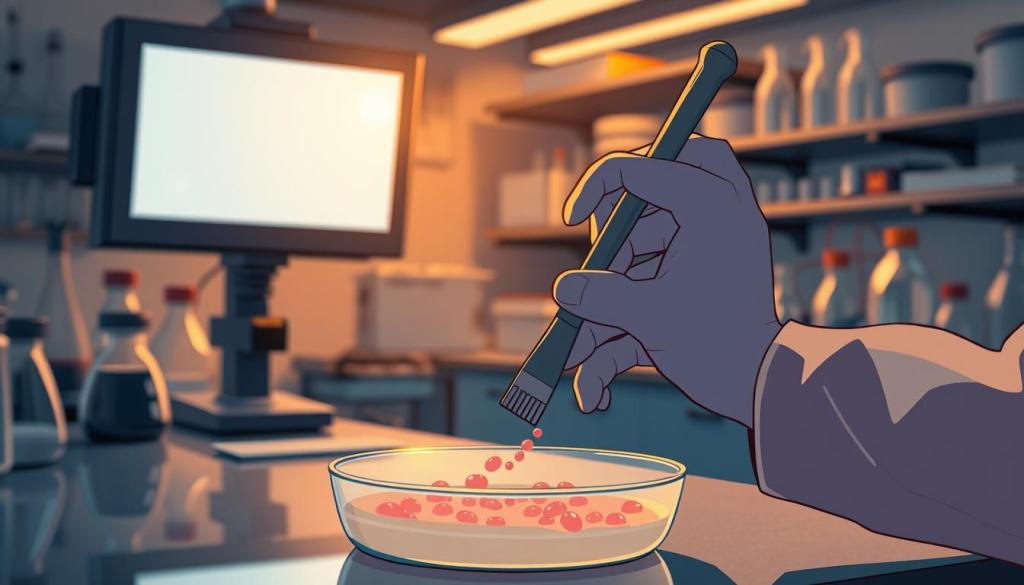
Studies show cell scrapers are key in mining content. They help scientists get cells carefully. This leads to better results in research.
- Trypsinized cells achieved ≥80.17±2.8% viability across tested cell lines
- Mechanical detachment via cell scrapers preserved higher cellular integrity
- Viability levels varied between 10.04% to 61.44% depending on cell type
Enhancing Workflow with Effective Scraping Tools
Choosing the right cell scraper can boost lab results. Precise mechanical detachment techniques reduce stress on cells. This helps keep experiments consistent.
Time Savings in Cell Passage Operations
Cell scrapers make cell transfer faster, saving time. This lets researchers work quicker without losing important cell traits. It speeds up their work.
Minimizing Cell Loss and Damage
Using advanced scraping methods cuts down on cell loss. Up to 61.44% of cells can stay intact. This boosts the reliability and value of research.
Safety Considerations When Using Cell Scrapers
When working with cell scrapers, safety is key. Researchers must protect themselves and keep their work safe. Knowing the risks and following safety steps helps avoid accidents and ensures accurate results.
Cell scraping needs careful attention to safety. It’s important to use strict safety measures to avoid dangers in biological research.
Personal Safety Guidelines
Keeping lab workers safe is a top priority. Important safety tips include:
- Wear the right personal protective equipment (PPE)
- Use disposable gloves and lab coats
- Work in designated biosafety cabinets
- Keep your workspace clean and organized
Safe Disposal of Contaminated Materials
Getting rid of harmful materials right is key to avoiding contamination. Researchers should:
- Use special biohazard containers
- Autoclave contaminated items
- Follow the rules for waste disposal
- Clean surfaces after use
Addressing Accidental Injuries
Quick action is vital when injuries happen during cell scraping. Fast and right steps can lessen risks:
“Prevention is always better than cure in laboratory settings.”
- Report all incidents right away
- Get medical help for cuts or exposures
- Write down and review what happened
- Take steps to prevent similar incidents
Following these detailed safety tips helps researchers stay safe during cell culture work.
Future Trends in Cell Scraper Technology
The world of cell scraper technology is changing fast. New discoveries in biology are leading to better ways to collect cells. These new methods are making cell harvesting more advanced and efficient.
New technologies are changing how scientists work with cells and web scraping. These advancements are making cell scrapers more accurate, automated, and ready for complex research.
Innovations in Design and Functionality
Modern cell scrapers are getting better in several ways:
- They are easier to hold and use
- Their surfaces are made with care to avoid damaging cells
- They work well with automated systems
Integration with Automated Systems
Automation is changing cell scraper technology. Now, robots help with:
- Collecting cells in a consistent way
- Lowering mistakes made by humans
- Doing more work in labs
- Watching cell cultures in real-time
Emerging Research Areas
New research is finding new uses for cell scrapers. This is especially true in:
| Research Area | Key Developments |
|---|---|
| 3D Cell Culture | Using new hydrogels and materials |
| Organ-on-a-Chip | Creating systems that mimic the body |
| Personalized Medicine | Collecting cells with high precision |
These new technologies are raising the bar in cell culture research. They allow for more detailed and accurate web scraping in biology.
Training and Education Resources for Lab Personnel
Keeping up with professional development in labs is key for top-notch research. Training in cell culture helps researchers do their work safely and accurately. This includes tasks like data extraction and web harvesting.
Online Training Modules for Safe Usage
Today’s labs use digital learning to teach staff. These online courses teach cell scraper techniques. They cover important topics like:
- How to handle and sterilize tools
- Spotting contamination risks
- Advanced ways to work with cells
- Keeping records digitally
Workshops on Best Practices in Cell Culture
Hands-on workshops are still a must for learning by doing. These sessions let researchers learn from experts. They focus on:
- Mastering cell scraping techniques
- Keeping equipment in good shape
- New tech in cell culture
- Staying safe
Collaborative Learning in Research Teams
Working together boosts learning and skill sharing. Teams gain from shared experiences and mentorship. This leads to ongoing learning and new ideas in cell culture.
Continuous education is the cornerstone of scientific excellence and laboratory safety.
Conclusion: The Role of Cell Scrapers in Advancing Biotechnology
Cell scrapers are key in biotechnology, leading to big steps in cell research and development. The global market for these tools is expected to grow from USD 1.2 Billion in 2022 to USD 2.8 Billion by 2030. This shows how important they are in science.
Researchers use these tools for automated data collection. This makes lab work more precise and efficient. It helps them do their jobs better.
The world of biotechnology keeps changing, and cell scrapers are at the heart of it. The market’s growth shows a big investment in research, especially in North America, Europe, and Asia-Pacific. Scientists use these tools to explore cells with great detail. They can quickly find and study different cell types.
Emerging Research Perspectives
New cell scraper technology will change how we do cell research. More funding from schools and governments will help speed up these changes. Manufacturers will focus on making high-quality, sustainable tools.
Researchers will get better tools to make complex cell studies easier. These tools will help make big discoveries in regenerative medicine and cell biology.
Strategic Recommendations
Lab workers should stay up-to-date with the latest cell scraper technology. The market’s growth means we’ll see more advanced, reliable products. By using these new tools, labs can improve their work and help the world of biotechnology grow.
FAQ
What is a cell scraper and why is it important in laboratory settings?
A cell scraper is a key tool in labs. It helps detach cells from surfaces without harming them. This is crucial for keeping cells healthy and ready for research.
How do I choose the right cell scraper for my research?
Choosing the right cell scraper depends on several things. Consider the type of cells, the size of the vessel, and your research needs. Look at the material, length, and whether you need a manual or automated scraper.
What are the key techniques for using a cell scraper effectively?
To use a cell scraper well, move it gently and consistently. Use even pressure and a circular motion. Hold it at the right angle and keep everything clean and sterile.
How do I maintain the sterility of cell scrapers?
To keep cell scrapers sterile, use ones that are packaged individually. Handle them carefully and wear the right protective gear. Store them in clean places and check for contamination before use.
What are the most common applications of cell scrapers?
Cell scrapers are used in many places, like research labs and universities. They help with cell passage, drug testing, and more. They’re key for studying cells and doing molecular biology.
How often should I replace my cell scrapers?
Replace cell scrapers often to keep them working well and prevent contamination. Look for wear and tear or damage. Most say to replace them after each use to keep things clean.
Are there safety considerations when using cell scrapers?
Yes, safety is very important with cell scrapers. Wear the right gear, handle them carefully, and know the risks. Always follow safety rules and get proper training.
What future innovations are emerging in cell scraper technology?
New innovations include designs that help cells stay healthy and integration with automated systems. There are also specialized scrapers for new tech like 3D cell culture. Manufacturers are making tools that are more precise and efficient.
How do cell scrapers impact research efficiency?
Cell scrapers make research faster and more efficient. They help harvest cells gently, reducing damage and loss. This means better results and a smoother lab workflow.




Leave a Comment
Your email address will not be published. Required fields are marked *