


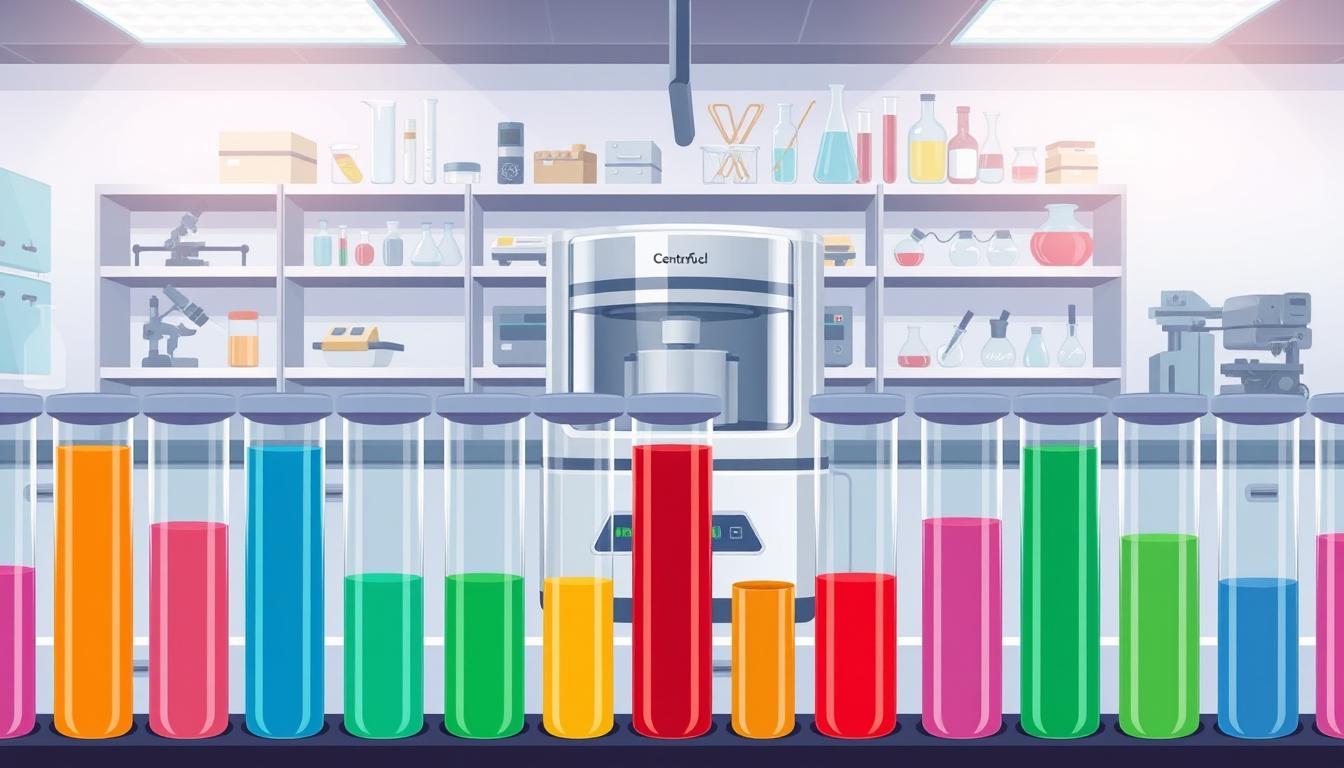
Ever wondered how scientists separate tiny parts with such precision? It’s like magic. But it’s not magic; it’s thanks to centrifuge tubes. These tubes help scientists solve complex mysteries by separating samples.
Centrifuge tubes are key in many scientific fields. They help in medical, environmental, and biological research. These containers are crucial for analyzing and separating samples accurately.
Centrifuge tubes come in all sizes, from tiny 0.5mL tubes to big 50mL ones. Scientists use them to work with complex samples. They help separate cells and conduct detailed research.
Key Takeaways
- Centrifuge tubes are essential for scientific research and sample preparation
- Available in multiple sizes from 0.5mL to 50mL
- Critical for separating cellular and molecular components
- Used across various scientific disciplines
- Enable precise and reliable sample analysis
Understanding Centrifuge Tubes and Their Importance
Centrifuge tubes are key tools in science, helping with sample work and analysis. They are used in many fields. These containers help separate substances by spinning them fast.
Scientists use different tubes for their needs. Microcentrifuge and conical tubes are two main types. They meet various lab needs.
What Are Centrifuge Tubes?
Centrifuge tubes are made to handle fast spinning. They come in sizes from 0.2 mL to 50 mL. This range fits many research needs.
Different Types of Centrifuge Tubes
- Microcentrifuge tubes: Small, versatile containers ideal for minimal sample volumes
- Conical centrifuge tubes: Larger tubes with tapered bottoms for efficient sample collection
- Material variations:
- Polypropylene (PP): Chemical-resistant and durable
- Polycarbonate (PC): High centrifugal force tolerance
- Glass: Chemically robust but more fragile
Common Applications in Laboratories
Microcentrifuge and conical tubes are vital in many areas:
- Molecular biology
- Cell culture studies
- Biochemical analysis
- Clinical diagnostics
Scientists pick tubes based on size, spinning force, and experiment complexity. Sterile tubes help avoid contamination, making research results reliable.
Key Features to Consider When Choosing Centrifuge Tubes
Choosing the right centrifuge tubes is key for lab success. Scientists need to look at several important traits. This ensures their experiments work well and reliably.
Lab experts must think about many things when picking centrifuge tubes. They need to know what their research needs are. This helps them pick the best tubes for their work.
Material Composition
Polypropylene centrifuge tubes are a top choice in labs. They have great qualities for many research tasks:
- They resist most organic solvents well.
- They can handle high-speed spinning without breaking.
- They are light and affordable.
- They can handle a wide range of temperatures.
Volume Capacity
Researchers must pick tube sizes that fit their experiments. Tubes come in all sizes, from tiny (0.2 mL) to big (250 mL). This lets them handle samples in many ways.
Choosing the right size tube is important. It helps avoid losing samples and ensures accurate results.
Autoclavability and Sterility
Autoclavable centrifuge tubes are vital for keeping things clean in sensitive labs. Important points to consider are:
- They must be able to handle high-temperature sterilization.
- They should stay strong even after being autoclaved many times.
- They must keep experiments free from contamination.
Choosing the right tubes is crucial for the quality and reliability of research.
The Role of Centrifuge Tubes in Biological Research
Biological research needs precise sample analysis. High-speed centrifuge tubes are key in this process. They help separate complex biological samples efficiently and accurately.
Researchers use high-speed centrifuge tubes in many fields. These tubes are crucial for various scientific studies.
Sample Separation Techniques
Separating samples is vital in biological research. High-speed centrifuge tubes support several separation methods:
- Cell component isolation
- Protein purification
- DNA and RNA extraction
- Blood plasma fractionation
Density Gradient Centrifugation
Density gradient centrifugation is a sophisticated technique. High-speed centrifuge tubes help create layered solutions. This allows for precise separation of particles based on molecular weight and characteristics.
Some key uses of density gradient centrifugation are:
- Viral particle isolation
- Organelle separation
- Subcellular fractionation
- Molecular weight determination
The accuracy of high-speed centrifuge tubes is crucial. It lets researchers conduct complex studies with confidence and reliability.
Best Practices for Using Centrifuge Tubes
Laboratory experts know that handling centrifuge tubes right is key. It keeps samples safe and results accurate. These tools need careful use for good research.
Using centrifuge tubes well means following some important rules. These rules help make research better and safer.
Proper Labeling Techniques
Labeling samples right is a big deal. Scientists should use good labeling methods:
- Use markers that won’t fade with moisture or chemicals
- Write the sample name, date, and who took it
- Keep a consistent labeling style in the lab
- Use colored labels to spot samples fast
Handling and Storage Guidelines
How you handle tubes is very important. It keeps samples clean and good. Here are some key tips:
- Check tubes for damage before you start
- Wear gloves to avoid contamination
- Store tubes in racks at the right temperature
- Keep sensitive samples away from light and temperature changes
| Tube Type | Recommended Storage | Temperature Range |
|---|---|---|
| Polypropylene | Vertical Position | -20°C to Room Temperature |
| Glass | Horizontal Rack | 4°C to Room Temperature |
| Specialized Research Tubes | Manufacturer Recommendations | Varies by Specific Application |
Being careful with centrifuge tubes leads to reliable science. It keeps labs at high standards.
Maintenance and Care for Centrifuge Tubes
Keeping self-standing centrifuge tubes in good shape is key for lab work. It helps avoid contamination and keeps results reliable. Lab experts need to create good care plans to make these tools last longer and work better.
Good care means following a few important steps. These steps help keep the tubes and research safe:
- Regular check-ups for damage
- Cleaning them well
- Storing them right
- Checking for damage
Cleaning Procedures for Self-Standing Centrifuge Tubes
Cleaning these tubes needs careful attention. Here are some cleaning tips:
- Wash them right after use with the right solvents
- Use gentle lab cleaners
- Try ultrasonic cleaning for tough spots
- Dry them well to stop moisture problems
Inspecting for Potential Damage
Checking for damage regularly is crucial. Lab workers should look closely at:
- Microscopic cracks
- Seal strength
- Thread quality
- Structural soundness
Experts say labs should check tubes every month to avoid bad results.
With strict care, tubes can last longer and give better results. This is key for good science.
Innovations in Centrifuge Tube Design
Scientific research is always evolving, and so is the design of laboratory equipment. Nucleic acid storage tubes have seen big changes. These tubes now help labs work more efficiently and keep samples safe.
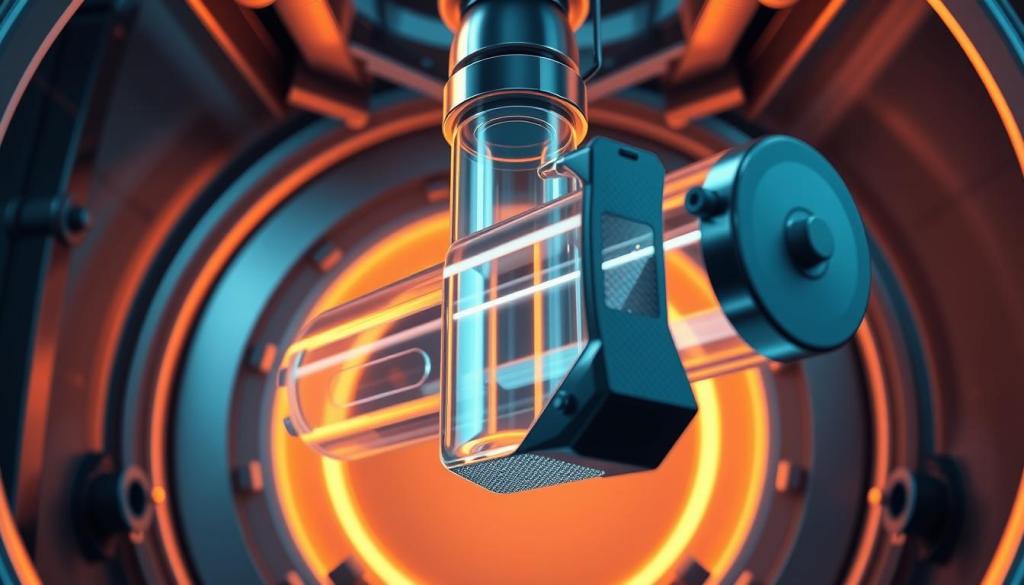
New advancements have made nucleic acid storage tubes much better. They focus on materials and design that make lab work easier.
Advancements in Material Technology
Lab workers now use tubes made from advanced materials. Moving from glass to plastics like polypropylene has changed research for the better.
- Enhanced durability with advanced plastic compositions
- Improved chemical resistance
- Increased temperature tolerance
- Reduced risk of sample contamination
User-Friendly Features
Today’s nucleic acid storage tubes are designed with the user in mind. They aim to keep samples safe and make lab work easier.
| Feature | Benefit |
|---|---|
| Conical bottoms | Improved sample concentration |
| Color-coded labels | Enhanced organization |
| Leak-proof seals | Increased sample protection |
| Standardized dimensions | Seamless automation compatibility |
The future of nucleic acid storage tubes includes smart technologies like RFID tracking. This will bring even more precision and control to scientific research.
Safety Considerations with Centrifuge Tubes
Laboratory safety is key in scientific research, especially with centrifuge tubes. It’s vital to follow strict safety rules to avoid accidents and keep people safe.
Working with centrifuges comes with many risks. OSHA says most accidents happen because of mistakes made by users. This shows how important it is to follow safety rules carefully.
Universal Precautions
Universal precautions are crucial for safety in the lab:
- Check centrifuge tubes for any damage before using them
- Make sure tubes can handle the temperature and speed needed
- Fill tubes no more than two-thirds full for balance
- Clean the outside of tubes with disinfectant when dealing with biohazards
“Safety is not an accident, but a deliberate and continuous process in laboratory work.” – Laboratory Safety Expert
Personal Protective Equipment (PPE)
Wearing the right protective gear is key when working with centrifuge tubes. Researchers should always wear:
- A lab coat with long sleeves
- Chemical-resistant gloves
- Safety goggles or a face shield
- Closed-toe shoes
OSHA suggests waiting ten minutes before opening a centrifuge to avoid exposure to airborne samples. Being proactive with safety can greatly reduce risks in the lab.
Knowing and following these safety steps helps keep lab workers safe. It also ensures the quality of research done with centrifuge tubes.
Environmental Impact of Centrifuge Tube Usage
Laboratory supplies are vital in scientific research, with centrifuge tubes being a key part. The environmental impact of these tools is now a big concern in labs.
The choice between disposable and reusable centrifuge tubes raises big environmental questions. Researchers must weigh scientific needs against the planet’s health.
Disposable vs. Reusable Tubes: An Environmental Perspective
Several environmental factors come into play when looking at centrifuge tubes:
- Waste from single-use tubes
- Resources needed to make tubes
- Risks of contamination with reused tubes
- Long-term environmental effects
Innovative Recycling Programs for Laboratory Equipment
Scientific places are coming up with new ways to lessen environmental harm. Recycling programs for lab supplies are focusing on:
- Specialized plastics recycling
- Safe disposal methods
- Material recovery efforts
- Green lab practices
Research centers are now seeing the need for recycling tubes. This not only cuts down on waste but also encourages greener science.
Sustainable lab management is key to reducing harm to the environment while keeping research true to its goals.
Regulations Affecting Centrifuge Tube Use
Understanding the rules for lab equipment is key for researchers using centrifuge tubes. Labs must follow strict rules to keep research safe and reliable.

Following the rules is important for researchers using centrifuge tubes in labs.
FDA Guidelines Compliance
The Food and Drug Administration (FDA) sets rules for lab equipment, especially for centrifuge tubes in medical and drug research. These rules cover:
- Ensuring material quality and safety
- Maintaining consistent manufacturing standards
- Preventing potential contamination risks
Importance of ISO Standards
ISO standards are crucial for keeping lab equipment reliable. They help with:
- Quality control processes
- Performance specifications
- Safety protocols for centrifuge tubes
“Adherence to regulatory standards is not optional—it’s a fundamental requirement for credible scientific research.” – Scientific Research Consortium
Researchers need to keep detailed records of their work. This includes tracking how they use and maintain equipment. Keeping good records helps make research clear and reliable.
By sticking to FDA and ISO rules, labs can ensure their centrifuge tubes are trustworthy. This helps keep research honest and of high quality.
Future Trends in Centrifuge Tube Development
The world of laboratory equipment is changing fast, with centrifuge tubes leading the way. New trends in science are changing how we handle and analyze samples. Experts say we will see big changes in how centrifuge tubes are made and work in the next ten years.
Adding smart technology to centrifuge tubes is a big step forward. Scientists are working on systems that track samples in real time. This helps make research more accurate and cuts down on mistakes, especially in biology and medical testing.
There’s also a push for making centrifuge tubes more eco-friendly. Labs are using materials and methods that are better for the planet. This includes making tubes that can be recycled or broken down naturally, without losing their quality for research.
The demand for centrifuge tubes is growing fast, with a 6.0% annual increase expected from 2021 to 2031. This growth means more money for research and development. It also promises new technologies that will help scientists do even more complex work in many fields.
FAQ
What are centrifuge tubes and why are they important in scientific research?
Centrifuge tubes are special containers for holding samples during centrifugation. They are key in biology for separating mixtures and storing samples. They help in many scientific fields like molecular biology and cell biology.
What materials are typically used to manufacture centrifuge tubes?
Polypropylene is the main material for centrifuge tubes. It’s strong, resistant to chemicals, and safe for high-speed spinning. These tubes are clear or semi-clear, making it easy to see what’s inside.
How do I choose the right centrifuge tube for my specific research needs?
Choosing the right tube depends on several things. You need to think about the sample size, how fast it needs to spin, and what it’s made of. Also, consider if the tube needs to be sterilized or can handle high speeds.
What are the different types of centrifuge tubes available?
There are many types of tubes, like microcentrifuge and conical tubes. There are also special tubes for storing nucleic acids. Each type is designed for different needs, like how much you need to store and how fast it can spin.
How should I properly handle and store centrifuge tubes?
Handle tubes with clean hands and avoid mixing them up. Store them in a cool, dry place away from sunlight. Keep graduated tubes upright to keep the markings right and prevent leaks.
What safety precautions should be taken when using centrifuge tubes?
Always wear gloves and safety glasses. Make sure the tubes are balanced and check for damage before spinning. Follow the right way to throw away tubes with biological samples.
How do I maintain the integrity of my samples in centrifuge tubes?
Use the right tubes for your spinning needs. Keep them away from extreme temperatures and contaminants. Sealing and handling them carefully helps keep your samples good.
Are there environmentally friendly options for centrifuge tubes?
Yes, there are eco-friendly options like recyclable tubes. Some labs recycle their plastic tubes to help the environment.
What regulations govern the use of centrifuge tubes in research?
Tubes for clinical or pharmaceutical research must follow FDA and ISO rules. These rules make sure the equipment is safe and reliable for sensitive research.
What recent innovations have been developed for centrifuge tubes?
New tubes have better materials and designs. They have clearer graduation marks and are made for specific uses like storing nucleic acids. There’s also work on adding smart tracking systems for better sample management.




Leave a Comment
Your email address will not be published. Required fields are marked *