



Is your lab work as precise as it could be? The key to amazing scientific discoveries might be in something simple: a pipette tip. 5ml pipette tips are the hidden gems of lab work, making sure every test is accurate and reliable.
Scientists in many fields count on top-notch 5ml pipette tips. They help turn complex research into clear, repeatable results. These small tools are crucial for keeping experiments true to form.
Today’s labs need top precision. The right 5ml pipette tip can lead to groundbreaking findings. Thanks to advanced making and strict quality checks, these tips now offer unmatched performance for researchers.
Key Takeaways
- 5ml pipette tips are essential for precise liquid handling
- High-quality tips improve experimental accuracy
- Various configurations available for different research needs
- Compatibility with multiple pipette brands
- Critical for maintaining research integrity
What are 5ml Pipette Tips?
Laboratory equipment is key in scientific research. 5ml pipette tips are vital for precise liquid handling. They help researchers manage samples accurately in many fields.
Pipette tips are essential lab supplies. They connect to pipettes for precise liquid handling. Their main job is to transfer liquids safely and accurately.
Definition and Purpose
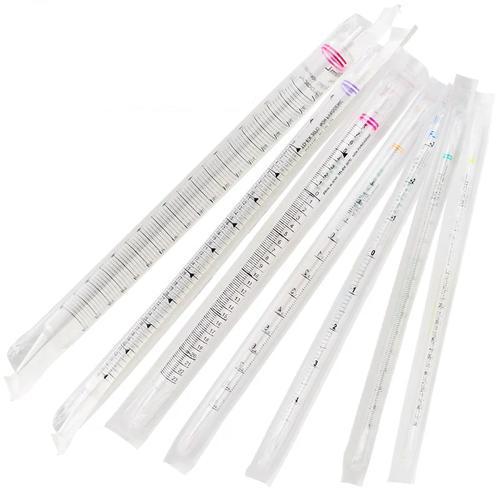
A 5ml pipette tip is a disposable plastic part for pipettes. It’s made for exact liquid handling. These tips meet strict scientific standards, helping in complex lab work needing precise volume control.
Key Features
- Precision-molded design for consistent liquid transfer
- Compatibility with multiple pipette models
- Made from high-quality, chemically resistant materials
- Sterilized and individually packaged
- Available in various tip configurations
Applications in Laboratories
| Research Field | Specific Application |
|---|---|
| Molecular Biology | DNA/RNA sample preparation |
| Microbiology | Culture media dispensing |
| Clinical Diagnostics | Precise fluid handling |
| Pharmaceutical Research | Drug development screening |
Scientists use 5ml pipette tips for their accuracy and reliability. These critical laboratory tools help in delicate procedures. They reduce the chance of errors or contamination.
The Importance of Precision in Pipetting
Precision is key in scientific research, especially with tools like scientific instruments and biotechnology. In labs, how well you handle liquids can change the whole outcome of an experiment. That’s why 5ml pipette tips are so vital.
It’s important for researchers to know the difference between accuracy and precision. Even tiny mistakes in handling liquids can greatly affect the results of a study.
Accuracy vs. Precision: Understanding the Difference
In scientific measurements, accuracy and precision are not the same:
- Accuracy means how close a measurement is to the real value
- Precision shows how consistent repeated measurements are
Impact on Experimental Results
Accurate pipetting is essential for good research. Here are some important points to keep in mind:
- Keep the temperature at 21.5°C ± 1°C
- Let samples adjust for 20 minutes
- Don’t set pipettes below 10% of their max volume
- Pre-rinse pipette tips for better accuracy
Professional labs know that consistent pipetting is crucial for reliable results. Even small changes can cause big problems in research. This shows how important it is to be precise and use top-notch scientific tools.
Materials Used in 5ml Pipette Tips
Scientific research needs top-notch lab supplies that meet strict standards. The materials in 5ml pipette tips are key for precision and reliability. They help researchers use scientific instruments in many fields.
Common Materials in Lab Supplies
Polypropylene is the main material for making pipette tips. It’s a versatile polymer with great qualities for science:
- Chemical resistance to many reagents
- Low binding for precise liquid transfer
- Exceptional durability
- Stable at different temperatures
Advantages of Material Selection
Different polypropylene grades offer special benefits for research. High-grade polypropylene ensures:
- Little sample loss
- Less contamination risk
- Consistent performance in various temperatures
Environmental Considerations
Today’s lab supplies focus on being green. Makers are creating recyclable polypropylene pipette tips. These tips keep scientific accuracy while being kind to the planet. Researchers can now pick eco-friendly options without losing precision.
Innovative material technologies continue to advance laboratory consumables, balancing performance with environmental responsibility.
Types of 5ml Pipette Tips Available
Laboratory professionals use different pipette tips for precise liquid handling. Each type is made for specific research needs. This improves accuracy and keeps samples safe in scientific tests.
There are many pipette tip options to boost lab equipment performance:
- Standard Tips: Versatile and widely used across various applications
- Filter Tips: Prevent cross-contamination during sensitive procedures
- Low-Retention Tips: Ideal for handling viscous or valuable samples
Standard Tips: Fundamental Laboratory Tools
Standard pipette tips are the most common in labs. Made from high-quality polypropylene, they work well for everyday lab tasks.
Filter Tips: Ensuring Sample Purity
Filter tips have a special barrier to stop aerosol contamination. These advanced pipette tips protect sensitive experiments by blocking potential sample cross-contamination.
Low-Retention Tips: Maximizing Sample Recovery
Low-retention tips are for tough liquid handling jobs. They help keep samples from sticking to the tips. This way, researchers can get almost all of their valuable or thick samples back.
| Tip Type | Volume Range | Key Features |
|---|---|---|
| Standard Tips | 20-1000 μL | General purpose, cost-effective |
| Filter Tips | 20-200 μL | Prevents aerosol contamination |
| Low-Retention Tips | 5-1000 μL | Maximizes sample recovery |
Picking the right pipette tip is key for great results in molecular biology, clinical diagnostics, and pharmaceutical research.
Benefits of Using High-Quality 5ml Pipette Tips
In the world of lab supplies, 5ml pipette tips are key for research. They need to be precise and reliable. This is crucial for labs.
Scientists look for tools that make their work more accurate. High-quality 5ml pipette tips offer big benefits. They can change how labs work.
Improved Accuracy in Liquid Handling
Top-notch pipette tips make pipetting more accurate. Studies show they can boost precision by up to 10%. This means better results in experiments.
- Reduces pipetting errors by minimizing volume variations
- Ensures consistent liquid transfer across multiple samples
- Supports reproducibility in sensitive scientific procedures
Reduced Contamination Risk
Contamination is a big worry in labs. Premium 5ml pipette tips help a lot. They can cut cross-contamination risks by up to 50%.
Maintaining sample integrity is crucial for producing trustworthy scientific outcomes.
Enhanced Durability and Cost-Effectiveness
Buying high-quality pipette tips is a smart move. They last longer, up to 15% longer than regular ones. This means less money spent on replacements and better performance.
- Withstands repeated use without structural degradation
- Maintains precise measurement capabilities
- Reduces overall laboratory consumables expenditure
Selecting the Right 5ml Pipette Tips
Choosing the right 5ml pipette tips is key for good lab work and precise handling of liquids. Researchers need to look at several important factors. This ensures the micropipettes work well and experiments are accurate.
Choosing the right pipette tips means understanding what matters for research success.
Compatibility with Pipettes
It’s vital to pick tips that fit your micropipettes well for accurate handling. Different micropipettes need specific tips to stay precise. Important factors include:
- Tip material matching pipette specifications
- Precise diameter and length requirements
- Mechanical fit to prevent leakage
Considerations for Liquid Types
The type of liquid you’re working with affects tip choice. Researchers should think about:
- Viscosity of experimental solutions
- Chemical composition
- Potential contamination risks
Storage and Handling Tips
Storing tips right keeps them quality and prevents contamination. Good practices are:
- Store in sealed, sterile containers
- Maintain consistent temperature
- Protect from dust and humidity
| Tip Characteristic | Recommended Specification |
|---|---|
| Material | Medical-grade polypropylene |
| Sterilization Method | Gamma radiation |
| Storage Conditions | 20-25°C, low humidity |
Picking 5ml pipette tips carefully is crucial for reliable results and top lab precision.
Proper Technique for Using 5ml Pipette Tips
Mastering pipetting is key for researchers. The right way to handle pipette tips is crucial. It affects the accuracy of your results.
Good pipetting needs focus and practice. Tips must be handled carefully to keep experiments reliable.
Step-by-Step Usage Instructions
- Choose the right 5ml pipette tip for your needs
- Check the tip for damage or dirt
- Make sure the tip fits well on the pipette
- Adjust the pipette to the right volume
- Dip the tip into the liquid at a 90-degree angle
- Take the liquid smoothly, without sudden moves
- Put the liquid down carefully against the side of a container
Common Mistakes to Avoid
- Incorrect tip attachment can lead to contamination
- Don’t hold the pipette at an angle for small volumes
- Pre-wet tips for thick or small samples
- Use the same pressure when sucking up liquid
| Pipetting Challenge | Recommended Solution |
|---|---|
| Bubble formation | Use slow, controlled plunger release |
| Volume accuracy | Choose pipettes matching sample volume range |
| Temperature variations | Pipette at consistent room temperature |
Getting good at pipetting takes time and effort. Focus on consistent technique and avoid errors when using lab supplies.
Maintenance of Pipette Tips
Keeping laboratory equipment in top shape is key. This includes pipette tips, which are vital for biological research workflows. It’s important to clean and store them properly to maintain precision.
Essential Cleaning Guidelines
Cleaning lab supplies is a must. Here are some important steps:
- Use 70% ethanol for daily cleaning of pipettes
- Perform decontamination every three months for frequently used pipettes
- Inspect pipettes annually to comply with ISO 8655 standards
Sterilization Techniques
Sterilizing scientific instruments is crucial. There are several ways to do it:
- Autoclaving: Sterilize at 121°C for 20 minutes
- Chemical disinfection using 3% hydrogen peroxide
- UV radiation exposure for 30-60 minutes
Storage Conditions for Optimal Longevity
Storing pipette tips right is vital. Here’s how to do it:
- Store pipettes in an upright position
- Maintain a clean, dust-free environment
- Avoid exposure to extreme temperatures
- Replace filter tips regularly to prevent contamination
By sticking to these maintenance tips, researchers can keep their pipette tips reliable and accurate. This supports the quality of their scientific work.
Innovations in Pipette Tip Technology
The world of biotechnology tools is always changing. Scientific instruments are getting more advanced. New liquid handling technologies have changed how researchers work in labs.
Modern pipette tip technology has made big steps forward. Now, labs get better performance and thanks to new designs.
Advanced Design Breakthroughs
Today’s pipette tips have amazing new tech:
- FlexFit technology reduces attachment forces
- They work with many pipette brands
- They have special shapes for better liquid handling
Performance Enhancement Strategies
Researchers use new tech for better results:
| Technology Feature | Performance Impact |
|---|---|
| X-Resin® Material | Less sample retention |
| Blade® Design | No hanging droplets |
| SOFTattach Technology | 40% less tip attachment force |
These new features are a big step up in tool design. They help researchers get more accurate and reliable results.
The future of lab tech is in making tools more precise for new research.
Regulatory Standards for 5ml Pipette Tips
Scientific research needs precise tools that follow strict rules. Researchers count on top-notch equipment to make sure their work is accurate and can be repeated.
Pipette tips are key tools in research that must follow strict rules. The International Organization for Standardization (ISO) sets detailed guidelines for making and checking these tools.
Compliance Requirements Overview
Important rules for pipette tips include:
- ISO 8655 for piston-operated volumetric apparatus
- ISO 14644-1 for cleanroom manufacturing standards
- Quality control validation processes
Importance of Certification
Certification makes sure lab tools meet exact standards. Makers have to show:
- Dimensional accuracy
- Material consistency
- Contamination prevention
| Standard | Key Requirements | Impact on Research |
|---|---|---|
| ISO 8655 | Volumetric Precision | Ensures Measurement Accuracy |
| ISO 14644-1 | Cleanroom Manufacturing | Minimizes Contamination Risk |
| Quality Control | Performance Testing | Validates Consistent Performance |
Following these rules means researchers can rely on their tools. This supports the trustworthiness of scientific research in many fields.
Frequently Asked Questions About 5ml Pipette Tips
Researchers often ask about 5ml pipette tips. These tools are key in biological research. They need careful choice and upkeep for best results.
Scientists worry about compatibility with pipette tips. Top-quality tips work with brands like Gilson™, Eppendorf™, and Thermo™. It’s important to check tip size and design. Look for color-coded caps to see if tips match.
Keeping tips clean and stored right is vital. BRAND filter tips are safe for autoclaving and don’t harm samples. Store tips in sealed containers to keep them clean. With the right care, these tools stay precise and reliable for many studies.
Expert Tips for Lab Success
Knowing the details of pipette tips can boost research success. Always check the error limits (0.60% systematic, 0.20% random) when picking 5ml tips. Think about tip material, how it’s sterilized, and if it fits your lab gear for the best results.
FAQ
What are 5ml pipette tips used for in laboratory settings?
5ml pipette tips are key tools in labs for handling liquids. They fit on micropipettes for precise volume transfer. This is crucial in many scientific fields, helping to avoid mistakes in experiments.
How do I choose the right 5ml pipette tip for my research?
Choosing the right 5ml pipette tip involves several factors. Look at compatibility with your micropipette and the liquid you’re working with. Also, consider contamination risks and your research needs. Think about the tip’s material, if it has a filter, and how well it retains liquids.
What materials are typically used in manufacturing 5ml pipette tips?
Polypropylene is the main material for 5ml pipette tips. It’s durable, resistant to chemicals, and has low protein binding. High-quality tips are made to retain as little sample as possible, ensuring they work well in labs.
How can I prevent contamination when using pipette tips?
To avoid contamination, use filter tips with a built-in barrier. Always change tips between samples and store them properly. Use sterile techniques and keep tips in sealed containers to keep them clean.
What is the difference between standard and filter pipette tips?
Standard tips are for general liquid transfer. Filter tips have a microfilter to block contamination. They’re essential in sensitive areas like PCR and cell culture.
How should I store and maintain my 5ml pipette tips?
Keep tips in their packaging or sealed containers to protect them. Store them in a cool, dry place away from sunlight. Always handle tips with clean hands or gloves and avoid touching the inside of the tip.
What are low-retention pipette tips, and when should I use them?
Low-retention tips are made to prevent liquids from sticking to them. They’re best for viscous liquids and samples like proteins and DNA/RNA. They ensure accurate and complete liquid transfer.
How do I ensure accurate pipetting technique?
To pipette accurately, attach tips correctly and use consistent speed and angle. Avoid using too much force. Regularly calibrate your micropipettes and practice standard techniques for precise liquid handling.
Are 5ml pipette tips recyclable?
Many 5ml pipette tips are recyclable because they’re made from polypropylene. However, recycling depends on local facilities and contamination risks. Labs may recycle or focus on reducing plastic waste through sustainable practices.
What regulatory standards apply to 5ml pipette tips?
Pipette tips must meet ISO 8655 standards for quality and performance. Manufacturers must ensure tips are dimensionally accurate, made from pure materials, and consistently perform well. This ensures reliable research results.





Leave a Comment
Your email address will not be published. Required fields are marked *