


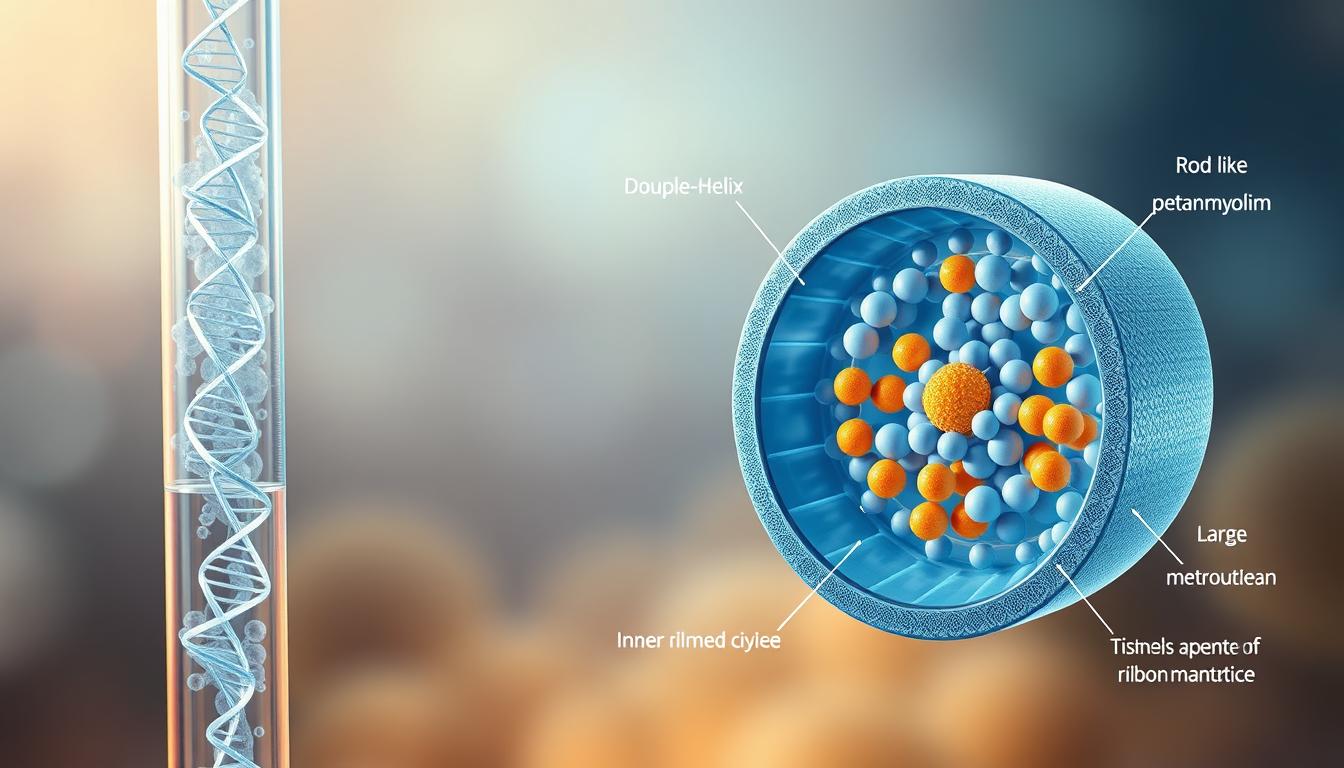
Ever wondered how scientists get clean DNA from tough samples? Spin column DNA extraction is a game-changer in labs. It’s a method that makes getting DNA from complex samples easy and precise.
Today’s science needs fast and effective ways to get DNA. Spin column DNA extraction is a top choice for labs. It uses special silica membranes to quickly and accurately separate DNA from different samples.
Spin-column kits are now the go-to in labs for DNA work. They outperform old methods, giving scientists pure DNA fast and reliably. This is a big win for research.
Key Takeaways
- Spin column DNA extraction provides rapid and efficient nucleic acid purification
- Commercial kits offer standardized and reproducible extraction protocols
- Silica membrane technology enables high-quality DNA isolation
- The method is adaptable to various sample types and research applications
- Chaotropic salts play a critical role in DNA binding and extraction
Overview of Spin Column DNA Extraction Techniques
Spin column DNA extraction is a game-changer in molecular biology. It was introduced in 1989 by McCormick and colleagues. Now, it’s key in genetic research and diagnostics.
This method uses silica membranes to capture and purify DNA. It’s faster and safer than old methods. It also makes DNA extraction easier.
- Reduced extraction time (28-35 minutes)
- Higher purity DNA extraction
- Minimal use of hazardous chemicals
- Simplified operational workflow
What is Spin Column DNA Extraction?
Spin column DNA extraction is a four-step process. It isolates genetic material quickly and efficiently. DNA sticks to silica membranes, while contaminants are washed away.
Importance of DNA Extraction in Research
Genomic dna extraction is vital in many fields. It’s needed for:
- Genetic disease diagnosis
- Forensic investigations
- Evolutionary biology studies
- Forensic and medical research
Applications of Spin Column Method
The spin column method is versatile. It works with blood samples and complex biological materials. It’s a reliable tool for molecular biology.
Spin column technology eliminates traditional extraction challenges, offering a streamlined approach to genetic material isolation.
Components of Spin Columns
Spin column technology is a big step forward in getting DNA and RNA from samples. New storage solutions have changed how scientists get genetic material.
The heart of spin column tech is its advanced parts for DNA and RNA extraction. Knowing these parts is key for good molecular biology work.
Silica Membrane: The Core Extraction Element
The silica membrane is the main part for grabbing DNA and RNA. It has a special surface that pulls in genetic material through ionic bonds. The silica membrane’s main features are:
- It can hold a lot of genetic material
- It filters out other stuff, keeping genetic material
- It works well with different types of samples
Buffer Solutions in DNA Extraction
Buffer solutions are vital in the chaotropic salt lysis step. They help by:
- Breaking down cell walls
- Helping genetic material come out
- Helping it stick to silica membranes
Getting DNA and RNA right needs the right buffers and careful steps. This way, scientists can get very pure genetic material.
The Spin Column DNA Extraction Process
Nucleic acid purification is key in molecular biology. Spin filter centrifugation has changed DNA isolation, making it quicker and more efficient. This helps researchers get high-quality genetic material fast.
The DNA extraction process uses precise steps for the best results. Scientists trust this method for its speed and reliability. It’s especially useful for cell culture research because it’s easy to follow.
Step-by-Step Protocol
Here’s how researchers extract DNA:
- Sample Preparation: First, they break down cells or tissues.
- Lysis: Then, they break down the cell membranes.
- Binding: Next, DNA attaches to a silica membrane.
- Washing: After that, they remove unwanted stuff.
- Elution: Finally, they collect the clean DNA.
Common Mistakes to Avoid
When using spin filter centrifugation, watch out for these mistakes:
- Incomplete lysis can lower DNA yield.
- Wrong buffer amounts.
- Incorrect spinning speeds.
- Contamination during the process.
Optimizing Yield and Purity
To get the best DNA, try these tips:
- Use fresh samples.
- Adjust lysis conditions.
- Do multiple washes.
- Choose the right elution buffers.
Being precise in each step leads to high-quality DNA for research.
Key Benefits of Spin Column Extraction
Spin column DNA extraction has changed how we purify nucleic acids in molecular biology. It allows for quick and precise sample processing. This is a big step forward for researchers.
Spin column extraction is a top choice for labs today. It makes molecular biology research techniques faster and more efficient.
Speed and Efficiency in DNA Extraction
Spin column methods are much quicker than old techniques. They show big improvements in speed and quality:
- Purification can be 3x faster than old silica-based methods
- Can get up to 20 µg of DNA that’s very concentrated
- Has fewer steps and a simpler process
Scalability for High-Throughput Applications
Spin column extraction works well for many samples at once. This is key for big research and diagnostic projects.
| Feature | Benefit |
|---|---|
| Sample Processing | Handles many specimens quickly |
| Automation Compatibility | Increases speed and keeps results consistent |
| Minimal Contamination Risk | Improves DNA quality |
Modern spin column technologies are changing nucleic acid purification. They offer researchers unmatched efficiency and reliability in molecular biology.
Comparison with Other DNA Extraction Methods
Genomic DNA extraction has seen big changes, with spin column methods becoming a top choice. Scientists look for ways to purify nucleic acids better, faster, and more reliably.
There are many DNA isolation techniques out there. Two main ones are often compared to spin column extraction:
Spin Columns vs. Phenol-Chloroform Extraction
Phenol-chloroform extraction has been a go-to in molecular biology for a long time. Spin columns offer a big improvement over this method:
- They make the process much quicker
- They are safer to use
- They reduce chemical exposure
- They make the process simpler
Spin Columns vs. Magnetic Bead Methods
Magnetic bead-based extraction is another way to isolate DNA. Studies show some key differences:
- Spin columns are faster
- Magnetic bead methods work well for lots of samples at once
- Spin columns give consistent DNA results
The KingFisher Duo Prime system shows magnetic bead extraction can be quicker than traditional spin column methods.
Scientists can pick the best DNA extraction method based on their needs, the type of sample, and how many samples they have.
Troubleshooting Common Issues
Nucleic acid purification through spin column DNA extraction can face several challenges. Researchers need to tackle these to get the best results. Knowing these issues is key to keeping molecular biology techniques working well.
Getting DNA from spin columns needs careful attention to many factors. These factors affect the quality and amount of DNA you get. Researchers must be ready to find and fix common problems that can mess up their research.
Low DNA Yield Problems
Several important factors can lead to less DNA being extracted:
- Incomplete sample lysis
- Inefficient binding to column membrane
- Incorrect proteinase-K digestion parameters
- Suboptimal incubation temperature or duration
Contamination Concerns
Keeping samples clean is vital in nucleic acid purification. Contamination can come from:
- Improper pipetting techniques
- Cross-contamination between samples
- Introducing extraneous DNA during processing
- Chemical residues from extraction buffers
Incomplete Elution Challenges
To get more DNA during spin column extraction, try these tips:
- Use pre-warmed elution buffer
- Ensure proper column centrifugation
- Perform multiple elution steps
- Verify buffer pH and volume
By using these troubleshooting methods, scientists can greatly improve their DNA extraction results. This helps keep their molecular biology research at a high standard.
Safety Protocols in DNA Extraction
Genomic DNA extraction is a critical process that needs careful safety measures. It protects researchers and keeps labs safe. Molecular biology techniques require strict safety rules to avoid dangers during experiments.
Using chaotropic salt lysis and other methods requires strong safety plans. Researchers must take serious steps to reduce risks from chemicals and biological agents.
Personal Protective Equipment (PPE) Guidelines
Wearing the right personal protective equipment is key for safe lab work. Researchers should always wear:
- Lab coat with long sleeves
- Disposable gloves
- Safety goggles or face shield
- Closed-toe shoes
Handling Hazardous Materials
DNA extraction involves dangerous chemicals that need careful handling. Researchers should follow these important guidelines:
- Use chemical fume hoods when working with volatile substances
- Conduct risk assessments before starting extraction procedures
- Understand material safety data sheets (MSDS) for all chemicals
- Implement proper waste disposal protocols
Always prioritize safety when performing molecular biology techniques to protect yourself and maintain research integrity.
Best Practices for Spin Column Setup
Getting DNA from spin columns needs careful setup and technique. It’s important to know the key steps for quality DNA purification. This is true for different types of samples.
For good DNA isolation, pay attention to a few important things. First, prepare your sample well. Then, manage your reagents wisely.
Pre-Processing Sample Considerations
Getting your sample ready is key for DNA extraction. Here are some important points:
- Make sure your sample is fully mixed
- Choose the right lysis buffer for your sample
- Remove PCR inhibitors before you start
- Keep your sample volume and concentration the same
Proper Reagent Storage Techniques
Keeping your reagents in good shape is vital for DNA purification. Here’s how to do it:
- Store your extraction buffers at the right temperature
- Keep sensitive reagents away from light
- Use solutions that are free from nucleases
- Check when your reagents expire often
Spin column DNA extraction usually takes 30 minutes. It works well for many uses. The method uses silica columns and agents like guanidine to grab DNA.
Precision in sample preparation directly impacts the success of DNA isolation techniques.
To improve your DNA extraction, follow these best practices. Focus on sample prep, reagent care, and the extraction steps. This will help you get reliable DNA purification results.
Innovations in Spin Column Technology
The world of molecular biology is always changing, with spin column tech leading the way. Scientists are finding new ways to bind and extract nucleic acids. These new methods aim to be more efficient and precise.
New silica membrane tech has changed DNA extraction for the better. Scientists have made membranes that work better in molecular biology studies.
Advances in Membrane Materials
New membrane tech focuses on key areas:
- More nucleic acid binding
- Better at finding specific genetic material
- Stronger against different chemicals
- Quicker processing times
Today’s silica membranes can get up to 25 µg of DNA. This is thanks to advanced spin column tech.
Integration with Automation Systems
Automation is the future of molecular biology. Spin column tech now works well with automated systems. This means:
- Quicker sample handling
- Less chance of human mistakes
- More consistent results
- Scalable workflows
Modern spin column systems can handle many samples at once. This makes labs much more efficient.
| Innovation Feature | Performance Improvement |
|---|---|
| Advanced Silica Membrane | 3x Higher DNA Yield |
| Automated Integration | 50% Faster Processing |
| Enhanced Binding Capacity | Improved Genetic Material Extraction |
These new techs mark a thrilling time for genetic research. They promise better and more reliable ways to extract nucleic acids.
Future Trends in DNA Extraction
The world of DNA extraction is changing fast. New technologies are coming up in science and medicine. People are working hard to make DNA extraction faster and more efficient.
Now, scientists want to make things smaller and more integrated. They’re looking for ways to do DNA extraction quicker and handle more samples at once. This means we can get DNA results faster, especially in hospitals and for environmental checks.
Also, making DNA extraction better for the planet is important now. Researchers are finding ways to use less chemicals and waste. This could change how we do DNA research and make it more eco-friendly.
The future of DNA extraction looks bright. We can expect even better automation, precision, and care for the environment. Scientists are excited to see how these advancements will help in many areas of research.
FAQ
What is a spin column in DNA extraction?
A spin column is a tool in molecular biology. It uses a silica membrane to purify DNA. This method helps researchers get high-quality DNA by using special chemical interactions.
How does DNA bind to the silica membrane?
DNA binds to the silica membrane with the help of chaotropic salts. These salts change the water around DNA, making it stick to the silica. The right salt levels and pH are key for this process.
What are the main advantages of spin column DNA extraction?
Spin column extraction is quick and efficient. It produces pure DNA with less effort. It’s also safe and works with many types of samples. This method is much faster than older methods.
What types of samples can be processed using spin columns?
Spin columns work with many samples like blood, tissue, and bacteria. They’re great for research and testing in molecular biology. This makes them very versatile.
How long does a typical spin column extraction take?
A typical extraction takes 30-60 minutes. This time can vary based on the sample and the method used. It’s much quicker than older methods that took hours.
What factors affect DNA yield and quality?
Many things affect DNA quality, like how the sample is prepared and the extraction method. The right buffer and centrifugation speed are also important. Following the right steps is key for good DNA.
Are spin column extractions suitable for high-throughput applications?
Yes, spin columns work well for big projects. They’re designed to be used with automated systems. This makes them perfect for large-scale research and labs.
What safety precautions should be taken during DNA extraction?
Wear protective gear like gloves and lab coats. Handle chemicals safely. Follow the right waste disposal rules for biological materials.
How can researchers optimize their spin column extraction protocol?
To improve your protocol, follow the manufacturer’s instructions carefully. Use fresh reagents and keep centrifugation speeds consistent. Good sample preparation and quality checks are also important.
What future innovations are expected in spin column technology?
New advancements include better membrane materials and automated systems. There will also be smaller, more eco-friendly methods. These changes aim to improve efficiency and reduce waste.





Leave a Comment
Your email address will not be published. Required fields are marked *