



The viewpoint in laboratory consumable selection centers on precision and contamination prevention. As a matter of fact, we strongly support the strategic use of barrier-enhanced consumables in modern laboratory environments. This approach significantly improves sample integrity and workflow reliability.
Aerosol barrier technology represents a critical advancement in liquid handling. These specialized consumables feature embedded filters that prevent aerosols and small particles from entering your equipment. This protective mechanism reduces cross-contamination risks while maintaining pipette integrity throughout extended use.
Your pipette tip selection guide should prioritize compatibility with specific applications and volume requirements. We recommend evaluating filter barrier functionality alongside accuracy specifications. Choosing filter tips involves understanding how contamination prevention mechanisms align with your laboratory’s workflow efficiency needs.
Key Takeaways
- Barrier-enhanced consumables prevent aerosol contamination and protect equipment integrity
- Filter technology integration reduces cross-contamination risks in sensitive applications
- Selection decisions should balance contamination prevention with accuracy requirements
- Compatibility with specific volume ranges and applications drives optimal performance
- Workflow efficiency improves when barrier functionality aligns with laboratory protocols
- Sample integrity depends on proper evaluation of filter mechanisms and specifications
Understanding Filter Types
Modern pipette tips utilize four distinct filter technologies that determine their performance characteristics and application suitability. Each filter membrane type offers unique advantages for specific laboratory conditions and contamination prevention requirements. We examine these technologies to help you make informed decisions based on your laboratory’s specific needs.
The construction method and material composition directly impact flow rates, particle retention, and chemical compatibility. Understanding these differences enables you to select the most appropriate filter tip specifications for your applications while optimizing both performance and cost-effectiveness.
Polyethylene (PE) Filters
Polyethylene filters represent the most widely used technology in standard laboratory applications. These filters provide reliable barrier protection against aerosol contamination while maintaining moderate flow rates suitable for routine pipetting tasks.
The porous structure of PE filters creates an effective physical barrier that prevents cross-contamination between samples. You can expect consistent performance across a wide range of aqueous solutions and mild organic solvents.
PE filters offer excellent value for general laboratory work where basic contamination prevention is required. They perform well in standard temperature ranges and provide adequate chemical resistance for most common laboratory reagents.
UHMW-PE Technology
Ultra High Molecular Weight Polyethylene technology delivers enhanced performance characteristics for demanding laboratory environments. This advanced material provides superior chemical resistance and mechanical strength compared to standard polyethylene options.
UHMW-PE filters excel in applications involving aggressive solvents, extended use periods, or extreme temperature variations. The enhanced molecular structure maintains filter integrity under challenging conditions that would compromise standard materials.
You will find UHMW-PE technology particularly valuable for organic chemistry applications, solvent handling, and procedures requiring extended pipetting sessions. The improved durability reduces the risk of filter failure during critical experiments.
Sintered Filters
Sintered filters utilize a unique manufacturing process that creates uniform pore structures throughout the filter material. This technology produces consistent particle retention and predictable flow characteristics across the entire filter surface.
The sintering process bonds polymer particles together, creating a three-dimensional network with controlled porosity. This structure provides excellent mechanical stability and maintains performance under varying pressure differentials.
These filters demonstrate superior temperature stability and offer reliable performance in applications requiring precise volume measurements. You can depend on sintered filters for consistent results in quantitative analysis and precision pipetting tasks.
Membrane-Based Filters
Membrane-based filters represent the most advanced technology available in modern pipette tips. These filters utilize sophisticated polymer engineering to achieve precise pore size control and optimal flow characteristics.
The membrane structure provides superior barrier properties while minimizing retention volume and pressure drop. This technology offers the best combination of contamination prevention and pipetting performance for critical applications.
You will appreciate membrane-based filters in applications requiring maximum precision and reliability. They excel in molecular biology work, PCR applications, and any procedure where sample integrity is paramount.
The advanced manufacturing process ensures consistent quality and performance across production batches. These filters maintain their specifications throughout their shelf life and provide reliable protection for your most sensitive experiments.
When to Use Filtered Tips
Laboratory tip selection decisions depend on understanding specific application scenarios and their contamination prevention needs. We categorize filtered tip usage into distinct application types to help you make informed choices. This systematic approach ensures optimal protection while managing costs effectively.
Your pipette tip decision tree should begin with risk assessment. Consider the consequences of cross-contamination in your specific workflow. High-stakes applications demand filtered tips regardless of cost, while routine procedures may allow flexibility.
Mandatory Applications
Certain laboratory procedures require filtered tips without exception. PCR amplification tops this list because even trace DNA contamination from previous samples creates false positive results. The amplification process magnifies microscopic contaminants into significant interference.
Cell culture work demands filtered tips to prevent bacterial and fungal contamination. Your sterile environment becomes compromised when unfiltered tips introduce airborne contaminants. Microbiological testing similarly requires absolute protection against cross-contamination between samples.
Clinical diagnostics involving infectious agents mandate filtered tip usage. Patient safety and result accuracy depend on preventing pathogen transfer between samples. Regulatory compliance often requires documented contamination prevention measures in these applications.
Recommended Applications
Several application categories benefit significantly from filtered tips, though alternatives may exist. Protein analysis and enzyme assays involve valuable reagents where contamination prevention justifies additional costs. Sample integrity directly impacts result reliability in these procedures.
Pharmaceutical testing applications typically warrant filtered tip usage. Drug development samples represent substantial time and financial investment. Contamination events can invalidate entire experimental series, making prevention economically sensible.
Research involving irreplaceable samples strongly benefits from filtered protection. Archaeological specimens, rare biological materials, and limited clinical samples cannot be replaced if contamination occurs. The insurance value of filtered tips exceeds their cost in these scenarios.
Optional Applications
Routine laboratory procedures may not require filtered tips when contamination risks remain minimal. Buffer preparation and general reagent handling often proceed safely with standard tips. Educational laboratory exercises typically fall into this category.
Quality control testing of stable compounds may not justify filtered tip expenses. When sample matrices are robust and contamination consequences are manageable, standard tips provide adequate performance. Cost considerations become primary decision factors in these applications.
High-throughput screening applications sometimes use standard tips for preliminary work. Initial screening phases may tolerate minor contamination risks to reduce operational costs. However, confirmation studies typically require filtered protection.
Cost-Benefit Scenarios
Effective laboratory tip selection requires balancing protection needs against budget constraints. Calculate the true cost of contamination events, including reagent replacement, time investment, and result delays. Compare these potential losses against filtered tip premiums.
Consider reagent value when making decisions. Expensive enzymes, rare antibodies, and custom synthesis products justify filtered tip protection. The cost ratio between tips and reagents often determines optimal choices.
Evaluate workflow efficiency impacts. Contamination events disrupt schedules and require additional quality control measures. Time costs often exceed direct material expenses, making prevention economically attractive.
Laboratory managers should establish clear guidelines for different application categories. Document decision criteria to ensure consistent choices across research teams. Regular cost-benefit reviews help optimize filter pipette tips usage patterns.
Risk tolerance varies between laboratories and applications. Academic research may accept higher contamination risks than clinical testing facilities. Regulatory requirements often dictate minimum protection standards regardless of cost considerations.
Key Selection Criteria
Laboratory professionals must consider specific selection criteria to ensure optimal filtered tip performance across applications. We provide systematic guidance to help you evaluate technical specifications and operational requirements effectively. These criteria form the foundation for making informed decisions that balance performance needs with budget constraints.
Your selection process should address four critical areas that directly impact laboratory outcomes. Each criterion requires careful assessment to achieve the best results for your specific applications.
Volume Range Requirements
Volume capacity represents the primary specification for filtered tip selection. You must match tip volumes to your pipetting requirements while considering accuracy specifications and retention characteristics.
Standard volume ranges include 0.1-10 μL, 2-200 μL, 50-1000 μL, and 100-5000 μL options. Each range offers specific accuracy tolerances and dead volume characteristics that affect measurement precision.
Consider your minimum and maximum volume needs carefully. Tips with broader ranges may sacrifice accuracy at lower volumes, while specialized low-volume tips provide superior precision for critical applications.
Pipette Brand Compatibility
Pipette brand compatibility ensures proper fit and function across your instrument inventory. Universal-fit designs feature soft and flexible hubs that conform to most pipette barrels, though compatibility with older models may be limited.
Your tip compatibility guide should evaluate hub design, seal integrity, and ejection mechanisms. Proper sealing prevents sample contamination and ensures accurate volume delivery throughout your pipetting process.
We recommend testing compatibility with all pipette models in your laboratory. Some manufacturers offer brand-specific designs that optimize performance for particular instrument series while maintaining universal functionality.
Filter Pore Size Selection
Filter pore size determines particle retention capabilities and barrier protection effectiveness. Standard options range from 0.1 to 10 micrometers, with smaller pores providing superior contamination prevention.
Your application requirements dictate optimal pore size selection. Molecular biology applications typically require 0.1-0.2 μm pores for maximum protection, while general laboratory work may utilize larger pore sizes for improved flow rates.
Consider the trade-off between protection and performance. Smaller pores increase pressure requirements and may reduce pipetting speed, while larger pores offer better flow characteristics with reduced barrier effectiveness.
Sterility Requirements
Sterility specifications vary significantly based on application sensitivity and contamination risks. Options include gamma-irradiated sterile tips, autoclavable non-sterile tips, and certified contaminant-free specifications.
Molecular biology applications require RNase, DNase, and pyrogen-free certifications to prevent sample degradation. Cell culture work demands sterile packaging and endotoxin-free materials for reliable results.
Quality control documentation should accompany sterile products. Proper certification ensures compliance with laboratory standards and regulatory requirements for sensitive applications.
| Selection Criteria | Standard Options | Key Considerations | Application Impact |
|---|---|---|---|
| Volume Range | 0.1-10 μL to 100-5000 μL | Accuracy tolerance, dead volume | Measurement precision |
| Brand Compatibility | Universal-fit, brand-specific | Hub design, seal integrity | Instrument performance |
| Filter Pore Size | 0.1-10 micrometers | Protection vs. flow rate | Contamination prevention |
| Sterility Level | Sterile, autoclavable, certified | Contamination sensitivity | Sample integrity |
These pipette tip features work together to determine overall performance in your laboratory environment. Balancing these criteria against operational requirements and budget constraints ensures optimal selection outcomes for your specific applications.
Comparing Filter Specifications
Filter tip comparison demands systematic evaluation of key performance characteristics. We provide detailed technical parameters that directly impact your laboratory operations and workflow efficiency. Understanding these specifications enables informed barrier tip selection based on your specific application requirements.
Each specification affects overall system performance differently. You must balance multiple factors to achieve optimal results. Technical parameters work together to determine filtration effectiveness and operational reliability.
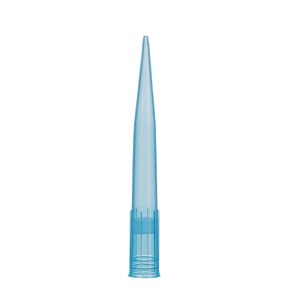
Filtered Pipette Tips choose
Flow Rate Characteristics
Flow rate determines aspiration and dispensing speeds during pipetting operations. Higher flow rates improve workflow efficiency but may compromise filtration effectiveness. You need to balance productivity requirements with protection levels.
Standard flow rates range from 5-15 mL/minute for most laboratory applications. Viscous solutions require lower flow rates to maintain filtration integrity. Fast-paced protocols benefit from optimized flow characteristics that maintain accuracy.
Retention Volume
Retention volume indicates the sample amount remaining in the tip after dispensing. Low-retention designs minimize waste and improve accuracy significantly. This parameter becomes critical for expensive reagents or limited sample volumes.
Hydrophobic materials reduce liquid adhesion effectively. Standard tips retain 0.1-0.5 μL, while low-retention versions retain less than 0.1 μL. Your barrier tip selection should prioritize minimal retention for precision applications.
Small volume applications benefit most from low-retention technology. Reproducibility improves when sample loss decreases consistently. Cost savings accumulate over time with reduced reagent waste.
Pressure Resistance
Pressure resistance defines maximum operating pressures before filter failure occurs. Rapid pipetting generates higher system pressures that filters must withstand. Viscous solutions create additional pressure challenges during aspiration.
Standard filters handle pressures up to 15 psi safely. High-performance options withstand pressures exceeding 25 psi. Your application requirements determine necessary pressure resistance levels.
Filter tip comparison should include pressure specifications for demanding protocols. Failure under pressure compromises sample integrity and workflow continuity.
Temperature Stability
Temperature stability parameters specify operational ranges and thermal cycling capabilities. Applications involving heated samples require filters that maintain integrity at elevated temperatures. Cold storage conditions demand materials that remain flexible and effective.
Standard operating ranges span -20°C to +80°C for most laboratory conditions. Thermal cycling protocols require filters that withstand repeated temperature changes. Specialized applications may need extended temperature ranges.
Material degradation occurs outside specified temperature limits. Your selection process must account for all temperature exposures during protocols. Proper temperature matching ensures consistent filtration performance throughout your procedures.
Quality Indicators
Establishing robust quality assessment frameworks enables laboratories to select filtered tips that meet stringent performance requirements. We provide comprehensive evaluation criteria that ensure your filtered pipette tips deliver consistent results across demanding applications. These quality specifications serve as essential benchmarks for regulatory compliance and operational excellence.
Professional laboratories require reliable quality indicators to validate supplier capabilities and product consistency. You can use these assessment tools to make informed purchasing decisions that protect your research integrity and meet regulatory obligations.
ISO Certifications
ISO certifications provide standardized quality benchmarks that validate manufacturing processes and product reliability. ISO 9001 certification indicates comprehensive quality management systems that ensure consistent production standards and continuous improvement practices.
ISO 13485 certification specifically addresses medical device manufacturing requirements. This certification ensures that filtered tips meet stringent quality controls necessary for clinical and diagnostic applications.
ISO 14001 environmental management certification demonstrates sustainable manufacturing practices. These environmental controls directly impact product consistency and contamination prevention throughout the production process.
Manufacture Standards
Manufacturing standards encompass cleanroom production environments that prevent contamination during tip fabrication. Class 100,000 cleanrooms provide the minimum environmental controls necessary for reliable filtered tip production.
Automated quality control systems monitor critical production parameters in real-time. These systems detect deviations immediately and prevent defective products from reaching your laboratory.
Validated sterilization processes ensure contamination-free delivery of filtered tips. Pipette tip standards require gamma irradiation or ethylene oxide sterilization with documented validation protocols that confirm sterility assurance levels.
Testing Protocols
Particle retention efficiency testing validates filter performance across specified pore sizes. These protocols measure the filter’s ability to block contaminants while maintaining adequate flow rates for pipetting operations.
Flow rate validation ensures consistent liquid handling performance. Testing protocols measure pressure drop across filters and verify that flow characteristics meet your application requirements.
Sterility confirmation testing validates sterilization effectiveness using biological indicators. Chemical compatibility assessments identify potential interactions between filtered tips and your specific reagents or samples.
Batch Documentation
Batch documentation provides complete traceability through lot-specific certificates of analysis. These documents include quality specifications verification, sterilization records, and material certifications that enable regulatory compliance.
Quality control test results document performance verification for each production batch. You receive detailed reports showing particle retention efficiency, flow rate measurements, and sterility test results.
Material certifications confirm raw material specifications and supplier qualifications. This documentation supports your quality assurance programs and provides evidence for regulatory audits and compliance verification.
Common Selection Mistakes
Understanding common pitfalls in tip selection prevents costly mistakes that impact laboratory operations and research outcomes. We identify frequent selection errors that compromise efficiency and result quality. These mistakes often stem from inadequate evaluation processes or misunderstanding application requirements.
Systematic evaluation helps you avoid these costly pitfalls. Laboratory best practices require careful consideration of multiple factors before making selection decisions. You can implement proven strategies to balance performance requirements with cost considerations.
Over-Specifying Requirements
Many laboratories select high-end barrier tips when basic filter protection adequately meets their needs. This leads to unnecessary expenses without providing additional benefits. Routine buffer preparation typically requires standard filtered tips rather than premium options.
Over-specification occurs when you choose maximum protection for low-risk applications. Standard filtered tips provide sufficient protection at lower cost for many routine procedures. You should match tip specifications to actual application risks rather than selecting the highest available protection level.
Cost analysis reveals significant savings when you right-size your tip selection criteria. Basic filtered tips often deliver adequate performance for general laboratory work. Reserve premium options for applications that truly require enhanced protection.
Ignoring Compatibility Issues
Poor tip-to-pipette sealing results from mixing brands without proper fit validation. This creates inconsistent volumes and potential tip retention problems. Compatibility testing prevents accuracy issues and workflow disruptions.
Tip retention problems affect both accuracy and efficiency in laboratory operations. You must validate fit before implementing new tip brands in your workflow. Proper sealing ensures consistent performance and prevents sample contamination.
Brand mixing requires systematic evaluation of fit characteristics. Different manufacturers use varying tolerances that affect sealing performance. You should test compatibility thoroughly before making purchasing decisions.
Filter Type Mismatches
Selecting inappropriate pore sizes or membrane materials compromises application performance. High-flow filters may not provide adequate particle retention for critical applications. Chemical compatibility becomes crucial when working with specialized solvents.
Filter material selection requires understanding of sample characteristics and application requirements. You must match membrane properties to specific laboratory conditions. Wrong material choices can lead to filter degradation or inadequate protection.
Pore size selection directly impacts both protection level and flow characteristics. Smaller pores provide better retention but may restrict flow rates. You need to balance protection requirements with operational efficiency.
Storage Considerations
Improper environmental conditions compromise tip performance before use. Contamination during handling affects sterility and accuracy. Sterile packaging integrity must be maintained throughout storage periods.
Temperature and humidity fluctuations can degrade filter materials over time. You should store tips in controlled environments to preserve performance characteristics. Proper storage extends shelf life and maintains quality standards.
Important considerations include avoiding autoclaving sterile tips, as this introduces contaminants and compromises sterility. Autoclaved tips are not free from RNase and DNase contamination. You must follow manufacturer storage guidelines to maintain tip integrity and performance.
Decision Framework
A systematic decision framework helps laboratories choose filtered tips that meet both performance requirements and budget limitations. This structured approach eliminates guesswork and ensures optimal selection based on scientific methodology and economic analysis.
We recommend following a four-step evaluation process that addresses your specific laboratory needs. This methodology considers technical specifications, risk factors, and financial constraints to guide your selection process effectively.
Application Assessment
Begin your selection process by categorizing laboratory procedures according to contamination sensitivity levels. High-sensitivity applications include PCR amplification, cell culture work, and molecular diagnostics where even minimal contamination can invalidate results.
Medium-sensitivity procedures encompass routine analytical testing and sample preparation where contamination affects accuracy but doesn’t completely compromise results. Low-sensitivity applications involve basic liquid handling tasks where contamination risks are minimal.
Document sample values and regulatory requirements for each application category. This assessment forms the foundation of your pipette tip decision tree and determines appropriate protection levels for different use cases.
Risk Analysis
Evaluate potential consequences of cross-contamination across all laboratory operations. Result invalidation represents the most significant risk, potentially requiring complete experimental repetition and sample reprocessing.
Consider equipment damage risks from aerosol contamination reaching pipette mechanisms. Internal contamination can cause calibration drift, mechanical failures, and costly repair requirements that exceed tip cost differences.
Safety hazards must be assessed when handling infectious materials, toxic compounds, or radioactive substances. Weight these risk factors against prevention costs to establish your contamination prevention strategy.
| Risk Category | Potential Impact | Prevention Cost | Recommended Action |
|---|---|---|---|
| Sample Loss | High – Irreplaceable specimens | Low – Minimal tip cost increase | Always use filtered tips |
| Result Invalidation | Medium – Repeat analysis required | Low – Cost justified by time savings | Use filtered tips for critical work |
| Equipment Damage | High – Expensive repairs needed | Low – Preventive measure | Implement filtered tip protocol |
| Safety Concerns | Critical – Personnel exposure risk | Minimal – Essential protection | Mandatory filtered tip use |
Performance Requirements
Define minimum acceptable specifications for accuracy and precision based on your quality standards. Performance requirements should align with analytical method validation criteria and regulatory compliance needs.
Establish flow rate specifications that maintain pipetting efficiency without compromising barrier effectiveness. Consider your typical pipetting speeds and volume ranges when evaluating different filter technologies.
Determine barrier effectiveness criteria based on particle size exclusion needs and aerosol protection requirements. These specifications guide filter pore size selection and material choice for optimal contamination prevention.
Budget Constraints
Conduct total cost of ownership analysis that extends beyond initial tip purchase prices. Contamination-related losses often exceed the cost difference between filtered and standard tips by significant margins.
Calculate potential costs from sample replacement, reagent waste, labor time for rework, and equipment maintenance. Include productivity impacts from experimental delays and result validation requirements in your economic analysis.
Consider long-term equipment protection benefits when evaluating budget constraints. Filtered tips provide insurance against costly pipette repairs and calibration issues that can disrupt laboratory operations for extended periods.
Balance immediate cost concerns with risk mitigation benefits to optimize value delivery. This comprehensive approach ensures your selection decisions align with both technical requirements and financial objectives while maintaining appropriate risk management across all laboratory operations.
Implementation Guidelines
Successful filtered pipette tip adoption requires systematic implementation across your laboratory operations. We recommend establishing comprehensive protocols that address validation, training, transition planning, and ongoing performance monitoring to ensure optimal results.
Validation Protocols
Develop systematic testing procedures to verify tip performance meets your application requirements. This includes accuracy testing, contamination prevention validation, and compatibility confirmation with existing equipment. Document all validation results to support laboratory best practices and regulatory compliance.
Training Requirements
Implement comprehensive training programs covering proper handling techniques, storage protocols, and selection criteria application. Personnel must understand quality specifications for different filter types and troubleshooting procedures to ensure consistent performance across all laboratory operations.
Transition Planning
Execute phased implementation strategies that minimize operational disruption. Consider inventory management, supplier qualification processes, and change management procedures. Integrate filtered tips with existing workflows, including precision dispensing protocols for larger volume applications.
Performance Monitoring
Establish ongoing assessment protocols including regular accuracy checks, contamination incident tracking, and cost analysis reviews. Collect user feedback to optimize tip selection and usage practices over time. Monitor performance metrics to validate implementation success and identify areas for continuous improvement.
References and further readings:
1.Smith RJ, Carter A, Huang L. Evaluation of filter pipette tips in reducing cross-contamination during PCR assays. Anal Biochem. 2019;567:45-52.
https://www.sciencedirect.com/science/article/abs/pii/S0003269718307619?via%3Dihub2.Patel K, Nguyen H, Romero J. Comparison of filtered versus non-filtered pipette tips for sensitive nucleic acid applications. Biotechniques. 2021;71(3):154-161.
https://www.tandfonline.com/doi/full/10.2144/btn-2020-01563.Lee M, Fernandes T, Jones P. Aerosol barrier tips in diagnostic laboratories: Effectiveness and limitations. J Mol Diagn. 2021;23(5):623-631.
https://www.jmdjournal.org/article/S1525-1578(21)00069-6/fulltext
FAQ
What are the main differences between filtered and non-filtered pipette tips?
Filtered pipette tips contain barrier membranes that prevent aerosol contamination and cross-contamination between samples, while non-filtered tips lack this protection. Filtered tips serve as the first line of defense against contamination in sensitive applications like PCR, cell culture, and microbiological testing. The filter barrier functionality maintains sample integrity and prevents pipette contamination, though filtered tips typically cost more and may have slightly reduced flow rates compared to standard tips.
Which filter membrane types should I choose for my laboratory applications?
Filter tip selection depends on your specific requirements. Polyethylene filters offer cost-effective protection for general applications with moderate flow rates. UHMW-PE technology provides enhanced chemical resistance for aggressive solvents and demanding conditions. Sintered filters deliver uniform pore structure and excellent particle retention with consistent performance across temperature variations. Membrane-based filters utilize advanced polymer technologies for precise pore size control and optimal flow characteristics while maintaining superior barrier properties.
When are filtered tips mandatory versus optional in laboratory work?
Filtered tips are mandatory for PCR amplification, qPCR analysis, cell culture work, microbiological testing, and procedures involving infectious agents or hazardous materials. We recommend filtered tips for protein analysis, enzyme assays, pharmaceutical testing, clinical diagnostics, and research with valuable samples. Optional applications include routine buffer preparation, general reagent handling, and educational exercises where contamination risks are minimal and cost considerations may favor non-filtered alternatives.
How do I determine the correct filter pore size for my applications?
Filter pore size selection depends on your particle retention requirements. Typical options range from 0.1 to 10 micrometers, where smaller pores provide superior barrier protection but may reduce flow rates. For molecular biology applications requiring maximum contamination prevention, choose 0.1-0.2 micrometer pores. For general laboratory work, 0.45-1.0 micrometer pores offer balanced protection and flow rates. Consider your performance requirements and balance filtration effectiveness against workflow efficiency needs.
What pipette tip compatibility factors should I consider?
Tip compatibility guide factors include tip hub design, seal integrity, and ejection mechanisms to ensure proper fit across your instrument inventory. Verify that tips create proper seals with your pipette models to maintain accuracy and prevent leakage. Check ejection force requirements to avoid tip retention problems. Consider barrier tip selection based on your pipette brands, as different manufacturers may have varying hub specifications that affect performance and reliability.
How do flow rate characteristics affect my laboratory workflow?
Flow rate characteristics determine aspiration and dispensing speeds, directly impacting workflow efficiency. Higher flow rates improve productivity but may compromise filtration effectiveness, requiring balance between speed and protection levels. Consider your application’s time sensitivity and contamination risk tolerance. For high-throughput applications, select tips with optimized flow rates that maintain adequate barrier protection while supporting efficient pipetting operations.
What quality specifications should I look for in filtered tips?
Look for ISO certifications including ISO 9001 for quality management, ISO 13485 for medical device manufacturing, and ISO 14001 for environmental management. Verify manufacturing standards including cleanroom production, automated quality control, and validated sterilization processes. Review testing protocols for particle retention efficiency, flow rate validation, sterility confirmation, and chemical compatibility. Ensure batch documentation provides traceability through certificates of analysis and quality control test results.
What are the most common mistakes in choosing filter tips?
Common pipette tip selection mistakes include over-specifying requirements for basic applications, leading to unnecessary expenses. Ignoring compatibility issues results in poor sealing and inconsistent volumes. Filter type mismatches occur when selecting inappropriate pore sizes or materials for specific applications. Poor storage considerations compromise tip performance through improper environmental conditions or contamination during handling. Avoid these errors by systematically evaluating your actual needs against available options.
How should I assess contamination risk for my applications?
Conduct risk analysis by evaluating potential consequences of cross-contamination, including result invalidation, sample loss, equipment damage, and safety hazards. Weight these factors against prevention costs to determine optimal protection strategies. Consider sample value, regulatory requirements, and contamination sensitivity levels. Application assessment should categorize procedures by risk level to establish appropriate protection standards for each use case while maintaining cost-effectiveness.
What validation protocols should I implement for new filtered tips?
Establish systematic validation protocols including accuracy testing across your volume ranges, contamination prevention validation using appropriate test methods, and compatibility confirmation with existing equipment. Implement performance monitoring through regular accuracy checks, contamination incident tracking, and cost analysis reviews. Document validation results and establish acceptance criteria based on your laboratory best practices and quality standards to ensure consistent performance across all applications.
How do I balance cost considerations with performance requirements?
Conduct total cost of ownership analysis including initial tip costs, potential contamination-related losses, productivity impacts, and long-term equipment protection benefits. Consider cost-benefit scenarios by evaluating reagent costs, time investment, result reliability requirements, and consequences of contamination events. Balance budget constraints against risk management needs, selecting appropriate protection levels for each application category while optimizing overall value delivery across your laboratory operations.
What training requirements should I establish for filtered tip usage?
Implement comprehensive training requirements covering proper handling techniques, storage protocols, pipette tip decision tree application, and troubleshooting procedures. Ensure all laboratory personnel understand tip selection criteria, contamination prevention principles, and quality specifications. Provide ongoing education on laboratory tip selection best practices, new product features, and performance optimization techniques to maintain consistent results and minimize user-related errors across your team.
Leo Bios
Hello, I’m Leo Bios. As an assistant lecturer, I teach cellular and
molecular biology to undergraduates at a regional US Midwest university. I started as a research tech in
a biotech startup over a decade ago, working on molecular diagnostic tools. This practical experience
fuels my teaching and writing, keeping me engaged in biology’s evolution.





Leave a Comment
Your email address will not be published. Required fields are marked *