



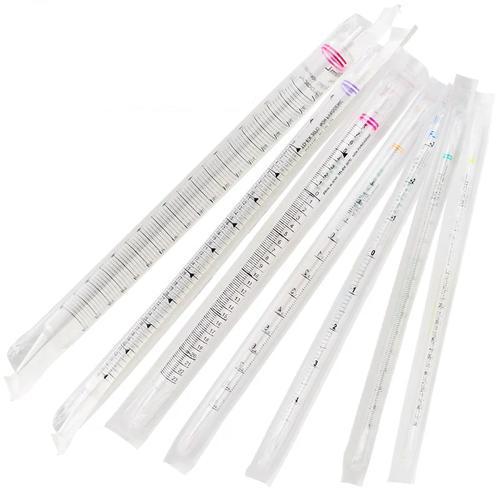
Ever wondered how scientists get so precise in molecular biology? It’s all thanks to gel loading pipette tips. These tools are key for handling tiny samples with great care.
Gel loading pipette tips are vital in labs. They help scientists manage samples with high precision. With 17 types available, they meet the needs of complex experiments.
These tips are used in many lab tasks, like studying proteins and DNA. They come in various sizes, like 10 µL, 20 µL, and 200 µL. This makes them perfect for different kinds of research.
Key Takeaways
- Gel loading pipette tips are essential for precise molecular biology research
- Available in multiple volume and thickness configurations
- Designed for universal compatibility with most pipettor brands
- Critical for maintaining sample integrity and reducing contamination
- Support advanced research techniques across various scientific disciplines
Importance of Gel Loading Pipette Tips in Laboratories
Gel loading pipette tips are key in today’s labs, especially for working with nucleic acids. They help scientists get precise and reliable results in molecular biology and biochemistry.
Lab experts use these tips for precise work. Their features are crucial for avoiding mistakes and keeping samples clean.
Enhancing Accuracy in Gel Loading
Getting gel loading right needs special techniques and top-notch pipette tips. Choosing the right tip can make a big difference:
- Less sample loss during transfer
- Consistent volume every time
- Lower risk of contamination
- Sample stays intact
Ensuring Consistent Sample Volumes
Keeping sample volumes the same is vital in science. Modern gel loading tips offer precise volumes, from 1-200 µL. This helps scientists get accurate results every time.
Reducing Sample Contamination
Pipette tip filters are a big help in avoiding contamination. Certified RNase-free, DNase-free, and human DNA-free tips keep samples pure. This is key for good research in molecular biology.
Precision in sample handling can dramatically improve experimental reproducibility and research quality.
Types of Gel Loading Pipette Tips
Researchers in molecular biology labs use special gel loading pipette tips for precise handling. These PCR accessories come in various designs to fit different needs.
There’s a wide range of gel pipetting tools for scientists to choose from. Knowing the different types can greatly improve the accuracy and reliability of experiments.
Standard Tips
Standard gel loading tips are the basic choice for labs. They have several important features:
- Universal compatibility with most pipette brands
- Volume range typically between 0.1-10 µL
- Standard length of 45.72 mm
- Suitable for general molecular biology applications
Filtered Tips
Filtered gel loading pipette tips add an extra layer of protection against contamination. They have:
- Built-in hydrophobic filters
- Prevention of aerosol and liquid cross-contamination
- Available in 10 µL and 100 µL volumes
- Ideal for sensitive PCR accessories and molecular techniques
Low-Retention Tips
Low-retention gel loading tips are an advanced option for precise sample management:
- Special surface treatment minimizes sample adhesion
- Improved recovery of precious or viscous samples
- Reduced sample loss during pipetting
- Optimal for protein and DNA fragment analysis
| Tip Type | Volume Range | Key Features |
|---|---|---|
| Standard Tips | 0.1-10 µL | Universal compatibility |
| Filtered Tips | 10-100 µL | Contamination prevention |
| Low-Retention Tips | 0.5-20 µL | Minimal sample adhesion |
Key Features of Quality Gel Loading Pipette Tips
Choosing the right gel loading pipette tips is key for precise lab work. These specialized plastics are vital for accurate sample handling and consistent results.
Quality gel loading pipette tips stand out due to several important features. These features greatly impact their performance in scientific research.
Volume Capacity and Precision
The volume capacity of gel loading pipette tips is crucial for accurate results. Researchers need tips with precise volume measurements for reproducible outcomes. Typical features include:
- Working volume range up to 200 µl
- 5 µl graduation marks for quick volume verification
- Compatibility with microvolume applications
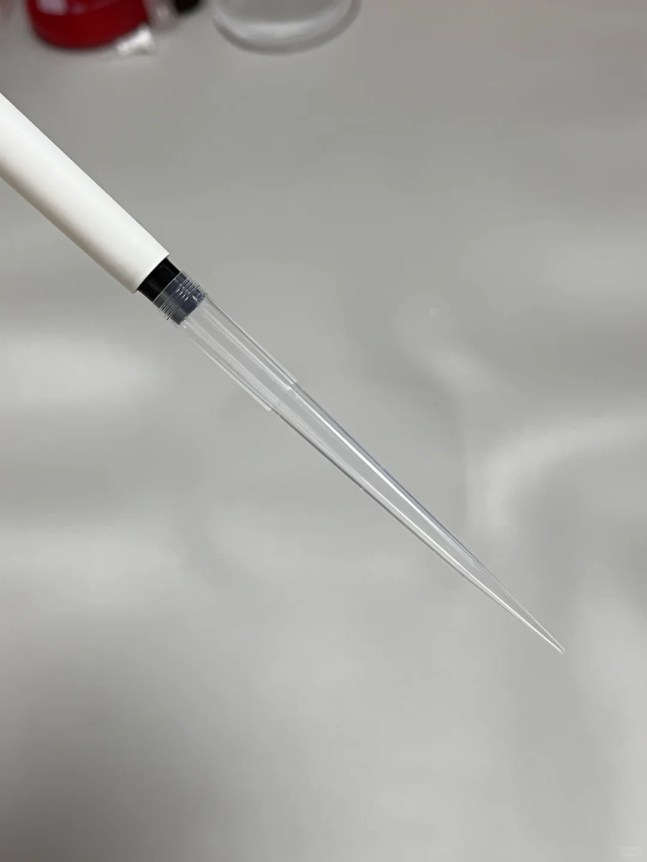
Innovative Tip Design
Advanced tip design boosts sample loading efficiency. Key design elements include:
- Outer diameter of 0.57 mm for narrow gel access
- Total length of 83 mm for reaching vessel bottoms
- Specialized tip geometry for smooth sample dispensing
Universal Pipette Compatibility
High-quality gel loading pipette tips must fit all pipette models. Key compatibility features include:
| Compatibility Factor | Specification |
|---|---|
| Material | Polypropylene (PP) |
| Sterilization | RNase/DNase-free |
| Temperature Resistance | Up to 121°C |
By focusing on these essential features, researchers can find gel loading pipette tips. These tips offer consistent performance and reliable results in molecular biology and biochemistry.
Best Practices for Using Gel Loading Pipette Tips
Laboratory experts need to be precise when using gel loading pipette tips. These tips are key for accurate sample transfer and avoiding mistakes.
To get the most out of gel loading pipette tips, follow these important practices:
Proper Tip Attachment Techniques
- Check gel loading pipette tips for damage before use
- Press the tip onto the pipette shaft gently until it fits well
- Make sure the tip is straight and matches the pipette body
- Don’t touch the tip’s sterile surface to avoid contamination
Avoiding Air Bubbles
Air bubbles can ruin sample quality during gel loading. Here’s how to avoid them:
- Pre-rinse the gel loading pipette tip with the sample liquid
- Dispense at an angle to lessen bubble formation
- Use slow, controlled pipetting
- Check the tip for air pockets
Sample Handling Tips
Good sample management is vital with gel loading micropipette tips. Extended length pipette tips help reach vessel bottoms safely. Experts should:
- Use low retention tips for thick or expensive samples
- Choose tip volumes that fit your experiment needs
- Keep your pipetting technique consistent for all samples
- Store tips in clean, dry places to keep them good
Precision in sample handling can greatly improve experimental results and data trustworthiness.
Maintenance of Gel Loading Pipette Tips
Keeping molecular biology supplies in good shape is key for reliable results. Microcentrifuge tube tips need special care to stay effective and avoid contamination.
There are important steps to keep gel loading pipette tips working well. These steps help protect your lab work.
Cleaning Protocols for Precision Instruments
Cleaning pipette tips right is crucial to remove contaminants:
- Rinse tips with the right cleaning solutions
- Use 70% ethanol for cleaning surfaces
- Follow strict washing steps
Sterilization Techniques
Sterilizing molecular biology supplies is vital to stop contamination. Here are some good methods:
- Use an autoclave at 121°C for 15 minutes
- Chemical sterilization with special reagents
- UV light for surface cleaning
Storage Best Practices
Storing microcentrifuge tube tips right keeps them safe from the environment:
| Storage Condition | Recommendation |
|---|---|
| Temperature | Room temperature (15-25°C) |
| Humidity | Low humidity environment |
| Protection | Sealed containers away from sunlight |
Lab experts should always follow the maker’s tips for best maintenance and use.
Common Mistakes to Avoid with Gel Loading Pipette Tips
Precision is key in lab work, especially with nucleic acids. Researchers face challenges that can ruin their results. Knowing these mistakes helps keep science accurate.
When using pipette tips, researchers must watch out for errors. These mistakes can mess up their experiments:
Overfilling Pipette Tips
Overfilling tips can cause big problems:
- Sample cross-contamination
- Inaccurate volume measurements
- Potential sample loss
- Compromised experimental precision
Inconsistent Pipetting Techniques
Consistent pipetting is vital for good results. Important tips include:
- Use constant angle and speed during sample transfer
- Calibrate pipettes regularly
- Select appropriate pipette tip filters
- Practice proper pipetting ergonomics
Neglecting Usage Guidelines
Ignoring what the maker says can cause big mistakes. High-quality pipette tips have special rules to follow. Important guidelines are:
- Checking tip compatibility with specific pipette models
- Understanding volume range limitations
- Preventing aerosol contamination
- Maintaining sample integrity during nucleic acid handling
Following these tips will make lab work more precise and cut down on mistakes.
Innovations in Gel Loading Pipette Tip Technology
The world of lab research is always changing. New technologies are making PCR accessories and electrophoresis supplies better. These advancements help scientists work more precisely, efficiently, and sustainably.
New materials are changing how gel loading pipette tips are made. These changes help scientists handle samples better and get better results.
Advancements in Material Science
New breakthroughs have led to better materials for gel loading pipette tips. Some key improvements include:
- Non-wettable polypropylene materials that minimize sample retention
- Ultra-smooth internal surfaces reducing liquid residue
- Enhanced tip designs accommodating various sample volumes
These advancements make electrophoresis supplies work better. They help scientists get more reliable results.
Eco-Friendly Options
Scientists are focusing more on green lab practices. Now, PCR accessories are designed to be eco-friendly. They help reduce waste and protect the environment.
- Recyclable tip materials
- Reduced plastic consumption
- Manufacturing processes with lower carbon footprints
Scientists can now choose gel loading pipette tips that are both effective and green.
The future of lab tech is all about keeping up with innovation. It’s about finding a balance between being precise and being kind to the planet.
Applications of Gel Loading Pipette Tips in Research
Gel loading pipette tips are key in advanced biological research. They give scientists precise tools for important lab work. These tips help in doing complex molecular biology experiments with great accuracy and consistency.
Scientists use gel loading pipette tips in many fields, especially in molecular biology. This is because these tips are needed for precise gel pipetting. Their versatility makes them essential in many research areas.
Molecular Biology Techniques
In molecular biology, gel loading pipette tips are vital for several key steps. Researchers use them for:
- DNA fragment separation
- RNA analysis
- Protein characterization
- Genetic screening
Protein Electrophoresis
Protein electrophoresis needs high precision. Gel loading pipette tips, with their special designs, help researchers:
- Transfer protein samples accurately
- Minimize sample loss
- Ensure consistent well loading
- Reduce cross-contamination risks
DNA Fragment Analysis
DNA fragment analysis requires extreme accuracy. Modern gel loading pipette tips have features that improve research results:
- Precise volume control (1-200 µL range)
- RNase and DNase-free certification
- Minimal sample volume requirements
- Compatible with various gel electrophoresis techniques
With advanced systems like the E1-ClipTip pipette system, researchers can cut sample loading time by up to 80%. This greatly boosts experimental efficiency and lowers the chance of human error.
Selecting the Right Gel Loading Pipette Tips
Choosing the right micropipette tips is key for molecular biology and lab work. Researchers need to think about what their experiments need. This ensures the best results and reliability.
When picking gel loading pipette tips, several important factors need to be considered:
- Experimental volume needs
- Sample type
- Equipment fit
- Keeping samples clean
Assessing Laboratory Needs
Each research project has its own needs for micropipette tips. Scientists should look at their specific methods. Then, they can pick the right tips for their work.
| Tip Type | Recommended Application | Volume Range |
|---|---|---|
| Standard Tips | General Laboratory Work | 0.1-1000 µL |
| Gel Loading Tips | Electrophoresis | 0.1-10 µL |
| Extended Length Tips | Deep Container Sampling | 20-200 µL |
Consulting Manufacturer Specifications
Researchers should look at the maker’s details to make sure the tips fit their lab gear. ISO standard 8655-2 says using tips and pipettes from the same maker is best for good results.
- Check tip material composition
- Verify volume graduations
- Confirm sterility requirements
- Validate contamination prevention features
Choosing the right lab supplies needs careful thought and knowing your experiment well.
Future Trends in Gel Loading Pipette Tips
The world of lab tech is changing fast, with gel loading pipette tips leading the way. New trends show a move towards more specialized and advanced microcentrifuge tube tips. These changes aim to meet the growing needs of molecular biology and pharmaceutical research.
Researchers are seeing big changes in gel loading pipette tips, with customization playing a big role. Top makers are creating tips that fit specific research needs. This lets scientists work more precisely. The market is growing fast, expected to rise by 8.0% from 2022 to 2032.
Customization Options
Today’s gel loading pipette tips offer more flexibility than ever. Labs can pick tips with unique features like ultra-low retention surfaces and precise volume marks. These options help reduce sample loss and improve experiment results in many fields.
Integration with Automated Pipetting Systems
The future of lab tech is about making tips work smoothly with automated systems. Makers are creating smart tips that talk to robots, making high-speed testing easier and cutting down on mistakes. With North America leading the market, these changes will change how we do research in genomics, proteomics, and diagnostics.
FAQ
What are gel loading pipette tips, and why are they important in laboratory work?
Gel loading pipette tips are special tools for moving samples in gel electrophoresis and molecular biology. They help get the right amount of sample, keep it clean, and protect sensitive samples. This is key for research success.
What are the different types of gel loading pipette tips available?
There are three main types: standard, filtered, and low-retention tips. Each has its own use in research. They help with different needs in molecular biology and biochemistry.
How do I choose the right gel loading pipette tips for my research?
Choosing the right tips depends on your research, sample size, and equipment. Look at the tip’s material, size, and how it prevents contamination. Make sure it fits with your lab’s tools.
What are the best practices for using gel loading pipette tips?
Use tips correctly by attaching them well and avoiding air bubbles. Move carefully and consistently. Handle samples gently and follow the maker’s advice for best results.
How should I maintain and store gel loading pipette tips?
Keep tips clean, sterilized, and in a dry, clean place. Store them in sealed bags to protect from dust and light. Always follow the maker’s storage tips.
What common mistakes should I avoid when using gel loading pipette tips?
Don’t overfill tips or use damaged ones. Be consistent and precise in your pipetting. Follow guidelines to ensure reliable results.
Are there eco-friendly options for gel loading pipette tips?
Yes, there are now eco-friendly tips made from recycled or biodegradable materials. They help reduce waste without sacrificing performance in molecular biology.
How do gel loading pipette tips contribute to molecular biology research?
Tips are vital for DNA, protein, and PCR studies. They help handle samples accurately, reduce contamination, and improve research results in genomics and proteomics.




Leave a Comment
Your email address will not be published. Required fields are marked *