



Ever thought about how crucial a simple tool like a pipette is for science? Learning to use a serological pipette can be the key to success or failure in research.
Serological pipettes are essential for scientists. They help move liquids from 1 mL to 50 mL with great precision. These tools are vital in many fields, like molecular biology and chemical analysis.
Getting good at using a serological pipette takes practice and focus. It’s about following the right steps and knowing the basics of lab work. Scientists in many areas count on these tools to keep their experiments reliable and consistent.
Key Takeaways
- Serological pipettes handle liquid volumes from 1 mL to 50 mL
- Proper technique ensures accurate scientific measurements
- Different pipette types serve specific laboratory needs
- Regular maintenance prevents experimental errors
- Understanding pipette handling is crucial for research success
Introduction to Serological Pipettes
Serological pipettes are key tools in labs, used for precise volume measurements. They are crucial in scientific research, medical tests, and experiments. These tools help scientists get accurate results.
Scientists depend on these pipettes for their special features. They support reliable pipetting techniques. The design lets researchers handle liquids with great precision.
Understanding Pipette Fundamentals
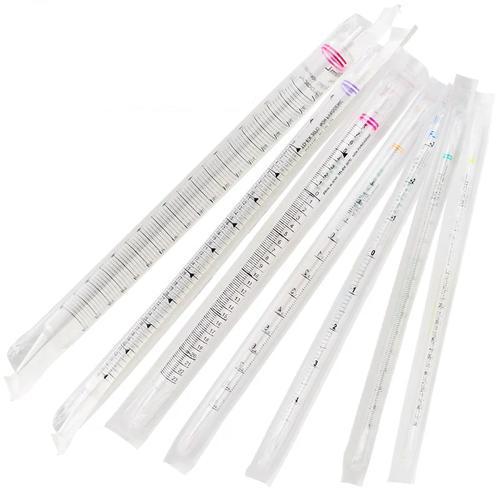
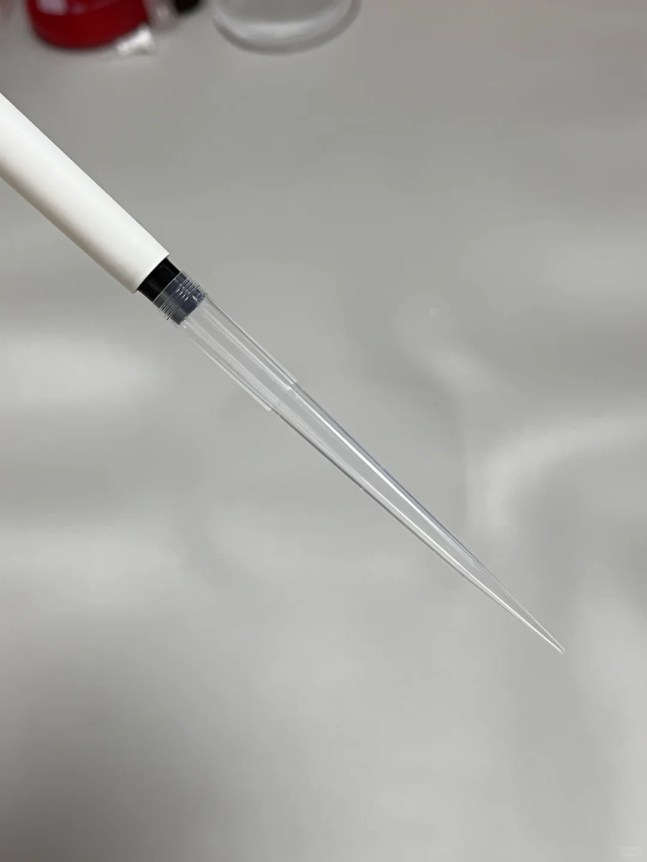
Serological pipettes have a long, graduated tube with volume markings. This makes it easy to measure volumes accurately. They are made of polystyrene plastic and are pre-sterilized.
- Calibrated in milliliters (ml)
- Available in standard sizes from 1 ml to 50 ml
- Constructed from polystyrene plastic
- Pre-sterilized using gamma irradiation
Critical Laboratory Applications
These pipettes are vital for many scientific fields. They support important pipetting techniques in:
- Cell culture research
- Biological experiments
- Chemical analysis
- Medical diagnostics
Researchers pick serological pipettes for their low contamination risk. Their design, with fiber filters and special tips, ensures reliable results.
Types of Serological Pipettes Available
Serological pipettes are key in biological research and clinical labs. They help scientists move liquids with great accuracy. Knowing the types of pipettes is crucial for picking the right one for each experiment.
- Glass Pipettes: Reusable and can be sterilized
- Plastic Pipettes: Sterile and thrown away after use
Comparing Glass and Plastic Serological Pipettes
Glass pipettes last long and can be sterilized many times. This makes them a good value for long-term use. Plastic pipettes are easy to use and cut down on cleaning and contamination risks.
Common Pipette Sizes and Applications
Serological pipettes come in various sizes for different needs:
- 1 mL pipettes for precise, small-volume transfers
- 5 mL and 10 mL pipettes for common lab tasks
- 25 mL and 50 mL pipettes for bigger experiments
Researchers pick pipettes based on their volume needs. Most can handle from 0.1 mL to 50 mL. The choice depends on the experiment’s needs and the volume of liquid involved.
Preparing to Use a Serological Pipette
Starting your lab work right is key. With serological pipettes, a tidy workspace and the right tools are vital. They help with handling liquids and getting good results.
Using a serological pipette well needs careful planning. Make sure you have everything you need before starting your work.
Essential Materials for Pipetting
- Serological pipettes in the right sizes
- Pipette controller or pipet-aid
- Personal protective equipment (PPE)
- Sterile containers or test tubes
- Waste disposal container
Creating a Clean Workspace
Keeping your area clean is crucial. A dirty space can ruin your results. So, making your workspace clean is very important.
- Clean the work surface with 70% alcohol solution
- Arrange materials neatly
- Make sure there’s good light and air
- Get rid of things you don’t need
Lab pros know serological pipettes measure from 0.1 ml to 25 ml. Being well-prepared helps avoid mistakes and keeps your work reliable.
A clean workspace is the base of good science.
By getting ready properly, scientists can use their tools better. This makes their work more accurate and reliable.
Techniques for Proper Handling
Mastering precision pipetting is key for lab success. Handling serological pipettes right ensures accurate liquid transfer and keeps samples clean. Scientists need specific skills to protect their samples.
Getting a steady grip takes practice and knowing how to hold things right. Here are some tips for better pipetting:
- Hold the pipette vertically for accurate volume
- Keep a relaxed but firm grip to avoid hand fatigue
- Stand comfortably and take breaks during long pipetting
- Have your tools close by
Maintaining Control During Liquid Transfer
Precision pipetting needs a careful method. Focus on smooth, controlled movements when handling liquids. Using electronic pipettes can also help by reducing mistakes.
Preventing Sample Contamination
Keeping samples clean is vital in labs. Here are some ways to do it:
- Use the right or recommended pipette tips
- Prerinsing tips helps with volume consistency
- Clean pipettes often with the right solutions
- Avoid touching the tip to container walls
By following these tips, researchers can make their results more reliable and consistent.
Steps to Use a Serological Pipette
Learning how to use a serological pipette is key for accurate volume measurement in labs. It’s all about careful technique and detail. Scientists count on these tools for reliable and reproducible results.
- Pick the right pipette size for your needs
- Check the pipette for damage or contamination
- Make sure your workspace is clean and tidy
Drawing Liquid into the Pipette
To draw liquid well, follow a step-by-step method:
- Hold the pipette vertically at a slight angle
- Draw a small amount of liquid to remove air bubbles
- Adjust the liquid level just above the volume mark
“Precision in liquid handling begins with careful technique and consistent practice.”
Releasing Liquid Accurately
Dispensing liquid needs the same level of precision. Here’s how to do it right:
- Control the dispensing speed to avoid splashing
- Let the liquid drain fully from the pipette tip
- Keep your hand steady for accurate transfer
Serological pipettes can measure from 1 mL to 50 mL. They’re useful in many lab settings. By following these tips, researchers can boost their pipetting skills and improve their results.
Tips for Accurate Measurements
Precision pipetting is key in lab research. It can greatly affect the outcome of experiments. Getting accurate measurements is essential for reliable scientific work, especially in biology and chemistry.
To get precise measurements, focus on two main things. First, understand how to read the meniscus. Second, avoid air bubbles during pipette calibration.
Reading the Liquid Meniscus Correctly
When using serological pipettes, it’s vital to read the meniscus right. The meniscus is the curved top of a liquid in a narrow tube. Here’s how to do it:
- Look at the liquid surface from the same level as it is
- Find the bottom of the liquid’s curve
- Match the liquid’s lowest point with the calibration mark
Preventing and Removing Air Bubbles
Air bubbles can mess up your pipetting by changing volume measurements. To avoid them:
- Tap the pipette gently to get rid of air
- Move slowly and smoothly when taking liquid
- Make sure the pipette tip is fully in the liquid
Experts say to check your pipette’s accuracy at both ends. Aim for measurements within ±1% of what you’re aiming for. Calibrate your pipettes every three months if you use them a lot. This keeps your results consistent and reliable.
Maintenance of Serological Pipettes
Keeping laboratory equipment in top shape is key for accurate research. Serological pipettes need special care to stay precise and last longer.
Lab pros must follow key steps for pipette upkeep. Regular cleaning and checks stop mistakes and keep labs clean.
Cleaning Protocols for Precision
Cleaning serological pipettes needs focus. Here are steps to keep them working well:
- Use the right cleaning solutions for each pipette type
- Rinse with distilled water after each use
- Dry them completely before storing to avoid damage
- Stay away from strong chemicals that can harm them
Comprehensive Damage Inspection
Regular checks spot problems early. Look for:
- Cracks or damage
- Worn seals or O-rings
- Uneven liquid flow
- Corrosion or wear
Keeping serological pipettes in good shape is essential. 90% of lab errors come from bad pipette use. Good maintenance cuts down on mistakes.
| Maintenance Activity | Frequency | Expected Outcome |
|---|---|---|
| Cleaning | After each use | Prevent cross-contamination |
| Calibration Check | Every 6 months | Ensure measurement accuracy |
| Comprehensive Inspection | Quarterly | Identify potential equipment issues |
By focusing on pipette care, lab experts make their research more reliable. This protects their hard work and saves time and money.
Best Practices for Disposal
Proper disposal of serological pipettes is key in managing lab equipment. Labs must follow strict rules to keep everyone safe, avoid contamination, and protect the environment.
Knowing how to dispose of lab tools like serological pipettes is crucial. Different pipettes need different disposal methods.
Segregation of Pipette Waste
- Keep non-contaminated pipettes separate from those that have come into contact with biological materials.
- Use separate containers for each type of pipette.
- Make sure to label waste containers clearly to avoid mixing things up.
Non-Contaminated Pipette Disposal
Here’s how to use serological pipettes responsibly:
- Put non-contaminated pipettes in a trash bag-lined container.
- Label the container as “waste pipettes only – NO biohazardous waste”.
- Take the box straight to the dumpster.
Biologically Contaminated Pipette Disposal
Biohazardous waste needs special care:
- Use pipette washers or 5-gallon buckets with biohazard bags for contaminated pipettes.
- Soak the tips in disinfectant right away.
- Autoclave the treated waste and put it in designated containers.
- For specific guidance, contact the Biosafety Officer.
Safety and precision are paramount when disposing of laboratory equipment.
Remember, disposable pipettes are meant for one-time use. Reusing them can ruin your experiment and pose serious contamination risks.
Safety Precautions in the Laboratory
Laboratory safety is key in scientific research, especially with serological pipettes and special equipment. It’s vital to protect researchers and keep experiments safe. This means following strict safety rules and being very careful.
Setting up strong safety measures is crucial. Researchers must focus on their safety and know the dangers of different biological materials.
Personal Protective Equipment (PPE)
Wearing the right personal protective equipment is crucial for safe pipetting. Researchers should always wear:
- Disposable laboratory gloves
- Safety goggles or face shields
- Long-sleeved laboratory coats
- Closed-toe protective footwear
Handling Hazardous Materials
Working with dangerous substances requires strict rules. The US Department of Health and Human Services has specific rules for handling high-risk pathogens in labs.
Important safety steps for handling hazardous materials include:
- Identifying potential biological risks
- Using appropriate containment methods
- Implementing proper waste disposal techniques
- Maintaining comprehensive documentation
Waste materials must be submerged in a 5% disinfectant solution for at least 10 minutes to ensure complete decontamination. Regular training and sticking to safety rules are essential for a safe lab.
Common Mistakes to Avoid
Laboratory workers often face challenges when they need to measure volumes precisely. Knowing and avoiding common pipetting mistakes can greatly improve the accuracy and reliability of research.
Researchers must watch out for mistakes that can ruin their results. Handling pipettes wrong can cut accuracy by half. So, it’s key to focus on precise pipetting techniques.
Misreading Measurements
Measuring volumes accurately needs a lot of attention to detail. Some common mistakes include:
- Reading the meniscus wrong because of eye-level issues
- Seeing parallax errors when looking at measurement scales
- Not considering the effect of liquid surface tension
“Accuracy in pipetting is not about speed, but precision” – Laboratory Research Principles
Cross-Contamination Prevention
Cross-contamination is a big risk in labs. To lower this risk, researchers should:
- Change pipette tips often
- Use proper pre-rinsing methods
- Handle samples carefully between different liquids
Pro tip: Always aspirate and dispense liquid samples at least three times before critical measurements to ensure consistent volume transfer.
By using these methods, lab workers can cut down on pipetting errors. This helps keep scientific accuracy at its highest level.
Conclusion
Precision pipetting is key in biological research, needing constant practice and focus. Knowing how to use serological pipettes well boosts experiment accuracy and reliability. Lab workers must use these tools with care and a systematic approach.
Success with serological pipettes comes from knowing both the technical steps and common mistakes. Choosing the right pipette size and handling it correctly can greatly reduce errors. Precision pipetting is more than just moving liquids; it’s a core scientific method for reliable research.
Keeping pipetting skills sharp is crucial in today’s labs. Scientists should always be learning, keeping up with new tech, and following strict handling and calibration rules. By doing this, they ensure their data is top-notch and help advance science.
Learning to use serological pipettes well is more than a skill; it’s a dedication to scientific quality. Every precise measurement helps build the foundation of research, showing the value of precision and hard work in science.
FAQ
What is a serological pipette?
A serological pipette is a tool for precise liquid handling in labs. It’s used in biological research. It has graduated markings for flexible volume measurements and holds 1 to 50 milliliters.
What are the main differences between glass and plastic serological pipettes?
Glass pipettes are reusable and accurate for specific tasks. They’re more resistant to chemicals. Plastic pipettes are disposable and reduce contamination risks. They’re better for single-use needs.
How do I prevent air bubbles when using a serological pipette?
To avoid air bubbles, tilt the pipette slightly when drawing liquid. Move slowly and smoothly. Make sure the tip is fully in the liquid.
After drawing, tap the pipette gently. This helps air bubbles rise. Then, expel them before dispensing.
How often should serological pipettes be calibrated?
Lab professionals suggest calibrating pipettes annually or semi-annually. This depends on use and manufacturer advice. Regular calibration keeps your measurements accurate.
What personal protective equipment (PPE) is necessary when using serological pipettes?
Wear lab coats, gloves, safety glasses, and closed-toe shoes. The right PPE varies with the materials you handle. More protection is needed for hazardous or infectious substances.
How should I clean and maintain my serological pipettes?
Use lab-grade cleaning solutions for your pipettes. Rinse with distilled water, air dry, and store in a clean area. Check for damage and follow the manufacturer’s maintenance advice.
What are common mistakes to avoid when using serological pipettes?
Avoid wrong pipette choice, bad angle, not rinsing, misreading the meniscus, air bubbles, and contamination. Training and careful technique help avoid these mistakes.
How do I correctly read the meniscus when measuring liquid?
Position your eye level with the pipette’s marks. Look at the liquid’s bottom curve. Align the lowest point with the mark for accurate measurement.
What are the best practices for disposing of used serological pipettes?
Follow your lab’s disposal rules. Separate contaminated and non-contaminated pipettes. Use biohazard containers for infectious materials. Follow decontamination steps before disposal.
Can serological pipettes be used for all types of liquids?
While versatile, serological pipettes aren’t for all liquids. Check the liquid’s chemical compatibility, viscosity, and reactivity. Specialized pipettes might be needed for certain materials.




Leave a Comment
Your email address will not be published. Required fields are marked *