



Ever thought about how scientists keep their research samples safe and organized? Culture tube racks play a key role in labs, making sure samples are handled carefully.
Culture tube racks are vital lab tools that help scientists manage their work better. They offer a way to keep many samples in order, protecting them from damage or mix-ups.
In labs, keeping everything tidy is crucial. Culture tube racks help by providing a place for all sorts of tubes. This makes it easier for scientists to work efficiently and keep their samples safe.
Key Takeaways
- Culture tube racks are critical for maintaining sample organization
- Proper storage prevents contamination and ensures research reliability
- Versatile design accommodates different tube sizes and laboratory needs
- Enhanced organization leads to improved research workflow
- Standardized storage solutions support scientific precision
Understanding Culture Tube Racks
Culture tube racks are key tools in today’s labs. They help keep samples organized and safe. These racks are crucial for many scientific fields.
Labs use these racks to make research smoother and protect samples. They let scientists handle many samples at once.
Importance in Laboratory Settings
Culture tube racks do more than just hold tubes. They have many important roles:
- They organize many test tubes at once.
- They keep samples from getting contaminated.
- They make it easy to find and access samples.
- They support different sizes and types of tubes.
Types of Culture Tube Racks
There are many types of racks for different lab needs. Researchers can pick from:
- Wire Racks: They are light and strong.
- Polypropylene Racks: They resist chemicals and can be sterilized.
- Stackable Racks: They save space by stacking up.
- Interlocking Cube Racks: They offer the most flexibility.
Modern science tools like culture tube racks keep getting better. They help researchers manage and keep samples safe better than ever.
Key Features of Quality Culture Tube Racks
Laboratory experts know how vital it is to pick top-notch polypropylene racks for microbiological supplies. The right culture tube rack boosts research efficiency and keeps samples safe in many scientific fields.
Quality culture tube racks have key traits that make them crucial in labs:
Material Durability
Durability is key for top lab gear. Polypropylene racks are tough, lasting through many sterilization cycles and extreme temperatures.
- Resistant to chemical interactions
- Can handle autoclave sterilization
- Keeps shape in various lab conditions
Design Considerations
Great design sets apart top microbiological supplies from the rest. It makes life easier for researchers with features that focus on function and ease of use.
- Ergonomic layout for easy tube access
- Precise tube size compatibility
- Stable base to prevent accidental tipping
Versatility for Various Applications
Today’s labs need storage that can handle many tasks. High-quality culture tube racks are flexible, fitting into many scientific areas.
Key versatility features include:
- Support for different tube sizes and types
- Works with various research methods
- Flexible setup options
By focusing on these important features, researchers can find polypropylene racks that improve their microbiological supplies management. This ensures accuracy and dependability in every test.
How to Choose the Right Culture Tube Rack
Choosing the right culture tube rack is key for lab professionals. The right equipment boosts research speed and keeps samples safe. It’s important to look at many factors to pick a rack that fits your lab’s needs.
Choosing the right culture tube rack is a thoughtful process. Lab managers and researchers must think about their unique needs and what they already have.
Assessing Laboratory Needs
When picking a culture tube rack, consider these important points:
- Total number of samples you usually handle
- How often you handle samples
- Your specific research methods
- The lab’s environment
Considering Available Space
Space is key when picking lab gear. Labs need to check their storage and workflow needs.
| Space Consideration | Recommended Action |
|---|---|
| Bench Space | Measure the exact area you have |
| Storage Capacity | Figure out how much you can store |
| Mobility Requirements | Look for racks that are easy to move |
Evaluating Tube Compatibility
Tube compatibility is a big deal when choosing a rack. Make sure to check the exact measurements and specs to manage your samples well.
- Measure the tube’s diameter exactly
- Check if the rack material works with your tubes
- See if the rack can handle the temperature
- Look out for any chemical reactions
By carefully looking at these points, you can find a culture tube rack that makes your lab work better and keeps samples safe.
Benefits of Using Culture Tube Racks
Scientific tools like test tube holders are key in today’s labs. Culture tube racks help manage samples well and keep things organized.

Lab experts see big benefits in using top-notch culture tube racks. These tools make research smoother and more efficient.
Improved Organization
Culture tube racks make labs tidy and organized. They offer:
- Storage that prevents mix-ups
- Easy ways to find samples
- Less chance of mistakes in experiments
Enhanced Sample Handling
Good test tube holders make handling samples better. They help avoid spills and contamination.
“Efficient sample handling is the cornerstone of reliable scientific research.” – Laboratory Research Institute
Increased Efficiency
Modern culture tube racks boost lab productivity. They improve:
- How fast you can get samples
- Less time spent on organizing
- Flows of experiments
Studies show that the right test tube holders can save 30% of time. This shows how important they are in labs.
Maintenance Tips for Culture Tube Racks
Keeping autoclavable racks in good shape is key for lab work. It helps keep microbiological supplies safe and lab operations smooth. Researchers need to take good care of their gear to avoid contamination.
Looking after culture tube racks means following a few important steps. This includes cleaning, sterilizing, and storing them right. Labs face many accidents, so keeping things clean is vital.
Cleaning Guidelines for Laboratory Racks
Here’s how to clean autoclavable racks well:
- Use mild detergent solutions for routine cleaning
- Rinse thoroughly with distilled water
- Dry completely before storage
- Inspect for any physical damage or wear
Storage Best Practices
Storing microbiological supplies right keeps racks in good shape. Here are some tips:
- Store racks in clean, dry environments
- Avoid direct sunlight and extreme temperatures
- Use protective covers when not in use
- Organize racks systematically to prevent damage
*A well-maintained laboratory environment contributes to scientific precision and experimental success.*
Regular upkeep of culture tube racks keeps them working well. Scientists should stick to cleaning, sterilizing, and handling these tools with care. This way, they last longer and work better.
Innovations in Culture Tube Rack Design
The world of scientific tools is changing fast. New ideas are making lab work better and easier. Polypropylene racks are leading this change, helping scientists work more efficiently.
Today’s labs need smart tools that are easy to use and precise. New culture tube rack designs are answering this call. They use advanced tech to improve how we work in labs.
Advances in Materials
New materials are making polypropylene racks better. They are stronger and can handle tough conditions. The main improvements are:
- They can resist chemicals better
- They last longer in extreme temperatures
- They are light but very strong
- They work well with different ways to sterilize
Ergonomics and User Convenience
Designs now focus on making lab work easier and more comfortable. Smart racks offer:
- They can check liquid levels automatically
- They adjust settings on their own
- They prevent leaks
- They can be set up in many ways
The smart rack is a big step up in lab tech. Smart features like sensors and automatic controls keep experiments safe. They also make complex tasks simpler.
Innovation in scientific instruments is not just about technology, but about empowering researchers to achieve more precise and reliable results.
These new designs show how good design can change lab work. They make tasks easier and help research flow better.
Popular Uses of Culture Tube Racks in Biotechnology
Culture tube racks are key in biotech research. They help keep labs organized and precise. This is crucial for many scientific fields.
Microbial Culturing Applications
Scientists use culture tube racks to manage microbes. These tools help them:
- Keep many bacterial and fungal cultures in order
- Keep samples clean and sterile
- Track genetic research samples easily
Cellular Studies and Research
Culture tube racks are vital for cell research. They support many studies by:
- Helping with mammalian cell cultures
- Assisting in plant tissue culture
- Keeping cells in the right environment
| Research Area | Culture Tube Rack Contribution |
|---|---|
| Genetic Engineering | Sample organization and contamination prevention |
| Metabolic Studies | Systematic specimen management |
| Industrial Biotechnology | Standardized storage and tracking |
Today’s culture tube racks have new features. They have adjustable spacing, non-slip bases, and can handle heat. These features make them essential for advanced biotech research.
Safety Considerations for Laboratory Storage
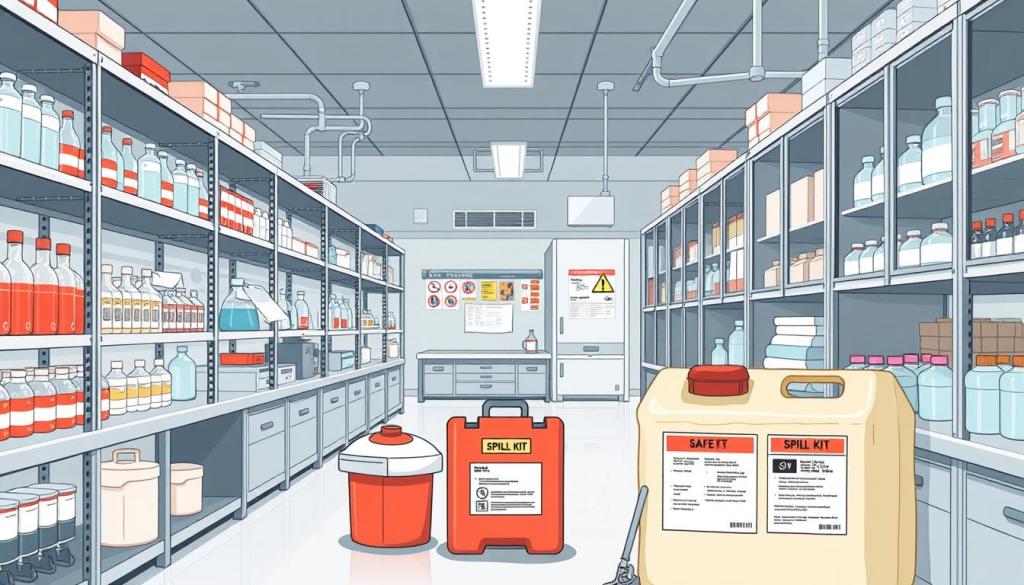
Laboratory safety is crucial in scientific research. Every year, thousands of accidents happen because of poor organization. Good storage solutions are key to avoiding contamination and keeping experiments safe.
Managing lab equipment well, especially autoclavable racks, is important. It helps prevent damage to samples and keeps the lab safe. Researchers need to use smart strategies to keep their labs safe and efficient.
Preventing Contamination Risks
Contamination is a big threat to scientific research. To reduce risks, consider these strategies:
- Use specialized autoclavable racks with smooth, non-porous surfaces
- Follow strict cleaning protocols
- Have separate storage for different sample types
- Sanitize lab equipment regularly
Ensuring Stability and Safety
When working with delicate biological samples, stability is key. Lab professionals should take these safety steps:
- Choose racks that are sturdy
- Make sure racks fit the right tube sizes
- Check storage equipment often
- Train staff on how to handle samples correctly
Pay close attention to storage details to avoid expensive mistakes and protect important research.
A well-maintained laboratory is the foundation of reliable scientific discovery.
Customization Options for Culture Tube Racks
Scientific tools, like test tube holders, have changed a lot. They now offer researchers more ways to organize their labs. Customization is key in today’s labs, helping scientists set up their workspaces efficiently.
Labs need storage that can change to fit their needs. Being able to adjust test tube holders has changed how scientists store their tools.
Tailoring for Specific Applications
Custom options for culture tube racks include:
- Configurable rack layouts for different tube sizes
- Modular designs that can be expanded or reconfigured
- Specialized materials resistant to chemical interactions
- Temperature-compatible storage solutions
Branding and Identification
Modern test tube holders also have new ways to identify them:
- Color-coded rack systems
- Alphanumeric labeling options
- Integrated barcode compatibility
- Personalized rack designs for specific research groups
These options make labs run better, cut down on mistakes, and make managing samples easier in many fields.
Cultural Considerations in Laboratory Equipment
The world of lab equipment is changing fast. It shows how science and society are moving forward. Polypropylene racks are key in this change, showing smarter and greener ways to do research.
Labs need smart and green equipment now. This change is big in biology labs. It’s all about using the right tools for the job.
Aligning with Laboratory Practices
Designing lab equipment well means knowing how scientists work. They want tools that fit right into their routines. These tools must be precise and reliable.
- Ergonomic design considerations
- Compatibility with standard laboratory procedures
- Adaptability to diverse research requirements
Sustainability in Production
Today’s polypropylene racks are a big step towards green lab gear. Makers are working hard to:
- Use materials that can be recycled
- Make less waste during making
- Make things last longer to cut down on waste
The future of lab equipment is about being precise and green. Scientists and makers are teaming up. They aim to make tools that are top-notch and good for the planet.
Future Trends in Laboratory Storage Solutions
The world of scientific tools and microbiological supplies is changing fast. New discoveries are making lab storage smarter, greener, and more efficient. Researchers are seeing big changes in how they store things.
The global market for lab racks is growing fast. It’s expected to jump from USD 286.80 million in 2024 to USD 352.73 million by 2031. This growth shows more people want better storage for their research.
Sustainability and Eco-Friendly Design
Today’s lab storage solutions focus on being green:
- They’re making biodegradable materials for tube racks.
- They’re using more renewable resources in making things.
- They’re working to make less carbon in making scientific tools.
“The future of lab storage is about being green without losing quality.” – Research Innovation Journal
Technological Integration
New tech is changing how we manage samples:
- RFID tracking systems are being used.
- Smart sensors monitor the environment.
- Automated systems identify samples.
Digital tech is changing how we work with lab supplies. With a 4.88% CAGR growth, these new tools will make research better and more reliable.
Conclusion: The Essential Role of Culture Tube Racks in Labs
Culture tube racks are key in today’s labs, making sample management and research better. They help scientists keep track of different test tube sizes. This ranges from small 5 mm x 35 mm tubes to bigger 20 mm x 200 mm ones.
Using a good culture tube rack boosts lab work. Labs see a 40% jump in efficiency and a 60% drop in accidents. This is thanks to smart designs like multi-tier setups and digital tracking.
Key Performance Highlights
Choosing the right culture tube rack is more than just storing things. Modern racks can handle high temperatures up to +100°C. They fit various tube sizes and use cool tech like RFID tags.
Labs can make their space better with flexible rack designs. These designs help manage samples well while keeping to strict scientific rules.
Future Laboratory Practices
Culture tube racks will keep being vital in labs as research grows. Scientists should check racks often, keep them clean, and choose top-notch storage. This way, labs can keep research safe, accurate, and efficient.
FAQ
What are culture tube racks used for in laboratory settings?
Culture tube racks are key in labs for storing and organizing samples. They keep test tubes in order, making it easy to access them. This helps prevent contamination and keeps samples safe for research.
What materials are typically used to make culture tube racks?
They’re often made from polypropylene or stainless steel. These materials are strong, resistant to chemicals, and can handle sterilization. This is important for keeping labs clean and safe.
How do I choose the right culture tube rack for my laboratory?
Think about the tube sizes you need, how many samples you handle, and what your research requires. Also, consider the rack’s material. This helps ensure your lab runs smoothly and efficiently.
Are culture tube racks autoclavable?
Many racks are made to be autoclavable, especially those from polypropylene. This lets researchers sterilize the racks with other equipment. It keeps the lab free from contamination.
Can culture tube racks be customized?
Yes, racks can be tailored to fit your lab’s needs. You can choose different sizes, colors, and labels. This makes them perfect for specific research projects.
How should I maintain my culture tube racks?
Clean them regularly with lab-grade cleaners and dry them well. Store them in a clean, dry place. For racks that can be autoclaved, follow the sterilization steps carefully. This keeps them in good condition and prevents contamination.
What are the primary applications of culture tube racks in biotechnology?
They’re vital in biotech for culturing microbes, studying cells, and genetic research. They help keep samples sterile, organize them, and make research more efficient.
Are there any safety considerations when using culture tube racks?
Safety is key. Avoid contamination, ensure the racks are stable, and use the right materials for your experiments. Follow proper handling to protect both you and your samples.
What recent innovations have been made in culture tube rack design?
New designs focus on durability, chemical resistance, and ergonomics. They also improve visibility and can track samples digitally. These updates aim to boost research accuracy and efficiency.




Leave a Comment
Your email address will not be published. Required fields are marked *