


Are your lab experiments safe from hidden contamination risks? Scientific research needs precision. Pipette filter tips are key for keeping experiments clean.
Pipette filter tips are a big step forward in lab tech. Used in more than 80% of labs, they block cross-contamination. This helps researchers avoid mistakes and keep science accurate.
These tips do more than just move liquids. They fight off aerosols, keeping samples pure. This means less chance of wrong results. Studies show a 99% drop in contamination risks, making them vital for today’s science.
Key Takeaways
- Pipette filter tips reduce cross-contamination risks by up to 99%
- Over 80% of research laboratories utilize filter tips
- Filter tips provide critical protection against aerosol contamination
- Used extensively in sensitive scientific applications like PCR
- Enhance overall experimental accuracy and reliability
Understanding the Importance of Pipette Filter Tips
Scientific research needs precision and accuracy. Pipette filter tips are key to keeping labs up to standard. They help prevent contamination and ensure reliable results.
Pipette filter tips, or aerosol barrier tips, are a big step forward in lab tech. They offer strong protection for samples and researchers during important scientific work.
What are Pipette Filter Tips?
Filtered pipette tips are special lab tools that stop cross-contamination. They have:
- Pre-sterilized design
- DNase/RNase-free composition
- Built-in aerosol barrier technology
- Made from high-quality clear polypropylene
Benefits of Using Filter Tips in the Lab
Using aerosol barrier pipette tips has many benefits:
- They protect samples better
- They lower contamination risks
- They help experiments work the same way every time
- They keep expensive pipette gear safe
*Precision in scientific research begins with the right tools*
Key Applications in Scientific Research
Filtered pipette tips are vital in many scientific fields, especially in:
- Molecular biology experiments
- Polymerase chain reaction (PCR) techniques
- Genetic research
- Microbiology investigations
Choosing the right filtered pipette tips helps researchers avoid contamination. This keeps their scientific work reliable and accurate.
Types of Pipette Filter Tips Available
Molecular biology pipette tips come in many types, each for different lab needs. Knowing about these types helps scientists pick the best tool for their work.
Single-Channel vs. Multi-Channel Tips
Scientists have two main choices for pipette tips:
- Single-Channel Tips: Great for handling one sample at a time
- Multi-Channel Tips: Best for handling many samples at once
Sterile vs. Non-Sterile Filter Tips
Pipette tip filters are key to keeping samples safe:
- Sterile filter tips: Cleaned with gamma-irradiation, no biological contaminants
- Non-sterile filter tips: Good for everyday lab use
Low-Retention vs. Standard Filter Tips
There are different molecular biology pipette tips with special benefits:
- Low-Retention Tips: Help keep samples from sticking, great for sensitive work
- Standard Tips: Reliable for most lab tasks
Scientists can pick from many tip types, like macro tips (5-10 ml), micro tips (0.5-1,250 µL), and ultra-micro tips (0.5-20 µL). This ensures accurate liquid handling in various fields.
Selecting the right pipette tip is critical for maintaining experimental accuracy and preventing cross-contamination.
Selecting the Right Pipette Filter Tip
Choosing the right sterile pipette tips is key for lab professionals. It ensures precision and reliability in research. The correct filter tip greatly affects the outcome of experiments and the quality of research.
When picking contamination-free pipette tips, researchers need to think about a few important things. These include the volume range, chemical resistance, the type of sample, and how sensitive the experiment is.
- Volume range compatibility
- Chemical resistance
- Sample type requirements
- Experimental sensitivity
Critical Considerations for Filter Tip Selection
Pipette filter tips vary to fit different lab needs. Researchers should look at tip features based on their specific experiments. Most polypropylene tips have contaminants from making them, so picking carefully is crucial.
Pipette Model Compatibility
It’s important to match sterile pipette tips with the right pipette models. The ISO standard 8655-2 says to use tips from the same maker as the pipette. This ensures the best performance and precision.
Maintaining Sample Integrity
There are different tips for different sample needs. Low-retention tips help keep samples from sticking, and long tips are good for deep containers. Wide tips are best for thick or dirty samples, keeping them clean.
Selecting the right filter tip is not just a technical choice—it’s a critical step in ensuring research reliability and precision.
- Low-retention tips reduce sample retention by 3-5 times
- Extended-length tips prevent shaft contamination
- Sterile filter tips block aerosol penetration
By looking at these factors, researchers can pick the best contamination-free pipette tips. These tips improve the accuracy of experiments and keep samples safe.
Proper Handling and Usage of Filter Tips
Laboratory professionals need to be precise when using PCR pipette tips. This is to ensure their experiments are accurate and free from contamination. It’s important to know how to handle low-retention pipette tips right to keep samples safe and research quality high.

Managing filter tips well involves several key steps. Researchers must follow these to avoid mistakes and keep samples safe from contamination.
Best Practices for Loading Filter Tips
Here are the essential steps for loading PCR pipette tips:
- Always check tips for damage before using them
- Hold pipettes straight up when attaching tips
- Press tips gently onto the pipette shaft
- Make sure the tip fits tightly on the pipette
Avoiding Contamination During Use
To stop contamination, pay close attention to detail with low-retention pipette tips. Here are some strategies:
- Use different tips for different samples
- Change tips after each sample transfer
- Keep tips away from surfaces
- Use sterile techniques when handling tips
Recommended Techniques for Disposal
Getting rid of used filter tips the right way is key for lab safety and avoiding contamination. Here’s what to do:
- Throw used tips in biohazard bins
- Avoid touching the tip’s outside when removing it
- Follow your lab’s waste management rules
- Wear the right protective gear
By following these steps, you can make sure filter tips work well in your scientific research.
Maintenance and Care of Pipette Filter Tips
Keeping pipette filter tips in good shape is key for accurate research. Lab workers need to follow a strict care routine for these vital tools.
There are several important steps to keep pipette filter tips working well. These steps help protect the tools and the research itself:
- Use 70% ethanol or isopropanol for daily cleaning
- Check for calibration every month
- Replace any damaged parts right away
- Store tips in a clean, dry place
Storage Guidelines for Filter Tips
Storing pipette barrier tips right is very important. Experts should:
- Put tips in sealed containers
- Keep them away from direct sunlight
- Keep the temperature steady
- Don’t let them get wet
Ensuring Longevity of Filter Tips
To make pipette filter tips last longer, handle them with care. Regular checks can spot problems early, keeping research quality high.
Recognizing Signs of Wear and Tear
Lab workers should look out for signs that tips are wearing out:
- Cracks or changes in shape
- Uneven liquid flow
- Less effective sealing
- Color changes or material damage
By sticking to these detailed care tips, scientists can ensure their pipette filter tips work well. This helps with precise research.
The Role of Pipette Filter Tips in Preventing Contamination
Laboratory research needs absolute precision and cleanliness. Aerosol barrier pipette tips are key in keeping experiments clean. They protect samples from contamination risks.

Filtered pipette tips are a vital part of scientific work. They stop cross-contamination with advanced filtration.
Mechanisms of Filtration
The design of filter tips creates a strong barrier. It catches tiny particles and aerosols. These tips work in several ways:
- Blocking airborne contaminants
- Preventing liquid splash-back
- Filtering microscopic particulate matter
- Protecting pipette internal components
Reducing Cross-Contamination Risks
Studies show filtered pipette tips can cut contamination risks by up to 99%. For PCR, this is crucial for accurate results.
| Contamination Type | Risk Reduction |
|---|---|
| Aerosol Contamination | 95-99% |
| Liquid Carryover | 90-95% |
| Particulate Interference | 85-90% |
Case Studies Demonstrating Efficacy
Research shows the big impact of aerosol barrier pipette tips. Molecular biology research shows better results with advanced filtered tips.
Lab professionals can greatly reduce contamination risks. They just need to choose the right filtered pipette tips and follow strict handling rules.
Innovations in Pipette Filter Tip Technology
Scientific research is always evolving, and pipette tip filters are key in this progress. These tools are vital for molecular biology and precise research. New advancements have made them better, offering top-notch performance and features.
Advancements in Materials and Design
Today’s molecular biology pipette tips have seen big improvements. These changes make lab work smoother. Some of the main updates include:
- Advanced polymer technologies with enhanced chemical resistance
- Improved filtration mechanisms preventing aerosol contamination
- Reduced tip attachment forces for smoother pipetting
- Optimized air flow management
Integration with Lab Automation
Pipette tip filters are now made to work well with lab automation systems. Precision engineering lets them fit perfectly with robots. This ensures they work well in many scientific tasks.
| Feature | Benefit |
|---|---|
| Automation Certification | Tighter tolerance control |
| Universal Compatibility | Reduced instrument downtime |
| Aerosol Barrier Design | Enhanced sample protection |
Future Trends in Filter Tip Development
The future of pipette tip filters is exciting. Trends include being more sustainable, better at filtering, and adaptable. Scientists can look forward to even better tools. These will help keep samples safe, reduce contamination, and support complex research.
Comparing Pipette Filter Tips with Alternative Products
Laboratory experts always look for the best tools to keep research accurate and samples safe. Sterile pipette tips are key to maintaining top scientific standards.
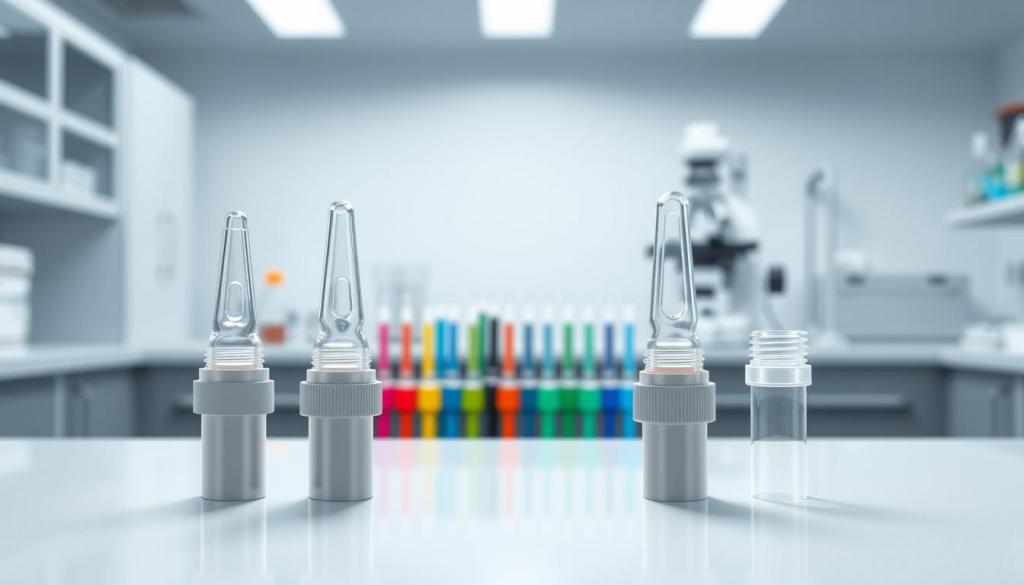
Scientific research needs careful attention, especially when dealing with sensitive samples. Contamination-free pipette tips are a vital solution for labs wanting to reduce contamination risks.
Filter Tips vs. Regular Tips: A Comprehensive Analysis
The main differences between filter and regular pipette tips are clear:
- Filter tips have a polyethylene barrier to stop aerosol and liquid droplets
- Regular tips don’t have this barrier, making them more likely to contaminate
- Specialized filter tips are best for handling delicate molecular samples
Performance Evaluation Metrics
Researchers have found important features that set filter tips apart:
- Filtering efficiency is up to 85% for particles between 0.3-0.7 µm
- They offer better protection against viral and bacterial contamination
- They keep samples safe for sensitive scientific methods
User Satisfaction and Preference
Laboratory experts often choose sterile pipette tips for their advanced contamination prevention. They are crucial for molecular biology, PCR, and clinical diagnostics where sample protection is key.
Although filter tips might cost more upfront, their ability to prevent contamination makes them vital for precise scientific research.
Best Practices for Laboratory Safety with Filter Tips
Laboratory safety is key when using PCR pipette tips and sensitive equipment. Researchers need to follow strict protocols to avoid contamination. Low-retention pipette tips help manage samples carefully and reduce errors.
It’s vital for lab staff to get proper training on filter tips. They should learn how to attach tips correctly, dispense liquids safely, and dispose of them properly. Labs should offer training that focuses on keeping things sterile and preventing contamination.
Being ready for emergencies is also important. Labs should have plans for dealing with broken tips, spills, and contamination. Using 70% ethanol for cleaning and knowing how to use UV sterilization can help a lot.
Keeping equipment in good shape and handling PCR pipette tips with care is crucial. By following strict safety rules and training staff well, labs can improve research results and avoid safety risks.
FAQ
What are pipette filter tips and why are they important in laboratory research?
Pipette filter tips are special tools used in labs. They help keep samples and pipettes clean. These tips have a filter that catches tiny particles and aerosols, keeping samples safe and pure.
How do filter tips differ from standard pipette tips?
Filter tips have a special barrier that stops particles and prevents contamination. This is key for precise work like PCR and cell culture. It ensures samples stay clean and pure.
What types of pipette filter tips are available?
There are many types of filter tips. You can find single-channel and multi-channel, sterile and non-sterile, and low-retention tips. Each is made for different lab needs.
How do I choose the right pipette filter tip for my research?
Choosing the right tip depends on several things. Look at the volume, compatibility, sample type, and your research needs. Think about chemical safety, fit, and how it affects your samples.
How can I prevent contamination when using pipette filter tips?
To avoid contamination, use sterile techniques and handle tips carefully. Avoid touching the tips and use proper pipetting. Always follow lab safety rules when disposing of tips.
What are the benefits of low-retention filter tips?
Low-retention tips help keep samples from sticking to the tip. They’re great for working with thick samples or valuable reagents. This ensures you get all your sample back and waste is minimized.
How should I store pipette filter tips to maintain their quality?
Keep tips in a clean, dry place away from sunlight and extreme temperatures. Store them in their packaging until you use them. Make sure the storage area is dust-free and not too humid.
Are filter tips necessary for all laboratory applications?
Filter tips are not needed for every lab task. But, they’re a must for sensitive work like PCR and cell culture. They help keep samples safe and prevent contamination.
How do filter tips contribute to laboratory safety?
Filter tips make labs safer by stopping aerosols and reducing contamination risks. They protect researchers from harmful substances and help make experiments reliable and repeatable.
What are the emerging trends in pipette filter tip technology?
New trends include better materials and filtration, working with lab automation, and more sustainable designs. These advancements support more precise and complex research.





Leave a Comment
Your email address will not be published. Required fields are marked *