


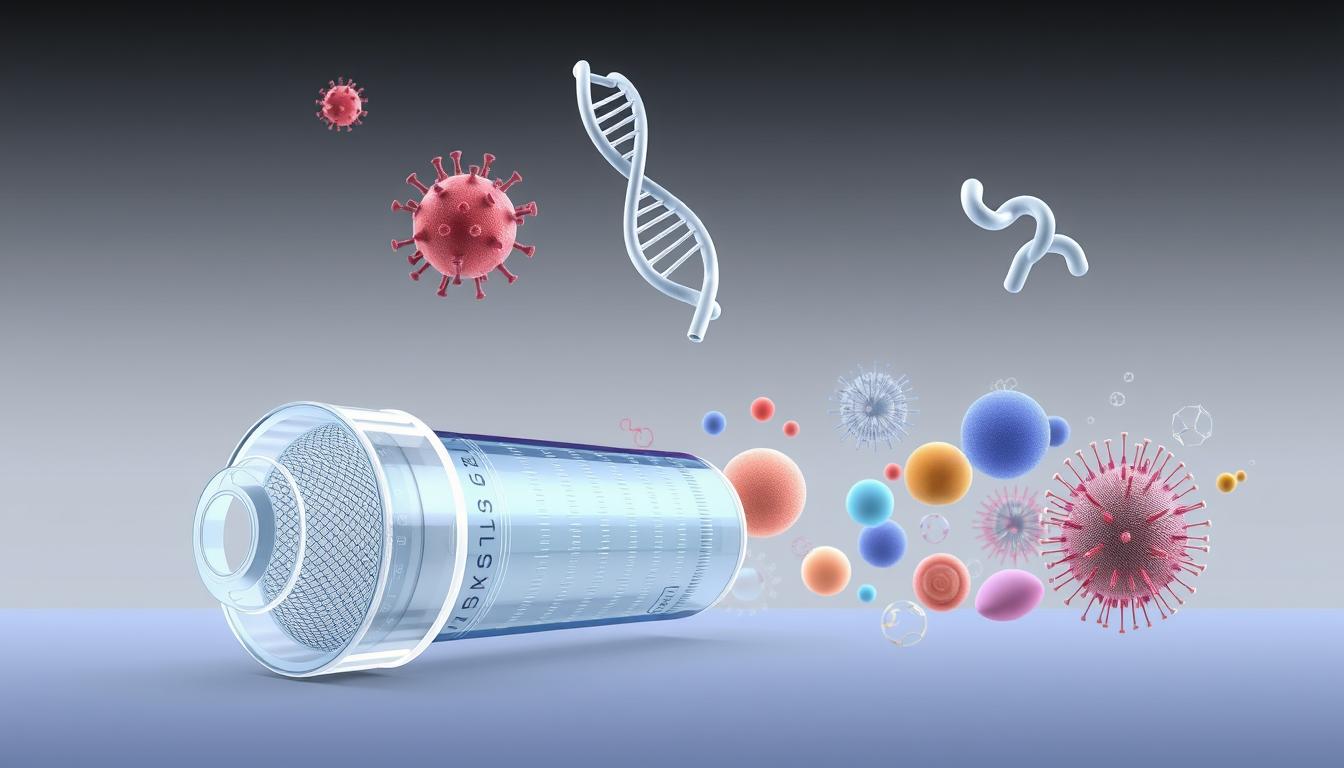
Are your molecular biology experiments struggling with contaminated DNA samples? The MB spin column might be the game-changing solution researchers have been searching for in nucleic acid purification.
Modern molecular biology labs need precise and efficient tools for DNA extraction. The MB spin column is a breakthrough in nucleic acid purification. It offers researchers a quick and reliable way to get high-quality genetic material.
These spin columns use advanced silica membrane technology. They allow scientists to extract pure DNA from different bacterial species efficiently. Their versatility makes them crucial in genomic research, diagnostics, and biotechnology.
Key Takeaways
- MB spin columns provide rapid and efficient nucleic acid purification
- Supports multiple applications in molecular biology research
- Compatible with various bacterial species DNA extraction
- Uses advanced silica membrane technology
- Reduces contamination risks in genetic research
Introduction to MB Spin Columns
MB spin columns are a big deal in molecular biology. They help researchers purify nucleic acids. This is thanks to advanced silica membrane technology that makes RNA extraction and DNA isolation easier.
The heart of MB spin columns is a special silica membrane. It grabs nucleic acids well. This membrane can hold up to 20 μg of DNA, especially when chaotropic salts are used. It’s a key tool for detailed molecular biology work.
Understanding MB Spin Column Structure
MB spin columns are made with care for advanced research. They have:
- High-performance silica membrane
- Compact column design
- Compatibility with multiple sample types
- Rapid purification capabilities
Laboratory Applications
Researchers use MB spin columns in many fields. This includes:
- Genomic research
- Molecular diagnostic procedures
- Forensic science investigations
- Microbial genetic studies
These spin columns are very useful. They help scientists get high-quality DNA from tough samples fast and well.
Advantages of Using MB Spin Columns
MB spin columns have changed how we prepare samples in biotechnology labs. They make work more efficient and flexible. Thanks to advanced technology and precise methods, these columns purify samples very well.
- High purification efficiency through advanced silica membrane technology
- Rapid sample processing times
- Versatility across multiple biotechnology applications
- Compatibility with various laboratory instruments
High Purification Efficiency
Centrifugation is key to getting great results in sample preparation. MB spin columns can handle 12-24 samples at a time. This ensures consistent and reliable molecular extraction.
The special membrane design helps get high-quality genomic DNA. You can expect to get 2-10 µg of DNA per sample.
Time-Saving Benefits
Modern labs need quick and efficient methods. MB spin columns make DNA extraction fast. Some kits can do it in just 15-45 minutes.
This speed helps speed up research and boosts lab productivity.
Versatility in Various Protocols
These columns are very adaptable for different uses in biotechnology. They work for genomic DNA, viral RNA/DNA, and microbiome analysis. Their design fits many processing methods, like microcentrifuge, vacuum manifold, and automated systems.
Components of an MB Spin Column
MB spin columns are a big step forward in getting genetic material. They make it easier for scientists to get high-quality DNA and RNA.
An MB spin column has several important parts. These parts work together to purify genetic material well:
- Column reservoir: Holds the sample during processing
- Silica membrane: Selectively binds nucleic acids
- Collection tube: Captures purified genetic material
- Specialized filtration system: Enables precise separation
Membrane Technology in Molecular Biology
The silica membrane is key in modern genetic material purification. It catches DNA and RNA but lets other stuff go by.
“The silica membrane represents a quantum leap in genetic material extraction technology” – Molecular Biology Research Journal
Advanced Membrane Functionality
The silica membrane is very good at picking up genetic material. It does this by binding to DNA and RNA strongly. This leaves out the bad stuff like cell parts and proteins.
- Binds nucleic acids with high efficiency
- Removes cellular impurities
- Supports rapid processing
- Provides consistent results
Scientists use these advanced membranes to get clean genetic samples. These samples are then used for many molecular biology tasks.
How MB Spin Columns Work
Nucleic acid purification is key in molecular biology. MB spin columns make DNA and RNA extraction easier. They use centrifugation to speed up lab work.
The purification process is designed to get high-quality DNA and RNA. Scientists use these columns to clean up biological samples. This helps them get the molecules they need.
Purification Process Overview
Spin column purification uses a solid-phase extraction method. It has several important steps:
- Lysis of biological sample
- Binding of nucleic acids to silica membrane
- Washing to remove contaminants
- Elution of purified nucleic acids
Critical Steps for Effective Extraction
Getting good DNA isolation needs careful steps. Researchers focus on:
- Sample preparation and lysis
- Addition of binding solution
- Controlled centrifugation
- Multiple washing stages
- Final elution of purified material
“Precision in each step determines the quality of nucleic acid extraction.”
How well nucleic acids bind is important. Factors like:
- Salt concentration
- pH levels
- Incubation time
- Temperature control
Technical Insights
Chaotropic agents help DNA bind to silica membranes. These agents make the purification process better.
| Purification Parameter | Typical Range |
|---|---|
| Plasmid DNA Yield | 15-25 µg (high copy-number) |
| Maximum Plasmid Size | Up to 20 kb |
| Processing Time | Less than 30 minutes |
Mastering the nuanced techniques of spin column purification ensures researchers obtain high-quality nucleic acid samples for downstream applications.
Important Considerations When Using MB Spin Columns
Researchers in genomics and biotechnology must carefully consider several factors when using MB spin columns. These tools need precise attention to work well and give reliable results.
It’s key to know what affects the efficiency of spin columns. This knowledge is vital for extracting and purifying nucleic acids effectively.
Sample Size Limitations
MB spin columns have volume limits that researchers must think about when planning their experiments:
- High-copy plasmids: Recommended culture volume of 1-5 ml
- Low-copy plasmids/cosmids: Recommended culture volume of 1-10 ml
- Maximum binding capacity varies depending on column specifications
Buffer Compatibility Considerations
Choosing the right buffers is crucial for a smooth purification process. Different buffers can greatly affect:
- Binding efficiency of nucleic acids
- Washing procedures
- Elution performance
| Buffer Type | Impact on Purification | Recommended Use |
|---|---|---|
| Lysis Buffer | Breaks cell membranes | Initial sample preparation |
| Binding Buffer | Facilitates nucleic acid attachment | Optimal DNA/RNA capture |
| Wash Buffer | Removes contaminants | Purification refinement |
| Elution Buffer | Releases purified material | Final sample collection |
Choosing the right buffer system is essential for high yield and purity in molecular biology.
Precision in buffer selection can make the difference between successful and compromised experimental outcomes.
Troubleshooting Common Issues with MB Spin Columns
Nucleic acid purification can sometimes be tricky for researchers using MB spin columns. Knowing how to fix common problems helps get consistent, high-quality results in labs.
Inefficient Purification Strategies
Researchers might find that nucleic acid purification with MB spin columns isn’t as effective as they hoped. Several factors can affect how well the extraction goes:
- Improper buffer composition
- Incomplete sample lysis
- Incorrect centrifugation parameters
- Overloading column capacity
Resolving Column Blockage Problems
Column blockage is a big problem in molecular biology labs. To tackle this, researchers can try a few things:
- Ensure proper sample pre-treatment
- Use appropriate lysis buffers
- Optimize centrifugation speeds
- Prevent cross-contamination
Spin columns usually finish DNA purification in about 30 minutes. With high-purity plasmid DNA ready to go, careful troubleshooting keeps nucleic acid extraction reliable.
Effective spin column management requires attention to detail and understanding of potential purification challenges.
To use MB spin columns well, focus on optimal buffer conditions. Also, pick the right centrifugation parameters and stick to the manufacturer’s guidelines.
Comparison with Other Purification Methods
The world of DNA and RNA purification has changed a lot with new technologies. MB spin columns are a big step forward in biotechnology. They make preparing samples easier for researchers.
- No need for dangerous chemicals
- Less time needed for processing
- Better sample purity
- Consistent DNA and RNA quality
Spin Columns Versus Traditional Extraction Techniques
Old DNA isolation methods were complex and used phenol-chloroform extraction. They needed lots of toxic chemicals and many steps. Spin columns offer a quick, clean alternative that lowers contamination risks.
Limitations of Alternative Purification Approaches
Old methods have their drawbacks. DNA yield from them varies a lot, but spin columns do better. They also help keep DNA and RNA very pure, with specific ratios.
- Less complicated process
- Less chemical exposure
- Quicker and easier to use
- More consistent results
MB spin columns show how molecular biology is getting better. They give researchers a dependable and efficient way to work with DNA and RNA.
Best Practices for MB Spin Column Usage
Molecular biology researchers need precise sample preparation for top-notch genomics research. MB spin columns are key for quick and clean nucleic acid purification. They require careful handling and smart use.
To use MB spin columns well, you must prepare them right and store them wisely. Follow a detailed plan to get the most out of the columns and keep your samples safe.
Essential Pre-Use Preparations
Good sample prep in molecular biology means several important steps:
- Make sure columns are at room temperature before starting
- Check if the buffers match and are the right pH
- Work in a clean, sterile area
- Use at least 50 µl of elution buffer
Strategic Storage Recommendations
Storing MB spin columns and purified samples right is key:
- Keep unused columns in their original packaging
- Store them away from light and moisture
- Keep the temperature steady, usually around 4°C
- Store purified samples at -30°C to -15°C
“Precision in sample preparation determines the success of genomics research” – Laboratory Protocols Journal
By following these best practices, researchers can improve their genomics research. This ensures consistent and high-quality results with MB spin columns.
Innovations in MB Spin Column Technology
The world of nucleic acid purification is changing fast. New spin column technology is leading the way. It brings big improvements to genomics research.
New tech has made MB spin columns better for lab work. The main changes are:
- Improved membranes that hold more DNA
- Work with automated systems for faster results
- Can handle tough biological samples better
Cutting-Edge Performance Metrics
Today’s spin columns are really good at what they do. For example, the Quick-DNA Miniprep Plus Kit gets 3x more DNA than old methods. It also finishes in about 20 minutes.
Advanced Biotechnology Applications
These new spin columns are changing genomics research. They offer better and faster ways to purify DNA. Now, researchers can:
- Process samples right away, no extra steps needed
- Get DNA that’s very pure, with high A260/A230 ratios
- Use them with different types of samples
These advances are a big step up in lab tech. They make research more accurate and efficient.
Future Trends in Laboratory Purification Tools
The world of molecular biology is changing fast. Spin columns are becoming key in genomics research. New technologies are changing how we purify nucleic acids, leading to big steps in biotechnology.
Spin columns are getting better thanks to new tech. Scientists are looking into microfluidics and new materials. This could make purification faster and more efficient.
Spin columns can already handle DNA from many sources. They work with E. coli, S. cerevisiae, B. subtilis, and A. tumefaciens. This shows they could be used in synthetic biology and personalized medicine too.
Future spin columns will be faster, more precise, and adaptable. They might be made for specific tasks in molecular biology. This could mean quicker and better DNA extraction.
Spin columns will be vital in biotechnology as it grows. They’ll help with environmental monitoring, disease research, and genetic studies. They’re set to be key in advanced molecular research.
FAQ
What are MB spin columns used for in molecular biology?
MB spin columns are tools for purifying DNA and RNA. They help researchers get high-quality genetic material from different samples. This is key for studying genes, making medical tests, and biotech work.
How do MB spin columns differ from traditional nucleic acid extraction methods?
MB spin columns are faster and safer than old methods. They use a special membrane to clean DNA and RNA quickly. This makes them better for getting pure genetic material.
What types of samples can be processed using MB spin columns?
MB spin columns work with many samples like blood, tissue, and plants. They’re good for both DNA and RNA, making them very useful in labs.
What are the key components of an MB spin column?
An MB spin column has a reservoir, a silica membrane, and a tube. The silica membrane grabs DNA and RNA, making it easy to separate and clean them.
What factors can affect MB spin column performance?
Things like sample size and buffer choice can change how well they work. It’s important to use the right buffers and follow the instructions to get good results.
Can MB spin columns be used for both DNA and RNA extraction?
Yes, MB spin columns can extract both DNA and RNA. But, you need to use the right protocols and buffers for each one to get the best results.
What are common troubleshooting challenges with MB spin columns?
Issues like poor purification and low yield can happen. But, following the instructions and using fresh buffers can help solve these problems.
How do MB spin columns contribute to modern molecular biology research?
MB spin columns make getting genetic material fast and reliable. This helps scientists do better work in genomics, gene therapy, and more.






Leave a Comment
Your email address will not be published. Required fields are marked *