



Are you ready to unlock the mysteries hidden within your blood’s most powerful cellular defenders? Peripheral blood mononuclear cells (PBMC) collection is key to understanding human immune responses.
PBMC collection is a complex process. It allows researchers to isolate important immune cells like lymphocytes and monocytes. These cells are crucial for medical research, helping us understand complex immunological mechanisms.
Precision is essential in PBMC isolation. Techniques like density gradient centrifugation and advanced microbubble technology help scientists extract cells accurately. This ensures high-quality samples for research and therapy.
Key Takeaways
- PBMC collection provides critical insights into immune system function
- Multiple isolation techniques exist for targeted cell extraction
- Precision and gentleness are crucial in maintaining cell viability
- PBMC research supports advances in immunology and clinical treatments
- Advanced technologies continue to improve isolation methods
Understanding PBMCs: The Basics
Peripheral Blood Mononuclear Cells (PBMCs) are key to our immune system. They help us understand complex biological processes and aid in medical research. The world of isolating and purifying PBMCs is full of scientific discoveries.
At their core, PBMCs are white blood cells with round nuclei. They are the backbone of our immune defense. These cells include lymphocytes, monocytes, natural Killer (NK) cells, and dendritic cells.
Defining Cellular Composition
Each PBMC type has a unique role in fighting off pathogens. Lymphocytes target specific pathogens, while monocytes become macrophages to destroy invaders. The ability to purify these cells allows for detailed research.
Research Significance
PBMCs are vital in many research areas. Immunologists use them to study diseases, develop treatments, and understand immune system interactions. They are crucial for drug discovery, diagnostics, and gene therapy.
Common Applications
Scientists use PBMCs in various fields, including:
- Cancer research
- Infectious disease studies
- Vaccine development
- Autoimmune disorder investigations
The process of isolating PBMCs requires special skills and advanced techniques. This ensures the cells stay alive and research is accurate.
Preparing for PBMC Collection
Getting ready for blood sample processing is all about careful planning and using the right cell biology techniques. Researchers need to plan every step carefully to get high-quality Peripheral Blood Mononuclear Cells (PBMCs).
The key to good PBMC collection is knowing the important steps and sticking to strict scientific standards.
Essential Laboratory Equipment
To prepare for PBMC collection, you need special equipment for the best results:
- Microbiological safety cabinets
- Refrigerated centrifuges with swinging bucket rotors
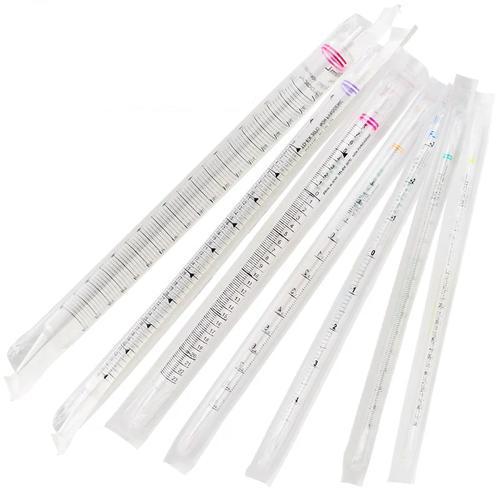
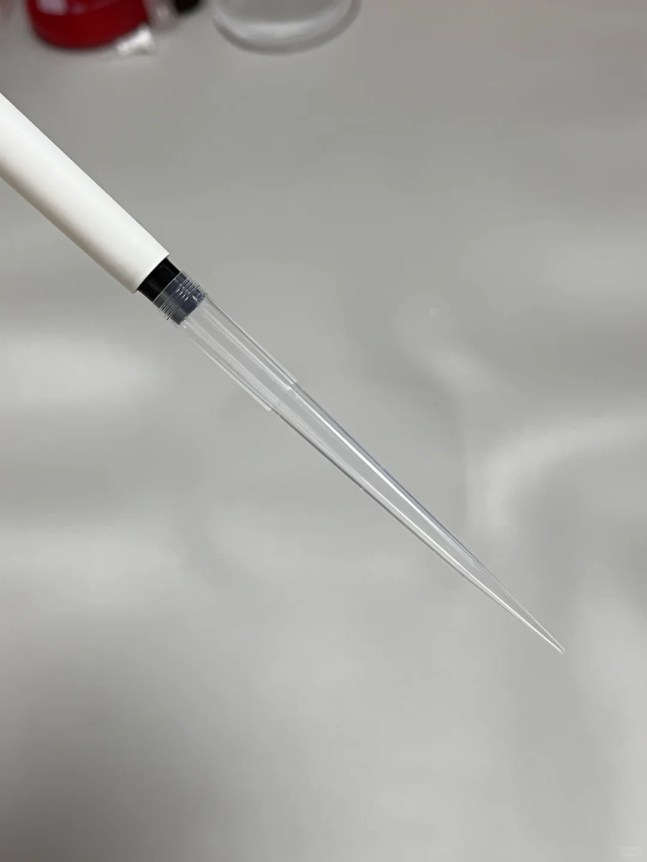
- Precise pipettes and pipette tips
- Sterile collection tubes
- Personal protective equipment
Sample Collection Protocol
The blood sample processing protocol has several key steps to keep cells intact:
- Collect whole blood using approved anticoagulant tubes
- Process samples within four hours of collection
- Keep a consistent temperature during handling
- Use density gradient media with specific gravity of 1.077 g/ml
- Centrifuge samples at recommended speeds (400-1000 x g)
Pre-Collection Considerations
Important cell biology techniques need careful donor selection and ethical thinking. Researchers must check the donor’s health, get their consent, and follow review board rules.
Precision in preparation determines the quality of downstream cellular research.
Getting PBMCs right needs careful planning, the right equipment, and following set protocols in blood sample processing.
Blood Collection Techniques
Getting whole blood samples is key in science and medicine. The process of enriching leukocytes needs precision and the right steps. This ensures top-quality cells for research.
Venipuncture Method
Venipuncture is the main way to get blood samples. Doctors use special needles to take blood from veins in the arm. This method is good because it:
- Causes little pain to the patient
- Guarantees consistent sample quality
- Is quick to do
Anticoagulant Considerations
Choosing the right anticoagulants is vital for keeping cells alive during blood processing. The most used anticoagulants are:
| Anticoagulant | Primary Use | Cell Preservation |
|---|---|---|
| EDTA | Cellular research | Excellent |
| Heparin | Clinical diagnostics | Good |
| Acid Citrate Dextrose | Long-term storage | Very Good |
Alternative Collection Methods
For big batches of leukocytes, scientists use advanced methods like:
- Leukapheresis: A special blood separation method
- Apheresis: A way to extract specific components
- Cord blood collection
Each method has its own benefits, depending on what the research needs and how much sample is needed.
PBMC Isolation Techniques
Peripheral Blood Mononuclear Cell (PBMC) isolation is key for research and medicine. Scientists use various methods to separate lymphocytes and monocytes from blood. This ensures high-quality cell samples.
Density Gradient Centrifugation with Ficoll-Paque
Density gradient centrifugation is a main method for separating lymphocytes. It uses Ficoll-Paque, a medium that sorts cells by weight. This technique is very effective:
- Average cell recovery around 6 x 10^5 cells/ml of whole blood
- Reliable separation of mononuclear cells from red blood cells
- Cost-effective isolation method
Magnetic Bead Separation
Magnetic bead separation is more precise. It targets specific cell types with great accuracy. This method is a big step forward in cell isolation.
| Technique | Cell Recovery | Specificity | Processing Time |
|---|---|---|---|
| Density Gradient Centrifugation | 6 x 10^5 cells/ml | Moderate | 2-3 hours |
| Magnetic Bead Separation | 8 x 10^5 cells/ml | High | 1-2 hours |
| CPT Tubes | 13 x 10^5 cells/ml | Moderate | 1 hour |
Method Comparison
Choosing the right PBMC isolation technique is important. It depends on the research needs. Cell recovery, purity, and application are key factors.
- Density Gradient Centrifugation: Most traditional method with consistent results
- Magnetic Bead Separation: Higher specificity for targeted cell populations
- CPT Tubes: Fastest processing with highest cell recovery
Knowing the strengths and weaknesses of each method helps researchers make better choices. This is crucial for their work.
Quality Control in PBMC Collection
Getting high-quality peripheral blood mononuclear cells (PBMCs) is key in cell biology and immune cell purification. Researchers must follow strict quality control steps. This ensures the cells stay intact and work well.

Quality control covers several important areas. These areas affect the trustworthiness of scientific studies and medical uses.
Assessing Cell Viability
Checking cell viability is vital in PBMC collection. Researchers mainly use two methods:
- Trypan blue exclusion technique
- Flow cytometry analysis
There’s been a big jump in keeping PBMCs alive:
- Initial mean viability: 61% ± 6%
- Final mean viability: 88% ± 2% (P
- Samples unsuitable for functional assays decreased from 50% to zero
Purity Checks
Keeping cells pure is crucial in cell biology. Researchers use advanced techniques to check PBMC populations. This ensures little to no contamination and high research accuracy.
Storage Conditions
Storing cells right is key to keeping them intact. Important factors include:
- Controlled-rate freezing
- Right cryopreservation media
- Storing in liquid nitrogen for long-term
Quality standards for PBMCs usually aim for 60-80% viability after thawing. The best time to process them is within 24 hours of collection.
Factors Affecting PBMC Yield
Processing blood samples is complex. It involves many factors that affect how well cells are enriched. Knowing these helps scientists get the best cells for their research.
Getting PBMCs is a detailed process. Researchers face many challenges to get good results.
Donor Variability Impacts
Each donor is different. This affects how many PBMCs you can get. Important factors include:
- Age of the donor
- Overall health status
- Genetic predispositions
- Circadian rhythms
Collection Timing Considerations
When you collect blood matters a lot. Important times include:
- Time of day
- Fasting state
- Patient’s metabolic condition
- Recent physical activity
Environmental Influences
External factors also play a big role. Researchers need to control:
| Factor | Optimal Range | Impact on PBMCs |
|---|---|---|
| Temperature | 18-25°C | Maintains cell viability |
| Processing Time | < 24 hours | Prevents cell degradation |
| Handling Procedure | Gentle manipulation | Reduces cellular stress |
Being precise in blood sample processing is key. It helps researchers get the most PBMCs and keep them in top condition for research.
PBMC Characterization
Peripheral blood mononuclear cell (PBMC) characterization is key in cell biology. It helps researchers grasp the immune system’s complex workings. They use advanced methods to deeply study these crucial immune cells.
Today’s immune cell purification uses detailed analytical methods. These methods give deep insights into the cells’ makeup and how they work.
Surface Marker Analysis
Flow cytometry is the top choice for identifying surface markers. It’s a powerful tool that lets researchers:
- Differentiate cell subpopulations
- Analyze complex immune cell mixtures
- Quantify specific cellular markers
They can spot many markers at once. Advanced systems can handle up to 12 colors in one go.
Functional Assays
Functional characterization is vital for understanding PBMC activity. Key methods include:
- Cytokine production assessments
- Proliferation testing
- Activation marker evaluation
“Understanding PBMC functionality is essential for deciphering immune system responses.” – Immunology Research Institute
Molecular Profiling
Advanced molecular techniques like transcriptomics and proteomics give deep insights into PBMCs. These methods help researchers:
- Explore genetic expression patterns
- Identify potential biomarkers
- Understand cellular interactions
With tools like mass cytometry, researchers can now analyze over 40 parameters from one sample. This has changed how we see the complexity of immune cells.
Applications of Isolated PBMCs
Peripheral blood mononuclear cells (PBMCs) are key in biomedical research. They give us deep insights into many scientific areas. These cells help us understand human health and diseases better.
Lymphocyte separation techniques let researchers study complex biological interactions with great detail.
Immunology Research Frontiers
In immunology, PBMCs are a powerful tool. They help researchers:
- Analyze how pathogens interact with the body
- Study autoimmune diseases
- Look into how cells fight off infections
- Work on new treatments
Oncology Breakthrough Studies
Oncology researchers use PBMCs for new immunotherapies. They focus on:
- Finding immune markers for cancer
- Creating treatments tailored to each person
- Studying how the immune system fights tumors
- Developing targeted cell therapies
Vaccine Development Innovations
PBMCs are vital in vaccine research. They help scientists:
- Check if vaccines work
- Understand how the immune system reacts
- Find new ways to make vaccines
- Watch how the immune system responds
The versatility of PBMCs keeps leading to new discoveries in many fields.
Challenges in PBMC Collection
Peripheral blood mononuclear cell (PBMC) collection is complex. Researchers face many challenges. They need to be precise and plan well to get high-quality cells for research.
Key Operational Obstacles
There are several big challenges in collecting PBMCs. These can affect the quality of the samples. Some of these challenges include:
- Maintaining optimal cell viability during processing
- Minimizing platelet contamination
- Managing donor variability
- Controlling processing time and temperature
Strategic Solutions and Best Practices
Using strong protocols can help solve many PBMC collection problems. Good lab techniques and careful attention are key for successful isolation.
- Process samples within 8 hours post-collection
- Maintain ambient temperatures above 22°C
- Use appropriate anticoagulants like heparin
- Train technicians in standardized protocols
Regulatory Considerations
Ethical research must follow strict rules. Researchers need to:
- Get Institutional Review Board (IRB) approval
- Get informed consent from donors
- Protect data well
- Follow international research standards
Successful PBMC collection needs technical skill, strict protocols, and ethics.
Future Directions in PBMC Research
The field of cell biology is changing fast, with new technologies improving how we purify immune cells. Microfluidic devices are making it easier and more precise to isolate PBMCs. Scientists are also looking into advanced single-cell analysis to learn more about how cells work together.
Personalized medicine is a big part of PBMC research now. New cell biology methods let scientists create custom treatments with great accuracy. This means we can better understand diseases like pancreatic cancer and find new ways to treat them.
Working together, universities, biotech companies, and hospitals are pushing PBMC research forward. These partnerships help improve immune cell purification and turn research into real medical help. The future of PBMC research will be about combining the latest tech with deep biological knowledge.
As research keeps moving forward, we’re on the verge of big breakthroughs in immunology and personalized medicine. Scientists are working on better models to understand the human immune system. This could change how we diagnose and treat serious diseases.
FAQ
What are Peripheral Blood Mononuclear Cells (PBMCs)?
PBMCs are key parts of our immune system. They include lymphocytes, monocytes, and dendritic cells. These cells are important for fighting off infections and are used in research and tests.
Why are PBMCs important in scientific research?
PBMCs help us understand how our immune system works. They aid in creating new treatments and studying diseases like cancer and infections.
What is the most common method for PBMC isolation?
The most common way to get PBMCs is through density gradient centrifugation. This method uses Ficoll-Paque to separate these cells from other blood parts. It ensures we get clean cell samples.
How long can isolated PBMCs be stored?
PBMCs can be kept for a long time if frozen right. They need to be stored in liquid nitrogen at very low temperatures. The right freezing method and media are key to keeping the cells alive and working well.
What factors can affect PBMC yield and quality?
Many things can affect how well we get PBMCs. These include the donor’s age and health, when we collect the blood, and how we handle it. Paying attention to these details helps us get better samples.
What are the primary applications of isolated PBMCs?
PBMCs are used in many ways. They help us study the immune system, develop vaccines, and test new drugs. They also help us understand how our bodies fight off diseases.
How are PBMCs characterized after isolation?
After we get PBMCs, we use different methods to study them. We use flow cytometry to look at their surface markers. We also do functional tests and advanced studies like transcriptomics and proteomics.
What anticoagulants are typically used in PBMC collection?
Heparin and EDTA are the usual anticoagulants used. They stop the blood from clotting and help keep the cells alive during the process.
Are there alternative methods to standard PBMC isolation?
Yes, there are other ways to get PBMCs. We can use magnetic bead separation or leukapheresis for bigger collections. Each method has its own benefits depending on what we need for our research.
What are the key challenges in PBMC collection?
Getting PBMCs can be tricky. We need to keep the cells alive, avoid contamination, and deal with differences in donors. We also have to follow rules for collecting human samples and make sure it’s done ethically.




Leave a Comment
Your email address will not be published. Required fields are marked *