


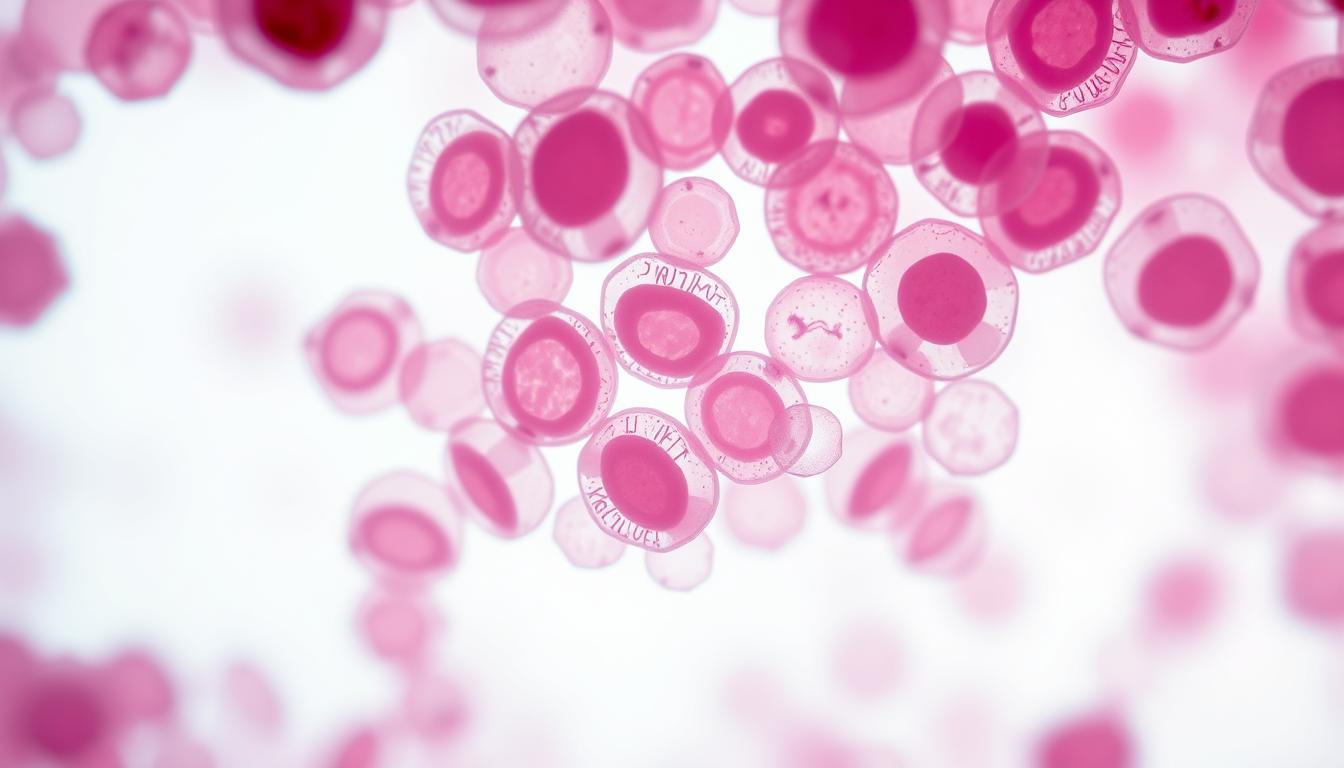
Ever wondered what secrets are hidden in a single drop of blood? Peripheral blood mononuclear cells (PBMCs) and buffy coat are key parts that open up new discoveries in medical research.
Blood is more than just a liquid; it’s a complex world of cells that are vital for our health. The study of whole blood fractionation, especially PBMCs and buffy coat, shows us amazing possibilities for science.
Scientists believe that learning about these tiny parts can change how we do immunology, diagnostics, and personalized medicine. By exploring PBMCs vs buffy coat, researchers can find new ways to help people in medical studies.
Key Takeaways
- PBMCs contain critical immune system cells essential for medical research
- Buffy coat provides a concentrated source of blood components
- Whole blood fractionation enables precise cellular analysis
- Peripheral blood mononuclear cells represent a dynamic research tool
- Understanding blood component variations supports advanced medical investigations
Introduction to Blood Components
Blood is a complex fluid that’s vital in medical research and human health. It has many cellular parts that help us understand how our immune system works and the role of leukocyte-rich plasma.
Looking at whole blood, we find a mix of cells that are key to keeping us healthy. Each cell has a special job in our body’s functions.
Overview of Peripheral Blood
Peripheral blood is made up of several important parts:
- Red blood cells (erythrocytes)
- White blood cells (leukocytes)
- Platelets (thrombocytes)
- Plasma
“Understanding blood components is fundamental to advancing medical research and diagnostic techniques.” – Immunology Research Institute
Importance of Blood Components in Research
Blood components are vital in many scientific studies. Researchers use different parts of blood to study:
- How our immune system works
- How cells interact
- What causes diseases
- New treatments
| Blood Component | Research Significance | Typical Applications |
|---|---|---|
| White Blood Cells | Immune system analysis | Immunology studies |
| Platelets | Clotting mechanism research | Hematological investigations |
| Plasma | Protein and molecular studies | Biomarker discovery |
Leukocyte-rich plasma is a valuable tool for researchers. It helps us understand how cells talk to each other and how our immune system works.
What are PBMCs?
Peripheral blood mononuclear cells (PBMCs) are key parts of our immune system. They help us understand how our bodies work. This is important for research in immunology.
PBMCs make up about 60% of white blood cells in adults. They have special jobs that keep us healthy.
Definition of PBMCs
PBMCs are blood cells with a round nucleus. They include lymphocytes and monocytes. Scientists use special methods to get these cells for research.
Types of Cells in PBMCs
PBMCs have different types of cells:
- T Cells (60%): The biggest group
- T Helper Cells: 70% of T Cells
- Cytotoxic T Cells: 30% of T Cells
- Monocytes/Macrophages: 15%
- B Cells: 10%
- Natural Killer Cells: 15%
Applications of PBMC Research
Research uses PBMCs for many important studies. These include:
- Vaccine development
- Studying autoimmune diseases
- Immunotherapy for cancer
- Learning about our immune system
Scientists can get about 0.5-3 x 10^6 cells from one milliliter of blood. This makes PBMCs very useful for research.
Definition and Significance of Buffy Coat
The buffy coat is a key part of blood separation. It’s a thin layer that forms during centrifugation. It’s packed with white blood cells and platelets, vital for scientific studies.
In the world of blood, the buffy coat is special. It sits between plasma and red blood cells. This makes it perfect for studying how cells interact.
Understanding the Buffy Coat Layer
The buffy coat is full of different cells important for studying the immune system. It has:
- Typically holds 75-100 mL of blood components
- Contains monocytes, lymphocytes, and granulocytes
- Represents approximately 1% of the total blood sample after centrifugation
- White blood cells are 10-20 times more concentrated compared to whole blood
Role of Buffy Coat in Clinical Studies
Researchers use buffy coat for many important studies. Its unique mix of cells helps in understanding the immune system. It’s also key for making vaccines and improving diagnostic tests.
The buffy coat represents a microcosm of cellular diversity, offering researchers unprecedented insights into human immune responses.
| Cell Type | Percentage in Buffy Coat | Research Significance |
|---|---|---|
| Lymphocytes | ~40-50% | Immune system analysis |
| Monocytes | ~10-20% | Inflammatory response studies |
| Granulocytes | ~30-40% | Infection research |
By studying the buffy coat, researchers can make big strides in science. They learn more about how cells work together and how our immune system fights off diseases.
Differences Between PBMCs and Buffy Coat
It’s important for researchers to know the differences between peripheral blood mononuclear cells (PBMCs) and buffy coat. These blood parts have different roles in science and medicine.
The main difference is in what cells they contain and how they are separated. Both come from blood, but they are not the same.
Cellular Composition Comparison
Buffy coat has a mix of blood parts, including:
- Platelets
- Leukocytes
- Granulocytes
- Monocytes
- Lymphocytes
PBMCs, on the other hand, are mostly:
- Monocytes
- Lymphocytes
- With a bit of granulocyte
Isolation Techniques
To get PBMCs, researchers use density gradient centrifugation. This method involves a few steps:
- Dilute buffy coat with PBS at a 1:1 ratio
- Centrifuge at 900 × g for 22 minutes
- Transfer PBMC layer carefully
- Perform a second centrifugation at 250 × g
Research Applications
Researchers often choose PBMCs for their purity. Ficoll separation helps get a focused cell population for detailed studies.
Checking the quality of PBMCs is key. This ensures they are good for complex research.
Collection Methods for PBMCs
Peripheral blood mononuclear cells (PBMCs) are key in biomedical research. They need precise isolation methods. Scientists use special techniques to get these cells from blood samples.
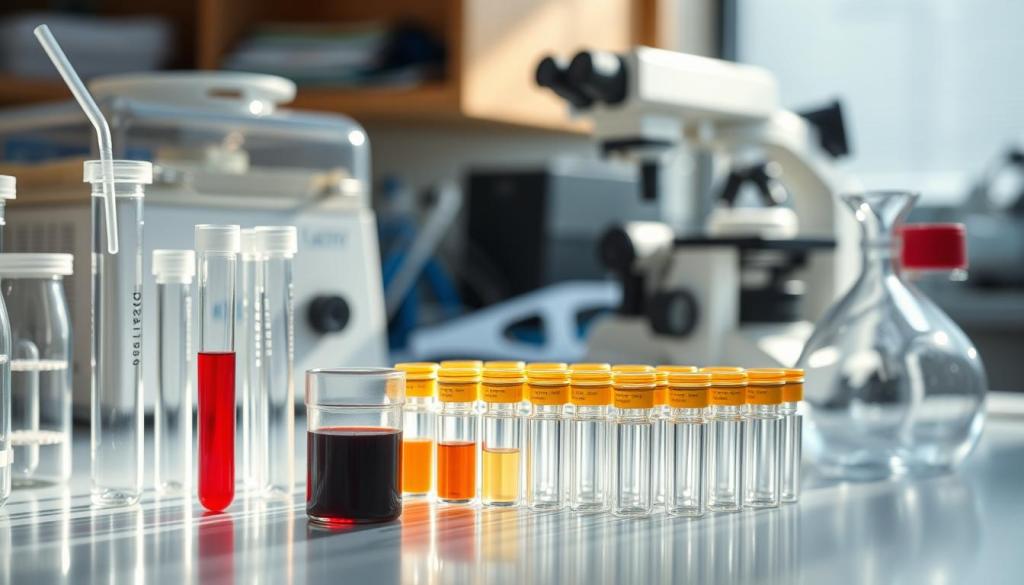
The first step in isolating lymphocytes is preparing the blood sample. Researchers follow a detailed process to get high-quality cells.
Blood Sample Preparation
Effective PBMC collection involves several key steps:
- Collect fresh blood samples using sterile collection tubes
- Dilute whole blood with phosphate-buffered saline (PBS)
- Maintain proper sample temperature during processing
Centrifugation Process
Density gradient centrifugation is vital for separating PBMCs. It uses the different densities of blood components.
- Layer diluted blood over density gradient medium
- Centrifuge at 900 × g for approximately 22 minutes
- Carefully extract the mononuclear cell layer
Preservation of PBMCs
Keeping cells in good condition is essential for research. There are two main ways to do this:
- Cryopreservation: Freezing cells in liquid nitrogen
- Short-term refrigeration for immediate use
Approximately 2 million PBMCs exist per milliliter of peripheral blood, making careful isolation critical for research precision.
The isolation process needs careful attention. Researchers use special materials like Ficoll or Percoll for the best cell separation.
Collection Methods for Buffy Coat
Whole blood fractionation is key in biomedical research. Buffy coat isolation is crucial for understanding cell dynamics. Collecting buffy coat needs precision and special techniques to keep samples good for research.
Researchers working with leukocyte-rich plasma must know the detailed steps of buffy coat collection. The process has several important stages. These stages help keep cells preserved and working well.
Blood Sample Collection
Starting buffy coat collection with the right blood sample is important. The timing of when you collect blood matters a lot. Research shows big differences between fresh and overnight blood samples:
- Fresh Blood Buffy Coats (FB BC) processed within 6 hours post-donation
- Overnight Blood Buffy Coats (ON BC) processed approximately 18 hours after donation
- Less than 1% of whole blood contains white blood cells and platelets
Isolation Techniques
Centrifugation is the main way to separate buffy coat. It makes a layer of white blood cells, making them 10-20 times more concentrated than before.
“The buffy coat constitutes approximately 1% of the sorted whole blood sample after centrifugation.” – Biomedical Research Insights
Quality Control Measures
Keeping sample quality high means watching cell characteristics closely. Important things to check include:
- Monocyte viability above 88%
- Tracking cell population distributions:
- Granulocytes: 42–77%
- Lymphocytes: 20–44%
- Monocytes: 2–9.5%
New technologies like BACS (buoyancy activated cell sorting) make workflows simpler. They reduce cell death and improve sample quality.
Applications of PBMCs in Immunology
Peripheral blood mononuclear cells (PBMCs) are key in immunology research. They help scientists understand the immune system and find new treatments.
PBMCs are vital for studying cellular therapy and lymphocyte isolation. They help scientists learn about immune responses and create new medical treatments.
Studying Immune Responses
Researchers use PBMCs to study how our immune system reacts to different challenges. Since lymphocytes make up 70-90% of PBMCs, they offer great research chances:
- Analyzing cellular interactions
- Mapping immune signaling pathways
- Understanding pathogen resistance mechanisms
Vaccine Development
Immunology research relies on PBMC analysis for vaccine design. Scientists can see how the immune system reacts and make better vaccines by studying these cells.
| PBMC Research Area | Key Applications |
|---|---|
| Vaccine Design | Antibody response evaluation |
| Immune Monitoring | T-cell and B-cell characterization |
| Cellular Therapy | Immunomodulation strategies |
Cancer Research
PBMCs are crucial in finding new cancer treatments. Scientists study how immune cells fight cancer cells. This could lead to targeted treatments.
PBMCs are very useful in science. They help us understand the immune system and find new medical solutions.
Buffy Coat Applications in Diagnostics
The buffy coat is key in biomedical research, giving insights into many medical areas. It’s made during blood separation and has lots of white blood cells and platelets. These cells are very useful in many studies.
Platelet Function Studies
Scientists use buffy coats to study platelet functions. This helps them understand how blood cells work and interact.
- Analyze platelet characteristics and performance
- Investigate potential disease markers
- Develop advanced diagnostic techniques
Role in Transfusion Medicine
Buffy coats are important in transfusion medicine. They help doctors improve blood product quality and patient care.
| Diagnostic Application | Key Benefit |
|---|---|
| Circulating Tumor Cell Detection | Cancer Research Support |
| Pathogen Identification | Quick Diagnostic Screening |
| Genetic Research | DNA Extraction Efficiency |
Buffy coats can find blood parasites like malaria and study genetic markers. Medical researchers keep finding new uses for this valuable resource, improving diagnostic medicine.
Challenges in Handling PBMCs and Buffy Coat
Researchers working with peripheral blood mononuclear cells face big challenges. These challenges affect how we use these cells in therapy and in breaking down whole blood. Keeping these cells safe requires careful attention to many details during collection, processing, and storage.
The success of working with peripheral blood mononuclear cells depends on several important factors:
- Precise timing of blood sample processing
- Optimal temperature control
- Contamination prevention strategies
- Careful cryopreservation techniques
Storage Stability Concerns
Time is very important for keeping PBMCs alive. Studies show that waiting too long to process the blood can harm the cells:
| Processing Time | PBMC Recovery | Viability Impact |
|---|---|---|
| 8 hours | 83% | 96% |
| 24 hours | 53% | 92% |
Contamination Risks
Granulocyte contamination is a big risk in cell research. Studies found that granulocyte levels can jump up 11.3-fold in 24 hours after blood is taken. This can stop T cell growth in about 75% of samples.
To lower contamination risks, experts suggest:
- Process blood samples within 8-12 hours
- Use the right anti-coagulants like lithium heparin
- Store samples under gentle agitation if you can’t process them right away
- Keep the temperature just right during handling
Researchers need to follow strict protocols to get the best PBMCs for therapy and research.
Conclusion: Importance of Understanding PBMCs and Buffy Coat
Exploring PBMC vs buffy coat gives us key insights for immunology and biomedical research. Knowing the different cell types and how to isolate them helps scientists do better research. Blood cells like PBMCs are great for studying the immune system in detail.
New studies show how valuable these blood parts are. They can be isolated with a 98% success rate, opening up new research paths. The complex ways to separate cells let scientists study lymphocytes and monocytes closely. This is key for understanding diseases and finding new treatments.
Future research will aim to improve how we isolate these cells and use them in more ways. The unique mix of cells in buffy coat, with its granulocytes and lymphocytes, will help in making more focused studies. This could lead to big advances in vaccines and personalized medicine.
Advancing Scientific Understanding
As research keeps growing, knowing more about PBMCs and buffy coat will be crucial. Scientists need to keep working on better ways to isolate these cells and understand their complex interactions.
FAQ
What are Peripheral Blood Mononuclear Cells (PBMCs)?
PBMCs are key to our immune system. They include lymphocytes, monocytes, and dendritic cells. These cells help fight off infections and are used in many research studies.
How is buffy coat different from PBMCs?
Buffy coat is a layer of white blood cells and platelets from blood. PBMCs are a specific type of white blood cell. Buffy coat has a mix of cells, while PBMCs are more purified.
What are the primary research applications of PBMCs?
PBMCs help us understand how our immune system works. They are used in vaccine development and cancer research. They help us find new ways to treat diseases.
How are PBMCs isolated from whole blood?
PBMCs are isolated using a method called density gradient centrifugation. This involves layering blood over a medium and then separating the cells. The mononuclear cell layer is then carefully taken from the top.
What challenges do researchers face when working with PBMCs?
Researchers face challenges like keeping cells alive and preventing contamination. They also need to manage cell degradation and ensure consistent quality. Proper handling and storage are key.
What is the significance of buffy coat in medical research?
Buffy coat is important for studying white blood cells and platelets. It helps in diagnosing diseases and supports research and clinical applications.
How long can PBMCs be stored for research purposes?
PBMCs can be stored in liquid nitrogen or at very low temperatures for a long time. Specialized freezing media is used to keep the cells alive and functional.
What are the key cell types found in PBMCs?
PBMCs contain lymphocytes, monocytes, and dendritic cells. Each type has a unique role in fighting infections. This makes PBMCs very valuable for research.
What techniques are used to collect buffy coat?
Buffy coat is collected through centrifugation of whole blood. This separates the blood into different components based on density. Special protocols and quality control are used to ensure purity and viability.
Can PBMCs be used in personalized medicine approaches?
Yes, PBMCs play a big role in personalized medicine. They help in developing treatments tailored to individual patients. This is especially useful in treating cancer and autoimmune diseases.





Leave a Comment
Your email address will not be published. Required fields are marked *