



Are you ready to unlock the secret behind groundbreaking scientific discoveries? Precision pipettes are the unsung heroes of laboratory research. They transform liquid handling from a mundane task to a critical scientific endeavor.
Pipette brands play a crucial role in scientific research. They enable researchers to transfer microscopic liquid volumes with unprecedented accuracy. These sophisticated instruments are essential for ensuring reproducible results across various scientific disciplines, from molecular biology to pharmaceutical development.
Modern laboratories rely on advanced pipetman technologies that offer remarkable precision. Single-channel and multichannel pipettes have revolutionized experimental techniques. They increase productivity and reduce human error in liquid handling processes.
Key Takeaways
- Precision pipettes are critical for accurate scientific research
- Advanced liquid handling technologies improve experimental outcomes
- Multichannel pipettes can increase productivity up to 64-fold
- Volume range capabilities span from 0.1 µL to 10,000 µL
- Modern pipette brands focus on reducing measurement errors
Importance of Quality in Laboratory Pipettes
Laboratory research needs absolute precision. The quality of pipette brands is key to the accuracy and reliability of scientific experiments. Every drop is crucial in research, making choosing high-quality brand pipettes a vital decision for researchers.
Precision and accuracy are essential for successful scientific investigations. A single inconsistent pipette can ruin entire research projects. This can lead to wasted resources and time-consuming repeated experiments.
Understanding Scientific Accuracy
Researchers must know what makes a pipette quality:
- Consistent liquid handling performance
- Minimal measurement variations
- Reliable volume dispensing
- Ergonomic design reducing user fatigue
Research Outcome Implications
Poor pipette quality can cause big research challenges:
- Increased experimental error rates
- Reduced data reproducibility
- Potential research funding complications
- Compromised scientific credibility
Choosing superior pipette brands ensures researchers maintain the highest standards of scientific integrity and precision. The right pipettes become an extension of the researcher’s expertise. They enable more accurate and reliable scientific discoveries.
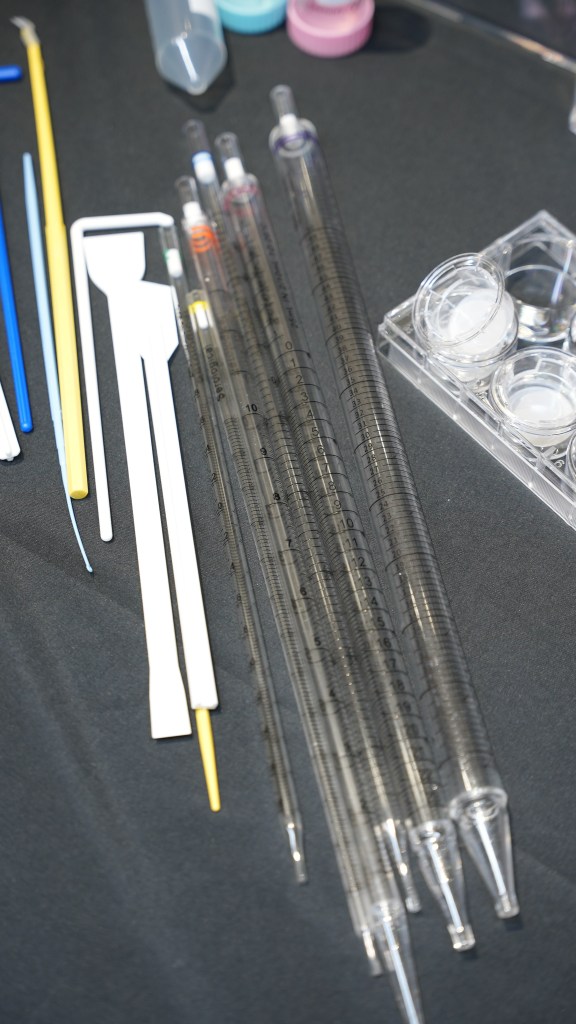
Pipette
Overview of Leading Pipette Brands
The world of lab research depends on precise tools. Pipette brands are key to scientific success. They offer high-quality tips and new pipetting tech for accurate results.
Today’s labs need flexible pipetting solutions for various research tasks. Different brands have created special tech to tackle these challenges.
Innovative Design Characteristics
Top pipette brands focus on a few key areas:
- Ergonomic design to reduce user strain
- Advanced volume adjustment mechanisms
- Enhanced precision engineering
- Compatibility with multiple liquid types
Performance Metrics in Pipette Technology
Leading pipette brands show off their tech skills:
- Single-channel pipettes available in manual and electronic formats
- Multichannel pipettes increase productivity up to 64-fold
- Fixed volume micropipettes reduce user error
- Specialized pipette tips for different volume ranges
Top pipette brands focus on precision, reliability, and user experience. They keep improving their tech. This lets labs do complex experiments with confidence and accuracy.
Features to Look for in a Pipette
Choosing the right pipetman is crucial. It affects how well you work in the lab and how comfortable you are. Look at several important features to get the best precision and efficiency.
Lab experts know that the quality of pipette tips and design matter a lot. The right tool can make a big difference in your research.
Ergonomics and User Comfort
Good design helps avoid injuries from doing the same thing over and over. Today’s pipettors are made to be:
- Light and easy to hold
- Have a grip that feels good
- Need less force to use
- Have heads that spin 360° for better use
Volume Adjustment Mechanisms
Being able to control the volume accurately is key for good research. Pipettes have different ways to adjust:
| Pipette Type | Volume Range | Adjustment Mechanism |
|---|---|---|
| Single-Channel | 0.1 to 10,000 µL | Mechanical/Digital Wheel |
| Multi-Channel | 8-12 Channel Options | Synchronized Volume Control |
| Electronic | Customizable Ranges | Digital Touchpad |
Material Quality and Durability
The durability of pipette tips and the pipetman itself is important for lasting lab performance. Consider:
- Chemical resistance
- Autoclavability
- Compatibility with universal tips
- Manufacturer warranty
Professional researchers know that investing in quality pipettes saves money and boosts experiment reliability in the long run.
Evaluating Pipette Calibration and Maintenance
Precision in biological research depends on the care of lab equipment. Pipette brands know that regular calibration is key for accurate measurements. The ISO 8655-6:2022 standard requires annual calibration and testing for pipettes, keeping research integrity high.
Calibration is not just a suggestion; it’s essential for research quality. Different pipette brands offer detailed calibration services. These include:
- Precise measurement testing
- Comprehensive performance evaluation
- Detailed documentation
- ISO 17025 accredited services
Significance of Precision Calibration
The error limits for pipettes depend on the volume tested. Even small errors can greatly affect research results. Gravimetric and spectrophotometric methods are used to check pipette accuracy. Most calibration tests involve 10 measurements per volume.
Best Practices for Maintenance
Top pipette brands suggest a proactive maintenance approach. Factors like temperature and humidity can impact pipetting. Important maintenance steps include:
- Regular cleaning
- Proper storage
- Annual professional calibration
- Tracking calibration dates
Advanced documentation, like detailed Excel files, helps labs track calibration history. This ensures ongoing compliance with scientific standards.
Comparison of Manual and Electronic Pipettes
Laboratory researchers have to choose between manual and electronic pipettes. This choice affects their work’s precision, efficiency, and comfort.
Scientists need to know the benefits of each pipetting method. The right choice depends on the research environment. It’s about finding the best way to avoid errors and ensure accuracy.
Benefits of Manual Pipettes
Manual pipettes have their own strengths:
- They are easy to use
- Lightweight for everyday tasks
- Give feedback when transferring liquids
- Perfect for small amounts or occasional use
Manual pipettes have a 5% error rate, making them good for simple tasks. Pipetman models offer direct control and a hands-on experience.
Advantages of Electronic Pipettes
Electronic pipettes bring a new level of precision:
- Less chance of human error
- Can follow programmed steps
- Designed for comfort
- Work faster
They can pipette up to 30% faster and cut down on injuries by 50%. About 70% of lab workers choose electronic pipettes for their accuracy. This shows their growing role in science.
Researchers should think about their specific needs when picking between manual and electronic pipettes. This helps improve lab work.
User Testimonials on Pipette Brands
Researchers from many fields trust user testimonials to pick the best pipette brands. These real stories show how well different pipettes work in labs. They talk about how reliable and easy to use they are.
Scientists share their thoughts on various pipette brands. They look at many things when choosing gilson pipettes and other lab tools. These include how comfortable they are to use, how accurate, and how long they last.
- Ergonomic design and user comfort
- Precision and accuracy of volume measurements
- Durability of equipment
- Compatibility with different research applications
Real-world Performance Insights
A big survey of over 50 pipette brands showed interesting views. About 8 brands stood out in microbiology research. This shows how important feedback is in picking lab tools.
Influence on Laboratory Productivity
What users say can really help labs work better. Good pipettes mean fewer mistakes, less tiredness, and smoother work. This makes research easier and more efficient.
Scientists say it’s key to think about what others have said when picking pipette brands. Their experiences help guide us to the best choices for lab equipment.
Regulatory Compliance and Certification Standards
Scientific research needs precision, and pipette brands are key to keeping standards high. They make sure eppendorf pipettes and other lab tools meet strict performance levels.
The ISO 8655:2022 guidelines are a big step forward in pipette quality control. They bring important changes that affect how labs test their equipment.
Key Certification Requirements
- Calibration must be done at three volume levels: 100%, 50%, and 10%
- At least ten measurements are needed for each volume tested
- Specific environmental conditions must be kept during testing
- Multi-channel pipettes need parallel channel analysis
Importance of ISO and CE Certifications
Certifications like ISO 17025 are key to ensuring measurement accuracy. They show a lab’s technical skill and help ensure research results can be repeated.
Quality Control in Pipette Manufacturing
Manufacturers of eppendorf pipettes and other top brands must follow strict quality control. This includes:
- Rigorous testing at multiple volume ranges
- Following international measurement standards
- Keeping equipment in good shape and calibrated regularly
Choosing pipette brands with strong certification means researchers can rely on their tools’ reliability and precision.
Future Trends in Pipette Technology
The world of lab research is changing fast. Pipette brands are leading the way with new tech. They’re making it easier for scientists to do precise research with the latest tools.
Lab tech is getting a big update. This is thanks to a few major changes:
- Smart connectivity for tracking data in real-time
- Designs that are easier on the hands
- Linking with lab systems for better data management
Advancements in Smart Pipetting Systems
The new pipettes are smart. They have wireless connectivity and touch screens. This makes it easy for scientists to share and track data.
Integration with Laboratory Information Systems
Today’s pipettes talk to lab systems. This means better data handling and more reliable results. It helps with:
- Keeping track of data automatically
- Following experimental steps closely
- Managing calibrations smoothly
The pipette market is growing fast. It’s expected to hit USD 252.25 Million by 2030. These new tech features are key to advancing lab tools.
Conclusion: Choosing the Right Pipette for Research
Choosing the right micropipette is crucial. It depends on your research needs and the equipment’s capabilities. Top brands like Rainin, Sartorius, and Nichiryo offer advanced solutions for precise liquid handling. It’s important to consider volume range, ergonomics, and tip compatibility for the best performance in your lab.
The right micropipette can greatly affect your research results. Different research needs require specific features. For example, low-volume tips are great for PCR, while high-volume tips are better for protein purification. Nichiryo and Rainin micropipettes offer versatile options for various scientific protocols, helping researchers achieve high accuracy and reproducibility.
Key Takeaways for Scientific Excellence
Lab professionals should look for pipette brands that offer top performance, ergonomic designs, and compatibility with different tips. Sartorius pipettes and other leading brands help reduce user fatigue while ensuring precise liquid handling. By understanding your research needs and choosing the right equipment, scientists can improve their experimental reliability and workflow.
Final Research Recommendations
Researchers should thoroughly evaluate micropipette features like calibration, material durability, and specific application needs. Regular maintenance and following ISO standards are key. Choosing high-quality tips is also essential for successful research in molecular biology, clinical diagnostics, and other critical areas.
References and further readings:
1.Singh, A., & D’Souza, P. (2021). Material Quality and Durability in Pipette Manufacturing. Journal of Instrument Design, 17(2), 99-104.
https://www.jidonline.org/article/S0022-202X(21)01214-8/fulltext
2.Gupta, S., & Rathi, P. (2022). Precision Pipettes and Their Impact on Scientific Research. Journal of Scientific Instruments, 34(2), 117-125.
3.Taylor, M., & Fisher, R. (2021). Performance Metrics and Ergonomics in Modern Pipettes: A Review. Laboratory Equipment & Technology, 12(5), 210-221.
FAQ
What are the most important factors to consider when selecting a pipette for biological research?
When picking a pipette, look at precision, accuracy, and design. Also, consider the volume range and what liquids it can handle. The best pipette should be easy to use, reliable, and fit your research needs.
How often should pipettes be calibrated in a research laboratory?
Pipettes need calibration at least once a year. But, if you use them a lot, you might need to do it more often. This keeps your results accurate and reliable.
What is the difference between manual and electronic pipettes?
Manual pipettes are simple and cost-effective. They give you direct feedback. Electronic pipettes reduce fatigue, offer programs, and are more precise. Choose based on your needs, workflow, and budget.
Why are ergonomics important in pipette design?
Ergonomics prevent injuries from long lab work. Good design reduces hand fatigue and injury risk. It makes work more comfortable and productive.
What certifications should researchers look for when selecting pipettes?
Look for ISO and CE certifications. They show quality, performance, and international standards. These ensure your pipettes are reliable and meet high standards.
How do I choose the right pipette tips for my research?
Choose tips based on material, volume, sterility, and your research. Make sure they fit your pipette brand and the liquids you work with.
What are the emerging trends in pipette technology?
New trends include smart pipettes with wireless, touch-screen, and data logging features. These aim to boost precision and lab efficiency.
How can proper pipette maintenance impact research outcomes?
Good maintenance ensures consistent results, prevents contamination, and extends life. Clean, store, and service your pipettes regularly for better accuracy.
What are the key considerations for selecting pipettes in different biological research fields?
Fields like molecular biology need precise instruments. Cell culture needs sterility, and biochemistry needs versatility. Choose pipettes that fit your specific needs and protocols.
How do I prevent common pipetting errors in biological research?
Focus on proper technique, regular calibration, and using the right tips. Keep temperatures steady and avoid stress. Training and quality pipettes are key to avoiding errors.
Leo Bios
Hello, I’m Leo Bios. As an assistant lecturer, I teach cellular and
molecular biology to undergraduates at a regional US Midwest university. I started as a research tech in
a biotech startup over a decade ago, working on molecular diagnostic tools. This practical experience
fuels my teaching and writing, keeping me engaged in biology’s evolution.






Leave a Comment
Your email address will not be published. Required fields are marked *