



What pipette is truly safe when working with corrosive chemical solutions that can destroy standard laboratory equipment in seconds?
Laboratory professionals face big challenges when dealing with strong acids. They need pipettes that can handle extreme chemical environments. These pipettes must be made of strong materials and be well-engineered to avoid safety risks.
It’s important for researchers to know about acid-resistant pipettes. They help in safely transferring liquids. Materials like polypropylene and polytetrafluoroethylene (PTFE) are key for safe chemical handling in science.
Modern labs need advanced tools to handle reactive substances safely. Choosing the right pipettes means looking at their materials, chemical resistance, and durability.
Key Takeaways
- Specialized pipettes are essential for safe strong acid handling
- Material selection critically impacts chemical resistance
- Proper pipette choice reduces contamination risks
- Chemical compatibility determines equipment performance
- Advanced polymers enhance laboratory safety standards
Understanding the Importance of Pipette Selection
Choosing the right tools is key to laboratory precision. Acid-resistant pipettes are crucial in scientific research, especially with corrosive substances. They help researchers handle strong acids safely, thanks to their durability.
Pipetting is a basic task in labs. The success of experiments depends on the quality of pipettes used.
The Role of Pipettes in Chemical Handling
Pipettes have different uses in handling chemicals:
- Air displacement pipettes for standard liquid transfers
- Positive displacement pipettes for viscous or volatile substances
- Variable volume pipettes for flexible laboratory work
“Precision in pipetting is not just a technique, it’s a scientific necessity.”
Why Strong Acids Require Specialized Equipment
Standard pipettes can’t handle strong acids well. Acid-resistant pipettes are made with special materials to avoid damage and keep researchers safe. They use:
- Advanced polymer compositions
- Chemically inert coatings
- Reinforced structural designs
The right pipette is vital for a safe and successful experiment. Researchers must think about material, chemical resistance, and precision when choosing.
Types of Pipettes Suitable for Strong Acids
Laboratory professionals face big challenges when picking the right pipettes for strong acids. They need to choose pipette tips that can handle concentrated acids safely and accurately.

Choosing the right pipette means knowing about different materials and how they resist chemicals. Glass pipettes are a top pick for many scientists because of their durability and precision.
Glass Pipettes: Precision and Challenges
Glass pipettes are great for handling chemicals because they’re very resistant and precise. They have:
- Excellent durability against corrosive substances
- High thermal stability
- Superior chemical inertness
But, glass pipettes can break easily during tough lab work.
Plastic Pipettes: Modern Solutions
Modern plastic pipettes have changed how we handle acids. They use new materials that are very resistant to chemicals.
| Material | Chemical Resistance | Temperature Tolerance |
|---|---|---|
| Polypropylene | High resistance to dilute acids | Up to 130°C |
| PTFE | Exceptional resistance to strong acids | Up to 260°C |
Innovative Pipette Designs
New technology has brought pipettes made just for acid work. These new designs focus on:
- Enhanced chemical resistance
- Improved ergonomic designs
- Reduced risk of contamination
The future of lab tools is in materials that can handle tough chemical reactions.
Lab workers and managers need to look closely at pipette features to get the best results with strong acids.
Features to Look for in Acid-Resistant Pipettes
Choosing the right pipette for strong acids is crucial. You need equipment that can handle corrosive environments safely. It must also be precise and safe for users.
Material Composition and Durability
Material choice is key when working with strong acids. Polypropylene is great for resisting water and dilute acids. Look for materials that:
- Resist corrosive substances well
- Stay strong even after repeated use
- Don’t break down when exposed to acids
Ergonomic Design for Safe Handling
Electronic pipettes are better for your hands. They have ergonomic controls that reduce injury risk. This is compared to old-style mechanical pipettes.
Volume Accuracy and Precision
Getting reliable results means using pipettes with great volume control. Consider these important points:
| Pipette Feature | Performance Impact |
|---|---|
| Adjustable Volume Range | Allows for flexibility in different experiments |
| Digital Volume Control | Boosts measurement accuracy |
| Self-Calibration System | Keeps accuracy consistent without needing a technician |
Precision in pipetting is not just about equipment, but understanding the nuanced interactions between liquid, tool, and technique.
When picking pipettes, think about material, design, and volume control. This ensures safe and accurate handling of acids in labs.
Best Practices for Using Pipettes with Strong Acids
Laboratory experts know that choosing the right pipette for acidic solutions is key. The right materials for pipettes are vital for safety and accuracy in lab work.

Working in a lab with corrosive substances needs strict rules. Researchers must follow detailed steps to keep equipment and people safe.
Pre-Use Inspection and Maintenance
Getting pipettes ready involves several important steps:
- Look for any damage or wear on pipettes
- Check seals and O-rings for chemical damage
- Make sure pipettes are calibrated before using strong acids
- Ensure pipettes are compatible with the acid
Proper Handling Techniques
When using pipettes with strong acids, special care is needed:
- Always wear the right protective gear
- Move slowly and carefully when transferring liquids
- Keep pipettes straight to avoid spills
- Use tips that resist chemicals
Post-Use Cleaning Procedures
Cleaning pipettes well is crucial for their performance and safety.
| Cleaning Step | Recommended Action |
|---|---|
| Immediate Rinse | Use a solvent to remove acid |
| Detailed Cleaning | Clean each part of the pipette |
| Drying Process | Let it air dry before using again |
*Keeping pipettes in good shape prevents accidents and ensures reliable results.*
By following these guidelines, scientists can make labs safer and more reliable when working with strong acids.
Safety Gear and Protocols for Acid Handling
Working with strong acids requires strict safety rules. Labs must have strong safety steps when using pipettes for acids. This is to keep workers safe from chemical dangers.
Recommended Personal Protective Equipment (PPE)
Choosing the right PPE is key when dealing with acids. The right gear can greatly lower the risks of using pipettes for acids.
- Safety goggles or chemical splash goggles
- Acid-resistant nitrile gloves
- Full-length lab coats
- Face shields for extra protection
- Closed-toe protective footwear
Emergency Procedures for Acid Exposure
Quick action is vital in acid exposure cases. Lab workers need to know how to act fast:
- Skin contact: Rinse with water for at least 15 minutes
- Eye exposure: Flush with water right away
- Inhalation: Get to fresh air fast
- Get medical help right away
“Safety is not an accident. It is a deliberate and continuous process of preparation and awareness.”
Importance of Chemical Spill Kits
Every lab with strong acids needs a chemical spill kit ready. These kits are key for safe and quick acid spill cleanups when using pipettes for acids.
- Include neutralizing agents like sodium bicarbonate
- Provide disposable absorbent materials
- Contain protective equipment for cleanup
- Include detailed emergency instructions
Good training, the right gear, and being ready are the basics of lab safety with strong acids.
Alternative Methods for Acid Transfer
Laboratory experts dealing with strong acids need special techniques. Safety pipettes for corrosive liquids are just one way to handle chemicals. Learning about other methods can make labs safer and more efficient.
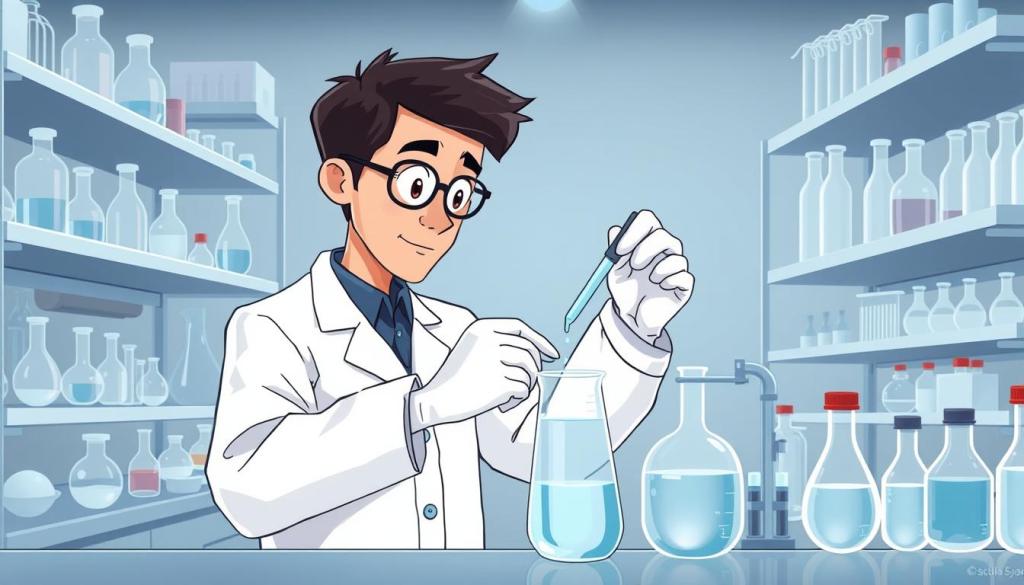
Many strategies exist for handling dangerous chemicals. Each has its own benefits for acid-resistant pipettes and managing liquids.
Syringes and Precision Dispensers
Special syringes are great for moving concentrated acids. They offer:
- Less direct contact with harmful substances
- Exact volume control
- Less chance of spills
Automated Liquid Handling Solutions
Today’s labs often use automated systems for acid transfer. These systems bring:
- Better safety measures
- Accurate volume every time
- Less chance of mistakes
Transfer Method Comparison
There are two main ways to transfer strong acids: gravity feed and mechanical transfer. Each has its own safety features for corrosive liquids.
“Precision in acid transfer is not just about technique, but about protecting human life and laboratory integrity.” – Laboratory Safety Expert
Gravity feed uses natural flow, while mechanical transfer uses pumps. The choice depends on the lab’s needs, the acid’s strength, and the equipment available.
Regulations and Guidelines for Acid Use in Laboratories
Understanding laboratory safety is key. Labs working with strong acids must follow strict rules. This ensures safety for everyone and protects the environment.
The Occupational Safety and Health Administration (OSHA) sets important rules for chemical safety. Lab managers must have strong safety plans for handling acids.
OSHA Standards for Chemical Safety
OSHA has several important rules for labs:
- Develop a detailed Chemical Hygiene Safety Plan (CHSP)
- Make sure all employees get safety training every year
- Use proper labels and keep records for chemicals
Lab Compliance with Environmental Regulations
Being environmentally friendly is crucial:
| Regulatory Aspect | Key Requirements |
|---|---|
| Chemical Waste Management | Follow proper disposal, tracking, and record-keeping |
| Exposure Control | Use engineering controls to reduce chemical exposure |
| Personal Protective Equipment | Everyone must wear the right safety gear |
“Safety is not an accident, but a deliberate and continuous process of risk management and prevention.”
Studies show labs with good safety plans can cut incidents by 50%. Most safety problems come from lack of supervision or training. This shows how important following rules is.
By keeping detailed records, offering ongoing training, and following OSHA and environmental rules, labs can be safe. This is especially true when working with strong acids and special equipment.
Training and Certification for Laboratory Staff
Laboratory safety is all about knowing how to handle strong acids safely. It’s not just about knowing how to pipette. It’s about understanding the risks and following the right steps.
Certification programs are key for safe acid handling. They teach staff the skills and knowledge needed to work with corrosive substances.
Essential Training Components
- Comprehensive safety protocol understanding
- Proper personal protective equipment (PPE) selection
- Emergency response techniques
- Chemical handling best practices
Certification Program Highlights
| Program Type | Key Focus Areas | Duration |
|---|---|---|
| Basic Laboratory Safety | Fundamental chemical handling | 1-2 days |
| Advanced Chemical Handling | Specialized acid pipetting techniques | 3-5 days |
| Professional Certification | Comprehensive safety and technical skills | 1-2 weeks |
Ongoing Education Requirements
Staff must take annual refresher courses to keep their certification. These courses keep them up-to-date with safety rules, new tech, and best practices in chemical handling.
“Continuous learning is the cornerstone of laboratory safety and precision.”
By investing in good training, lab staff can handle strong acids safely. This reduces risks and keeps research at the highest level.
Common Misconceptions about Pipettes and Strong Acids
Laboratory experts often face many myths about pipettes and acidic solutions. It’s key to know the truth to handle chemicals safely and accurately.
Scientists often get the wrong idea about pipette materials. These wrong beliefs can cause big mistakes in lab work. They can even ruin the results of experiments.
Debunking Myths in Pipette Use
- Myth: All pipettes work equally well with strong acids
- Fact: Different materials have varying chemical resistance
- Myth: Plastic pipettes are always safe for acid handling
- Fact: Material compatibility varies by specific acid type
Understanding Critical Compatibility Issues
Choosing the right pipette for acidic solutions needs careful thought. Several important factors come into play:
- Material composition directly impacts chemical resistance
- Temperature and concentration of acids affect pipette performance
- Microscopic surface interactions can compromise pipette integrity
“Precision in pipette selection is not a luxury, but a scientific necessity.” – Laboratory Safety Expert
About 30-40% of lab mistakes come from the wrong pipette choice. It’s crucial to understand how pipette materials react with chemicals. This ensures accurate and safe lab work.
Key Considerations for Acid-Resistant Pipettes
When picking pipettes for strong acids, lab experts must look at several things. They need to check material durability, chemical resistance, and the risk of damage. Pipettes made for specific acid conditions can greatly lower contamination and error risks.
Choosing the Right Suppliers for Lab Equipment
Finding the best supplier for pipettes for strong acids is crucial. Lab managers must look through many options to ensure safety and accuracy in handling chemicals.
When picking suppliers for pipettes for strong acids, researchers should look at key criteria:
- Proven expertise in making lab equipment
- A wide range of acid-resistant pipettes
- Strict quality control
- Good technical support
Evaluating Supplier Credentials
Finding reliable suppliers is more than just looking at product details. Researchers need to consider several factors for pipettes for strong acids:
- Certifications and industry recognition
- A history of innovative solutions
- Investments in global research and development
“The right supplier turns lab equipment into a precise tool.”
Critical Support Considerations
Strong customer support is key when using special pipettes for strong acids. Important points include:
- Full technical help
- Quick answers to equipment questions
- Useful product training resources
- Support for calibration and maintenance
Lab experts should choose suppliers with comprehensive support ecosystems. This support goes beyond just buying equipment. The right supplier can greatly improve research results.
Choosing the right supplier means labs get top-notch pipettes for tough chemical tasks. This protects researchers and keeps experiments reliable.
Future Trends in Pipette Technology for Strong Acids
Laboratory research is always looking to improve safety when working with corrosive liquids. New technologies are changing how scientists handle acids. They are making pipettes that are more precise and safe for chemical work.
Advancements in Materials Science
Specialty polymers are changing lab equipment. These materials are very resistant to chemicals and heat. They help pipettes stay strong and work well, even in harsh environments.
Smart Technologies in Laboratory Equipment
IoT technologies are making labs smarter. Digital burettes and smart pipettes now check themselves and log data. This makes labs more accurate and less prone to mistakes.
Looking ahead, labs might use fully automated tools. Microfluidics and sensors will make pipettes even better. This will lead to more reliable and efficient research in many fields.
FAQ
What makes a pipette suitable for handling strong acids?
A pipette for strong acids needs to be made from materials like special plastics or borosilicate glass. These materials resist corrosion and keep safe and accurate during lab work. They must be durable and keep precise volume measurements with acidic solutions.
Are glass or plastic pipettes better for transferring strong acids?
Both glass and plastic pipettes have their benefits. Glass is great for strong acids but breaks easily. Plastic, especially PFA or PTFE, is durable and less likely to break. The best choice depends on the acid and lab needs.
What personal protective equipment (PPE) is essential when using pipettes with strong acids?
When working with strong acids, you need acid-resistant gloves, goggles, a lab coat, and a face shield. These protect you from dangerous acids, reducing the risk of injury or exposure.
How often should acid-resistant pipettes be inspected and maintained?
Check acid-resistant pipettes before each use and maintain them every quarter. Look for chemical damage, check tips, ensure accuracy, and clean as recommended. Regular care stops contamination and keeps performance steady.
What are the emergency procedures if acid exposure occurs during pipetting?
If acid spills, act fast. Rinse the area with lots of water for 15 minutes. Remove clothes carefully and get medical help right away. Keep a spill kit and neutralizer ready. Follow your lab’s emergency plan for acid spills.
Can standard laboratory pipettes be used for strong acids?
No, standard pipettes aren’t safe for strong acids. Acid-resistant pipettes are made to handle corrosive substances safely. Using regular pipettes can damage equipment, cause reactions, and be dangerous. Always use pipettes made for strong acids.
How do I clean pipettes after handling strong acids?
To clean pipettes, rinse with distilled water and use a neutralizing solution if needed. Use the right cleaning solutions and remove all acid residue. Let it air dry and store in a clean place to keep it safe and working well.
What alternatives exist for transferring strong acids besides traditional pipettes?
Options include precision syringes, automated systems, and special dispensers. These reduce contact with acids and offer more safety and accuracy. The right choice depends on your lab’s needs and the acid type.




Leave a Comment
Your email address will not be published. Required fields are marked *