



Ever wondered how scientists handle tiny amounts of liquid in their work? The serological pipetter is key to this precision. It lets researchers move liquids with great accuracy.
Laboratory pipetting is a vital skill in science. Even small changes can affect the results of experiments. Serological pipetters help measure and move liquids from less than 1 milliliter to 50 milliliters with great precision.
These tools are crucial in many fields, like biology, medicine, and drug development. They help scientists work more accurately, cutting down on mistakes. This has changed how labs handle liquids today.
Key Takeaways
- Serological pipetters enable precise liquid transfers in scientific research
- They can handle volumes from 1 to 50 milliliters with high accuracy
- Critical for maintaining experimental consistency and reliability
- Used across multiple scientific and industrial sectors
- Essential for reducing human error in liquid handling
Understanding Serological Pipetters
Scientific precision starts with great liquid handling systems. Serological pipetters are key tools in labs. They help researchers move liquids with high accuracy and control.
A pipette dispenser is a basic tool for measuring and moving liquids in science. These tools are made to help with important research. They are very reliable.
Definition and Core Purpose
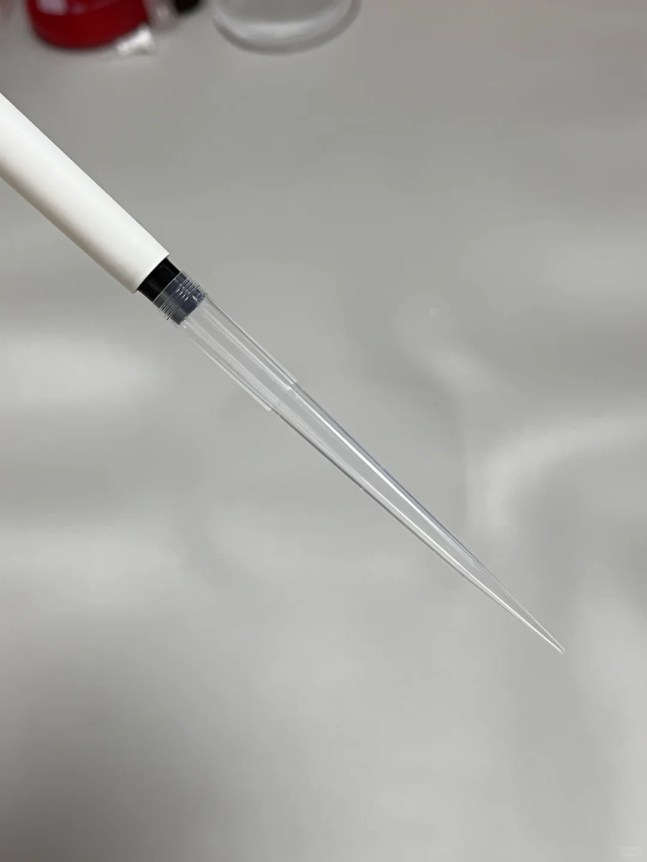
Serological pipettes are advanced liquid handling systems. They have long, graduated tubes. These tools let researchers measure liquids accurately over many volume ranges:
- Measure liquid volumes from less than 1 mL to 50 mL
- Deliver accurate transfers with 95% precision
- Support diverse laboratory applications
Key Features of Serological Pipetters
The success of a liquid handling system depends on several key design elements:
| Feature | Description | Significance |
|---|---|---|
| Graduated Markings | Precise volume indicators | Enables accurate measurements |
| Material Composition | Plastic or glass | Supports different research needs |
| Volume Range | 1 mL to 50 mL | Versatile liquid handling |
Researchers can pick between sterile disposable and reusable glass pipetters. Each has its own benefits for different lab settings.
Types of Serological Pipetters
Laboratory professionals use different serological pipetters for precise work. They pick the right tool for their research needs. This ensures accurate and reliable results.
Manual vs. Automatic Pipetters
Serological pipetters are mainly manual or automatic:
- Manual Pipetters: Need direct user control for precise work
- Automatic Pipetters: Use electronics for consistent handling
Manual pipetters rely on the user’s skill. Automatic ones reduce errors and boost reproducibility. The choice depends on the lab’s needs and budget.
Single-channel vs. Multi-channel Pipetters
Another key difference is the number of channels:
- Single-channel pipetters handle liquid one column at a time
- Multi-channel pipetters transfer liquid to many wells at once
Multi-channel pipetters speed up work in high-throughput labs. They save time and reduce errors. Labs doing cell culture, molecular biology, or diagnostics often use them.
Choosing the right pipetter is crucial. It depends on the needed precision, sample size, and research goals. The right choice ensures the best results.
Advantages of Using Serological Pipetters
Serological pipetters have changed how we handle liquids in labs. They bring unmatched precision and speed to many lab tasks. These tools help scientists get more accurate results and work more efficiently.
Enhanced Precision in Scientific Research
Precision is key in lab work. Serological pipetters offer top-notch accuracy in several ways:
- Less than 2% inaccuracy at full volume
- Graduated markings for precise volume increments
- Color-coded bands indicating volume ranges
- Calibrated to “to deliver” (TD) standard
Improving Laboratory Efficiency
Today’s labs need fast, error-free work. Serological pipetters help by:
- Making quick and consistent liquid transfers
- Lowering the chance of contamination
- Making sample prep easier
- Working well with advanced pipette controllers
Using advanced serological pipetters boosts lab work quality and results.
| Feature | Benefit |
|---|---|
| Volume Range | 1 mL to 50 mL |
| Accuracy Standard | ISO 9001:2008 Compliant |
| Sterilization Method | Gamma Irradiation |
| Contamination Prevention | Single-Use Design |
Using top-notch serological pipetters changes lab work. It helps scientists get better and more consistent results in many fields.
Applications in Laboratory Settings
Serological pipetters are key tools in many scientific fields. They help handle liquids with great accuracy. These pipette controllers are vital for research and testing in labs.
Scientists use automatic pipetting to make their work easier and more reliable. These tools help them in many areas of science.
Biological Research
In biological research, serological pipettes are very important. They help with:
- Cell culture maintenance and expansion
- DNA and protein sample preparation
- Precise enzyme assay execution
- Microorganism cultivation techniques
Clinical Diagnostics
Medical labs rely on pipette controllers for precise tests. This includes:
- Blood work analysis
- Urine sample processing
- Immunological testing
- Hematology examinations
Pharmaceutical Development
Pharmaceutical researchers use automatic pipetting for drug discovery. They focus on:
- Compound formulation
- Quality control testing
- Pharmacological screening
- Molecular interaction studies
The accuracy of serological pipetters is crucial for scientific progress. They are essential in today’s labs.
Choosing the Right Serological Pipetter
Choosing the right serological pipetter is key for good lab work. The right tool can make your experiments more accurate and efficient. Scientists need to think about several things when picking a pipetter for their research.
Lab experts should look at a few important things when making their choice:
- What the research needs
- How precise the volume needs to be
- How often they’ll use it
- How it fits into their lab workflow
Capacity Considerations
Serological pipetters vary in volume, from 1ml to 50ml. The right size depends on your lab’s needs. It’s important to match the pipetter’s size to your sample volumes for the best results.
- Small volume pipetters: Great for precise microbiology work
- Medium volume pipetters: Good for most clinical research
- Large volume pipetters: Best for moving big amounts of liquid
Compatibility with Lab Equipment
Lab pipetting works best when it fits with your existing gear. Scientists should check if the pipetter works well with:
- Sterilization methods
- Chemical resistance
- Automated systems
- Calibration standards
Choosing wisely means your pipetter will work well for a long time in different lab settings.
Best Practices for Using Serological Pipetters
Using a liquid handling system needs precision and careful technique. Serological pipetters are key tools in labs, requiring expert knowledge. This ensures accurate volume transfer and reliable experiments.

Lab work depends on knowing how to handle liquids well. Researchers must learn to avoid mistakes and keep experiments reliable.
Proper Technique for Liquid Handling
Accurate liquid transfer requires several steps:
- Choose the right pipette size for your needs
- Make sure the pipette filler is secure for a controlled vacuum
- Draw liquid a bit more than you need
- Adjust to the exact amount before you dispense it
“Precision in liquid handling is the cornerstone of reliable scientific research.”
Cleaning and Maintenance Guidelines
Cleaning serological pipetters is crucial:
- Clean them right after use
- Use the right sterilization solutions
- Do regular maintenance checks
- Keep them in clean, dry places
Professional labs know that proper maintenance makes instruments last longer. It also keeps them working well in complex experiments.
Innovations in Serological Pipetter Technology
Laboratory technology keeps getting better, leading to big steps in precision pipetting and microvolume dispensing. Today’s serological pipetters are changing science with their digital controls and designs that make labs better.
Digital Controls: Revolutionizing Liquid Handling
Digital tech has made serological pipetters much better. Now, they have advanced electronics with cool features for precise pipetting:
- Real-time volume display
- Programmable dispensing protocols
- Automated data logging capabilities
- Enhanced traceability of liquid transfers
These digital updates help scientists get super accurate with tiny amounts of liquid. The tech uses smart electronics and sensors to set a new high for lab tools.
Ergonomic Designs: Enhancing User Experience
Today’s serological pipetters focus on making users comfortable without losing precision. They have:
- Lightweight materials to prevent hand tiredness
- Adjustable handle setups
- Easy-to-use button layouts
- Less strain for longer use
The mix of digital controls and ergonomic design is a big step up in lab tech. It makes research more efficient and easier for users.
Common Challenges and Solutions
Laboratory experts often face issues with pipette controllers in serological applications. Knowing these problems and finding solutions can greatly enhance the accuracy and reliability of experiments.
Researchers deal with many technical problems during liquid handling. They need smart strategies to keep their work precise and reliable.
Overcoming Liquid Retention Issues
Liquid retention can ruin results in serological tests. To solve this, experts use several effective methods:
- Pre-wetting techniques for thick fluids
- Picking the right pipette tips with good surface properties
- Using reverse pipetting methods
- Choosing low-retention pipette tips
Addressing User Errors
User mistakes are a big problem in precise liquid handling. To reduce errors, consider these steps:
- Offer thorough training for lab staff
- Regularly calibrate pipette controllers
- Set up quality control checks
- Do repeated measurements to check results
Precision in serological tests requires focus on detail and strategies to cut down on errors. Lab workers must keep improving their methods to get reliable and accurate results.
Regulatory and Safety Standards

Laboratory safety is key in scientific research and clinical diagnostics. Serological pipetters are vital for precision and reliability in labs. Knowing the regulatory standards helps ensure safety and performance for lab workers.
Compliance with Laboratory Regulations
Professional labs must follow strict rules for automatic pipetting gear. Important rules include:
- ISO 9001 quality management certification
- FDA guidelines for medical device standards
- Clinical Laboratory Improvement Amendments (CLIA) protocols
- International standardization of serological pipetter performance
More than 33,000 clinical labs face new quality management system rules. This shows how crucial following these rules is for scientific work.
Ensuring User Safety
Safety for serological pipetters involves many steps to protect lab staff. Important safety steps include:
- Using the right personal protective equipment (PPE)
- Designing equipment to avoid repetitive strain injuries
- Training on handling hazardous materials
- Keeping automatic pipetting devices well-maintained and calibrated
The Centers for Disease Control and Prevention (CDC) offers lots of training. They have over 100 resources on safe lab practices and using equipment. These guidelines help researchers use serological pipetters safely and with confidence.
Future Trends in Serological Pipetter Utilization
The world of lab technology is changing fast, with serological pipetters leading the way. The global market for serological pipettes is expected to grow a lot. It’s set to reach USD 0.38 billion by 2032, thanks to new tech and more research needs.
New tech is changing how we handle liquids in labs. Pipette dispensers now have cool features like IoT and AI. Labs are moving towards automated, precise tools that make experiments better and faster.
Automation is key in today’s labs. New pipette tech and robots help with fast testing and complex studies. North America is at the forefront, thanks to its strong healthcare and research investments.
The future of serological pipetters is bright. Innovations aim to make labs better, reduce mistakes, and boost productivity. As research gets more complex, these systems will be vital for new discoveries and medical advances.
FAQ
What is a serological pipetter?
A serological pipetter is a tool for precise liquid handling in labs. It helps scientists measure and move liquids accurately. This is key in many fields like biology, medicine, and drug making.
What are the main types of serological pipetters?
There are two main types: manual and automatic. Manual ones need you to operate them directly. Automatic ones have digital controls for more precision. They can handle one or many samples at once.
How do I choose the right serological pipetter for my laboratory?
Choosing the right one depends on several things. Look at the volume range you need, the type of work, and if it fits with your lab’s setup. Think about how precise you need it, the type of liquid, and how often you’ll use it.
What are the key advantages of using a serological pipetter?
Using a serological pipetter brings many benefits. It offers precise measurements, boosts efficiency, and cuts down on mistakes. It helps make experiments more reliable and can make lab work easier.
How do I maintain and clean my serological pipetter?
To keep it in good shape, clean it regularly with the right solutions. Avoid contamination and store it in a clean, dry place. Also, check it often for accuracy. Follow the maker’s cleaning and sterilization tips.
What are the most common challenges when using serological pipetters?
Some common problems are liquid sticking, air bubbles, and user mistakes. To avoid these, pre-wet the tips, use reverse pipetting, and get proper training. This helps ensure you handle liquids accurately.
Are there safety considerations when using serological pipetters?
Yes, safety is very important. Wear the right protective gear, follow lab rules, and use the pipetter correctly to avoid injuries. Always follow the maker’s and your lab’s safety guidelines.
What recent technological innovations exist in serological pipetters?
New tech includes digital controls, electronic displays, and data logging. There are also ergonomic designs and lighter materials. These updates aim to make the pipetters more accurate, comfortable, and efficient.
In which scientific fields are serological pipetters most commonly used?
Serological pipetters are used a lot in biology, medicine, and drug making. They’re key for preparing samples, doing enzyme tests, and in blood work and drug discovery.
How do digital serological pipetters differ from traditional manual models?
Digital pipetters have advanced features like electronic controls and data tracking. They’re more accurate, easier to use, and work well with modern lab systems. This makes them better than manual pipetters in many ways.





Leave a Comment
Your email address will not be published. Required fields are marked *