


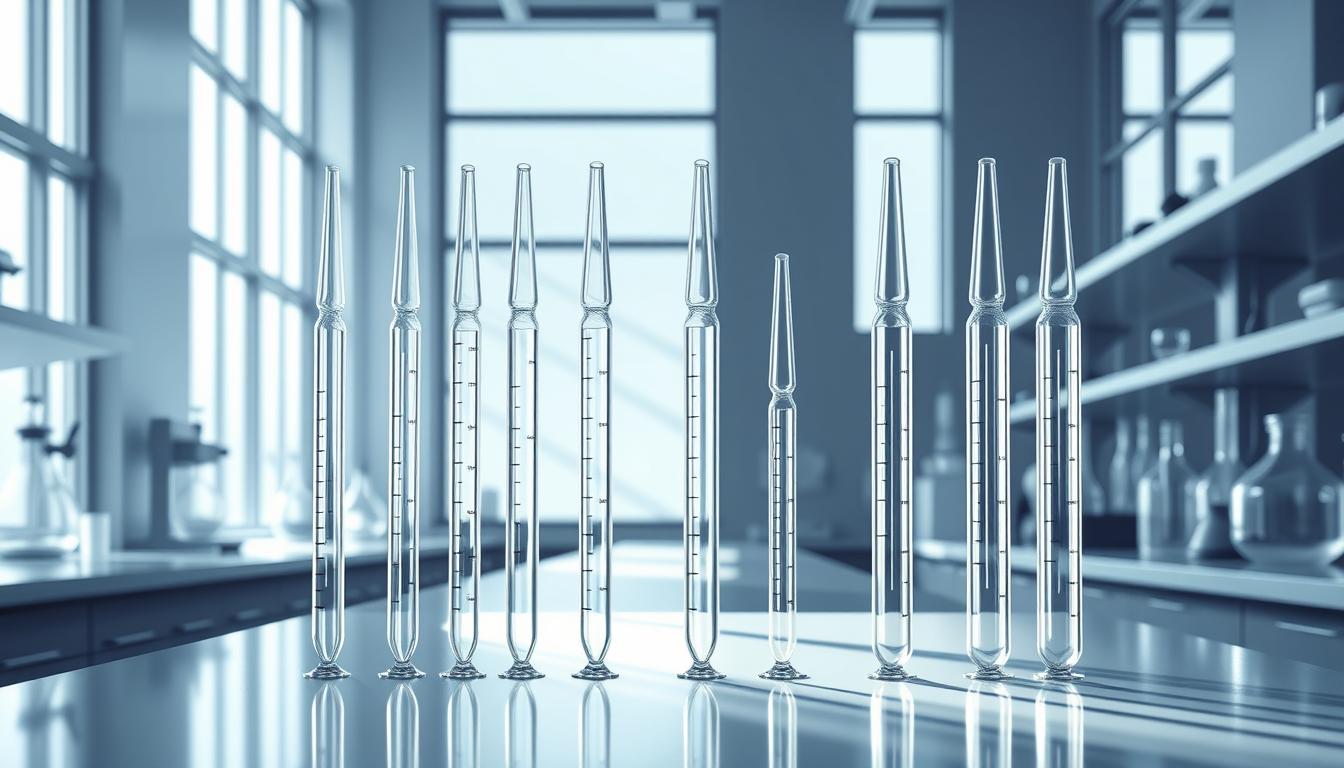
Ever wondered how scientists get so precise with tiny amounts of liquid in labs? Serological pipettes are the secret heroes of science, helping researchers measure and move liquids with amazing accuracy.
Handling lab equipment needs top-notch precision, and serological pipettes lead the way. They can measure liquids from under 1 milliliter to 50 milliliters very consistently.
Scientists count on serological pipettes for their precise liquid transfers across many fields. They’re key for cell studies and chemical tests, making sure experiments are reliable.
Key Takeaways
- Serological pipettes measure liquid volumes between 1-50 milliliters
- Precision is crucial in laboratory liquid transfer techniques
- Available in disposable plastic and reusable glass materials
- Essential for multiple scientific research applications
- Accuracy rates frequently exceed 95% in laboratory settings
Understanding Serological Pipettes
Serological pipettes are key tools for precise liquid handling. They help scientists measure liquids accurately in many fields. These tools are vital in labs, allowing for precise liquid transfers.
Laboratory experts use serological pipettes for their special liquid transfer abilities. They measure from 1 mL to 100 mL. They offer high precision, with accuracy up to ±1% for big volumes.
Essential Characteristics
Here are the main features of serological pipettes:
- Graduated tube with precise volume markings
- Ability to measure volumes between 1 mL and 50 mL
- Volume increments as small as 0.1 mL
- Available in sterile and non-sterile configurations
Comparison with Other Pipetting Tools
Serological pipettes stand out from other lab tools in several ways:
- Micropipettes: Made for tiny volumes
- Volumetric Pipettes: Fixed volume measurements
- Mohr Pipettes: Special for titration procedures
About 70% of lab tasks use serological pipettes. They show their value and dependability in precise liquid handling. Their design is crucial for biotechnology, pharmaceuticals, and research.
Basic Components of Serological Pipettes
Serological pipettes are key tools in labs, used for precise and clean liquid transfers. They are made with special designs and materials. This ensures they meet the needs of today’s research and medical fields.
Material Composition
The materials used in serological pipettes affect their performance. There are mainly two types:
- Polystyrene: About 90% of pipettes are made from polystyrene
- Glass: It’s used for specific lab tasks
Polystyrene is great for transferring liquids because it:
- Is clear for easy viewing
- Is strong and lasts long
- Does not bind proteins much
- Is cheaper to make
Design Features
Serological pipettes have special designs to improve their use. Key features include:
| Design Element | Purpose |
|---|---|
| Graduated Markings | Help measure volumes accurately |
| Tapered Tip | Makes pouring liquids smooth |
| Color-coded Volumes | Make it easy to see the volume |
Modern serological pipettes are made to reduce errors, with accuracy up to ±2% of full scale. They can handle volumes from 1 mL to 50 mL. This makes them essential in many labs.
Types of Serological Pipettes
Serological pipettes are key tools in labs, helping with precise volume transfers. They are vital in many scientific fields, from research to medical testing.
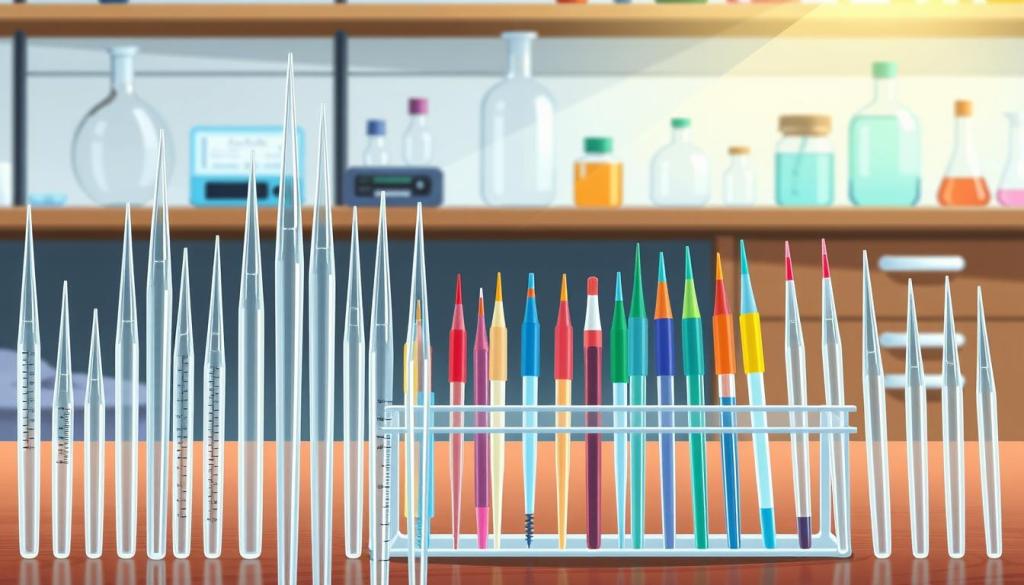
Different types of serological pipettes are used in labs for various needs. Knowing these differences helps scientists pick the right tool for their work.
Graduated vs. Non-graduated Pipettes
Serological pipettes are mainly divided into two types:
- Graduated Pipettes: Have volume marks for precise measurements
- Non-graduated Pipettes: Perfect for exact volume transfers without reading marks
About 70% of lab technicians use graduated pipettes for cell culture. They find them more accurate and easier to use.
Sterile vs. Non-sterile Pipettes
Sterility is another important factor:
- Sterile Pipettes: Gamma-irradiated and packaged to prevent contamination
- Non-sterile Pipettes: Good for general lab work where cleanliness isn’t as critical
Most labs, about 80%, use disposable serological pipettes. They come in sizes from 1 mL to 100 mL, with accuracy of ±1% to ±2%.
Choosing the right serological pipette is crucial for keeping experiments reliable and getting accurate results.
Correct Usage of Serological Pipettes
Precision is key in lab work. Serological pipettes are vital for accurate liquid transfers. Knowing how to use them right can make experiments more reliable and cut down on errors.
Using pipettes well means following a set of steps. Researchers need to stick to these steps to keep measurements right and avoid contamination.
Step-by-Step Usage Procedure
- Choose the right pipette size for your needs
- Put on a clean pipette filler or controller
- Check the pipette for damage or dirt
- Draw liquid a bit above the mark you need
- Adjust the liquid level to the exact amount
- Pour the liquid smoothly into another container
- Make sure all liquid is out of the pipette tip
Common Mistakes to Avoid
- Changing aspiration speed can mess up measurements
- Not getting rid of air bubbles before measuring
- Not keeping the pipette straight when transferring liquid
- Touching the pipette tip to the container’s sides
- Not cleaning and maintaining reusable pipettes properly
“Precision in pipette usage is not just a skill, it’s a scientific necessity.” – Laboratory Research Guidelines
Studies show that using pipettes wrong can cause 5-10% of measurement errors. Getting proper training and practicing regularly is crucial for keeping lab standards high and experiments accurate.
Tips for Accurate Measurements
Precision fluid handling is key in labs. Serological pipettes help ensure accurate volume transfer in many fields.
To get the best measurements, lab pros need to follow some important steps.
Pre-Measurement Preparation
Getting ready is crucial for precise liquid handling. Here are some essential steps:
- Check the pipette for damage or wear
- Store it at the right temperature
- Let liquid and pipette reach the same temperature
- Clean the work area to avoid contamination
Volume Calibration Techniques
Keeping pipettes accurate means regular checks. Researchers should use these methods to check their work:
- Use an analytical balance for gravimetric calibration
- Check volume consistency in different cycles
- Keep records of calibration for quality control
- Recalibrate every 3-6 months
Being precise in liquid measurement cuts down on errors and boosts research trustworthiness.
Professional labs focus on strict calibration to uphold top scientific standards.
Maintenance and Care of Serological Pipettes
Keeping serological pipettes in good shape is key for accurate results. Researchers need a solid plan to keep these tools working well. This plan helps with safe and precise liquid handling.

Good maintenance means following a few important steps. These steps help keep the pipettes precise. By caring for them, scientists avoid mistakes and keep their work reliable.
Cleaning Protocols for Precision
Cleaning well is vital to stop contamination and get right measurements. Here’s what to do:
- Use special cleaning solutions for lab gear
- Clean the outside and inside after each use
- Let them dry completely before putting them away
- Use the right disinfection for each pipette type
“Consistent maintenance is the cornerstone of reliable scientific research.” – Laboratory Safety Expert
Damage Inspection Techniques
Checking for damage regularly is key for keeping pipettes accurate. Researchers should:
- Look for cracks or chips
- Check if calibration marks are straight
- Make sure the plunger moves smoothly
- Check if the pipette tips seal well
Pro Tip: Set up a regular maintenance plan. Check daily, monthly, and yearly to keep pipettes in top shape.
By sticking to these maintenance tips, lab experts can ensure precise liquid handling. They also make their pipettes last longer.
Applications of Serological Pipettes in Labs
Serological pipettes are key tools in today’s science and medicine. They help with precise liquid handling and measurements. This is crucial in labs everywhere.
Lab workers use serological pipettes for many important tasks. These tasks include detailed sample processing. The pipettes are vital in many scientific fields.
Biological Research Applications
- Cell culture media preparation
- Molecular biology experiments
- Biochemical analysis
- Microbiology research
- Genetic engineering procedures
In biological research, these pipettes help move liquids with great accuracy. They can handle volumes from 0.1 to tens of milliliters. Their design ensures accuracy, with a possible error of just 1%.
Clinical Diagnostics
- Blood banking procedures
- Urinalysis testing
- Hematology diagnostics
- Immunology research
- Medical sample preparation
Clinical labs use serological pipettes for about 60% of their liquid transfers. They are crucial for precise diagnostics. This ensures reliable results and good patient care.
Precision in liquid handling is the cornerstone of accurate scientific research and medical diagnostics.
Experts say serological pipettes are very efficient. They can improve liquid transfer by up to 30% over glass pipettes. Their design also reduces contamination risks and boosts experiment reliability.
Importance of Calibration in Serological Pipettes
In labs, getting measurements right is key. Serological pipettes need careful calibration for reliable results. This ensures accurate handling of fluids in lab work.
Calibration is more than a good idea—it’s essential for keeping measurements correct. Studies show that up to 20% of pipettes may not stay calibrated if not checked often.
Why Calibration Matters
Calibration stops errors in lab work. Even small mistakes can change the results of experiments. This is especially true in:
- Biological research
- Clinical diagnostics
- Pharmaceutical testing
- Chemical analysis
“Calibration is the cornerstone of reliable scientific measurement.” – Laboratory Standards Institute
Frequency of Calibration Checks
The Clinical and Laboratory Standards Institute says to check calibration every 3 to 6 months. This rule is for both manual and electronic pipettes. It keeps performance steady, no matter the handling method.
Important calibration points include:
- Regular systematic checks
- Documenting measurement variations
- Addressing potential wear and tear
- Accounting for environmental fluctuations
By focusing on consistent calibration, labs can cut down on mistakes by up to 25%. This shows how crucial precise fluid handling is.
Safety Considerations When Using Serological Pipettes
Handling lab equipment safely is very important. Serological pipettes are key in science, needing careful use to keep everyone safe and the research accurate.
Safe handling of sterile liquids is crucial. It’s all about protecting and being precise in lab work.
Personal Protective Equipment (PPE)
Using serological pipettes right means wearing the right gear:
- Safety goggles to protect eyes from splashes
- Laboratory coat or protective apron
- Disposable gloves that resist chemicals
- Closed-toe shoes with slip-resistant soles
Handling Hazardous Materials
Safe lab work means careful handling of dangerous stuff:
- Use biosafety cabinets for infectious materials
- Follow strict rules to prevent contamination
- Dispose of used pipettes correctly
- Keep your workspace clean and tidy
Research shows 30% of lab accidents with liquids come from bad pipetting. Sticking to safety rules helps avoid accidents and keeps results reliable.
Precision and safety are interconnected in scientific research.
The Future of Serological Pipette Technology
Laboratory technology is growing fast, with serological pipettes getting better for complex science needs. Scientists need more precise tools for handling cell cultures and reagents. This need is pushing for new designs that are more accurate and efficient.
Today’s serological pipettes are moving towards smart tech. They now have digital monitoring and auto-calibration systems. These changes aim to cut down on mistakes and make lab work smoother. This lets scientists get better results with less effort.
There’s a big push for making lab equipment more eco-friendly. Makers are looking into green materials and making pipettes that are better for the planet. At the same time, they’re keeping the equipment’s performance high. This mix of green and precise science is leading to new tech.
Innovations in Design
New pipette tech includes better ergonomics and smart electronics. Scientists can now use devices with advanced precision and sensors. These tools also offer connectivity for tracking data in real-time.
Trends in Laboratory Practices
Lab work is getting more automated and digital. Serological pipettes are being made to work well with robots and digital tools. This change is turning old manual methods into modern, connected research spaces.
FAQ
What is a serological pipette and how does it differ from other types of pipettes?
A serological pipette is a tool for precise liquid transfer. It’s made of plastic or glass. Unlike micropipettes, it’s longer, has graduated markings, and can handle larger volumes accurately.
It’s designed for tasks needing consistent volume measurements in research and diagnostics.
What are the main types of serological pipettes available?
There are several types of serological pipettes. Some have volume markings for easier measurement. Others are sterile and individually wrapped for sensitive applications.
These include graduated and non-graduated versions, as well as sterile and non-sterile options.
How do I choose the right serological pipette for my laboratory work?
Choosing the right pipette depends on several factors. Consider the volume, precision, and application. Sterile pipettes are needed for biological research or diagnostics.
For general lab work, non-sterile options might be okay.
What are the best practices for using serological pipettes accurately?
To use serological pipettes accurately, follow these practices. Choose the right pipette size and maintain consistent technique. Control aspiration and dispensing speeds.
Avoid air bubbles. Hold the pipette vertically and use smooth movements. Ensure the tip is fully immersed in the liquid.
How often should serological pipettes be calibrated?
Calibration frequency varies based on usage and manufacturer guidelines. Professional labs recommend calibration:
– Every 3-6 months for frequently used pipettes
– Annually for less used instruments
– Immediately after damage or unusual performance
Regular calibration ensures accuracy and prevents errors.
What safety precautions should be taken when using serological pipettes?
Essential safety measures include wearing PPE like lab coats and gloves. Use biosafety cabinets for hazardous materials. Practice proper technique to prevent splashes and aerosols.
Follow proper disposal protocols and maintain a clean workspace.
Can serological pipettes be reused, and how should they be maintained?
Disposable pipettes are designed for single use, especially in sterile applications. Reusable pipettes need thorough cleaning and inspection for damage or wear.
Store them in clean, dry conditions. Follow manufacturer guidelines for cleaning and maintenance.
What emerging technologies are impacting serological pipette design?
Emerging technologies include ergonomic improvements and digital integration. There’s also more precise volume control and eco-friendly materials. Smart pipettes with built-in calibration and connectivity are being developed.





Leave a Comment
Your email address will not be published. Required fields are marked *