



Ever thought about how scientists move tiny liquid amounts with such precision? Serological pipettes are the hidden gems of science, helping researchers move liquids with great accuracy in labs.
These tools are key in scientific research, used for precise liquid transfer in many fields. They let scientists measure and move liquids safely in areas like microbiology and cell culture.
Knowing how important serological pipettes are shows their big role in science. They help researchers do tricky liquid transfers safely and reliably.
Key Takeaways
- Serological pipettes enable precise liquid transfer in scientific research
- Available in multiple volume ranges from 1 mL to 50 mL
- Critical for maintaining experimental accuracy
- Used across multiple scientific disciplines
- Essential for contamination-free liquid handling
Introduction to Serological Pipettes
In the world of biological research, serological pipettes are key for precise liquid handling. They are essential in labs, helping scientists move liquids with great accuracy. This is crucial for many research tasks.
Serological pipettes can handle liquids from 1 mL to 50 mL. This makes them useful for many scientific tasks. They are different from regular pipettes because of their precision and range.
- Exceptional precision in liquid transfer
- Wide range of volume capabilities
- Critical for delicate laboratory techniques
Defining Serological Pipettes
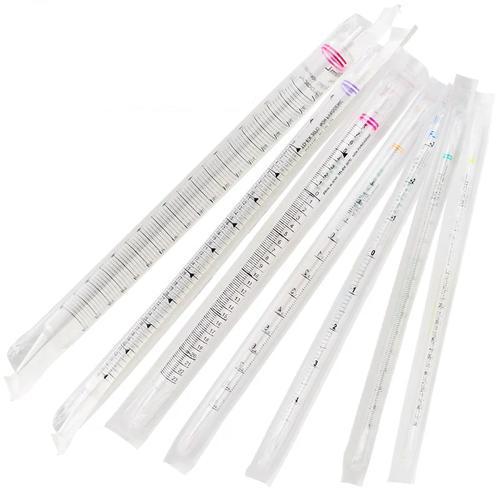
A serological pipette is a long, graduated tool for transferring liquids. It’s made for precise volume transfer, unlike standard pipettes. Scientists use them for important tasks like:
- Cell culture reagent preparation
- Sample dilution
- Experimental solution management
Importance in Research Settings
Serological pipettes are vital in labs. They offer accuracy up to ±1% for volume measurements. This ensures experiments are consistent and reliable. They are key in biotechnology, clinical research, and molecular biology.
Precision is the hallmark of scientific excellence, and serological pipettes are the guardians of that precision.
Types of Serological Pipettes
Serological pipettes are key tools in science, offering many options for lab needs. Knowing the different types helps scientists pick the right one for their work.
Lab experts have a few main choices for pipettes. These choices are based on material and graduation design.
Plastic vs. Glass Pipettes
The choice between plastic and glass pipettes depends on the research needs:
- Plastic Pipettes
- Lightweight and affordable
- Pre-sterilized to lower contamination risks
- Made from polystyrene
- Designed for single use
- Glass Pipettes
- Can be reused and autoclaved
- More durable
- Good for the environment
- Need extra sterilization steps
Graduated vs. Non-Graduated Pipettes
Serological pipettes are also divided by their markings:
- Graduated Pipettes: Have markings for exact volume tracking
- Non-Graduated Pipettes: Have a smooth surface without volume markers
They come in volumes from 1 mL to 50 mL. This makes them versatile for many scientific fields.
Applications of Serological Pipettes
Serological pipettes are key in precision pipetting in many biological research areas. These tools are vital for scientists doing detailed scientific work. They help in accurately moving and measuring liquids in different special tasks.
Scientists use serological pipettes for important biological research methods:
- Cell culture media exchanges
- Cell seeding procedures
- Reagent transfer
- Sample dilution protocols
- Molecular biology experiments
Cell Culture Work
In cell culture labs, precision is crucial. Serological pipettes help scientists work with cells safely. Accurate volume measurements are key for reliable results.
Molecular Biology Techniques
Molecular biology needs high accuracy. Serological pipettes help with:
- DNA and RNA sample preparation
- Protein extraction protocols
- Enzymatic reaction setups
- Genetic material quantification
| Pipette Size | Typical Research Application | Precision Level |
|---|---|---|
| 1-2 mL | Microbiology experiments | High |
| 5-10 mL | Cell culture media transfer | Very High |
| 25-50 mL | Large volume biochemical assays | Moderate |
Serological pipettes are essential in today’s biological research. They allow scientists to do complex tasks with great accuracy and consistency.
Advantages of Using Serological Pipettes
Serological pipettes are key in today’s labs, serving many fields. They offer unmatched precision and flexibility in handling liquids.
The design of serological pipettes ensures remarkable accuracy in lab work. Scientists count on them for reliable liquid measurements in different studies.
Precision in Liquid Transfer
Micropipettes, like serological pipettes, stand out with their top-notch features:
- Maximum inaccuracy less than 2% at full volume
- Diameter ranges from 1.56 mm to 4.50 mm
- Available in multiple sizes: 1 mL, 2 mL, 5 mL, 10 mL, and 25 mL
- Manufactured under strict ISO 9001:2008 standards
Versatility in Various Applications
These pipettes shine in many lab areas, including:
- Cell culture activities
- Biochemical testing
- Molecular biology research
- Clinical diagnostics
- Chemical analysis
They come with features like aerosol barrier filters and gamma irradiation sterilization. Their color-coded graduations make them essential for precise lab work.
Choosing the Right Serological Pipette
Choosing the right serological pipettes is key for successful liquid transfer in labs. The right pipette can greatly affect the accuracy and reliability of research. Scientists need to think about several factors when picking serological pipettes for the best results.
Volume Range Considerations
The volume range of serological pipettes is very important for precise liquid transfer. Researchers should look at their specific needs based on these guidelines:
- Small volume pipettes (1-2 mL) for precise measurements
- Medium volume pipettes (10-25 mL) for standard lab tasks
- Large volume pipettes (25-50 mL) for bulk liquid transfers
Material Selection Strategies
Deciding between glass and plastic serological pipettes depends on your research needs. Each material has its own benefits for liquid transfer.
| Material Type | Key Characteristics | Recommended Use |
|---|---|---|
| Plastic Pipettes | Lightweight, disposable, cost-effective | General lab work, cell culture |
| Glass Pipettes | Chemical resistant, temperature stable | Harsh chemical environments, high-precision experiments |
*”The right pipette is not just a tool, but a precision instrument that can make or break your research accuracy.”*
Other things to consider for serological pipettes include sterility, compatibility with pipette controllers, and specific research needs. It’s important to choose pipettes that meet ASTM E934 standards. This ensures accuracy within 2% and keeps samples intact.
Handling and Usage Best Practices
Mastering precision pipetting needs careful technique and maintenance. Serological pipettes are key in scientific research. They require careful handling for accurate liquid transfer and to keep experiments reliable.
To get the best results with pipette tips, you need to know a few important practices:
- Choose the right pipette for your volume needs
- Use top-quality pipette tips to cut down on errors
- Pre-wet the pipette tip before making important measurements
- Keep your pipetting angle and speed consistent
Proper Pipetting Techniques
Precision pipetting starts with basic techniques that boost accuracy. Researchers should follow these key steps:
- Remove air bubbles before transferring liquid
- Release liquid slowly and evenly
- Adjust the liquid level to match the exact volume marks
- Do controlled dispensing to avoid splashing
Sterility and Contamination Prevention
Stopping contamination is key in labs. Labs can lower contamination risks by following strict protocols:
- Clean pipettes between uses with the right solutions
- Use disposable pipette tips for single-use tasks
- Do regular calibration checks
- Store pipettes in clean areas
Studies show that proper maintenance can boost pipette accuracy by up to 15%. It also cuts down on lab errors a lot. Regular training and sticking to best practices are vital for top-notch scientific research.
Maintenance and Care
Keeping sterile pipettes in good shape is key for accurate results in labs. Researchers need to follow detailed care plans. This helps keep these precise tools working well for a long time.
There are important steps to take to keep lab pipettes safe and working right. These steps help avoid mistakes and make these tools last longer. They are vital for good research.
Cleaning Protocols
Cleaning sterile pipettes right is important:
- Clean the outside with 70% alcohol
- Use special cleaners suggested by the makers
- Stay away from strong chemicals that can harm the pipettes
- Make sure to clean the surface after each use
Storage Recommendations
Storing pipettes correctly is also key:
- Put them up right in special holders
- Keep them in clean, dry places out of the sun
- Don’t let them get too hot or cold
- Don’t put them near things that might get them dirty
Regular upkeep can cut down on problems by 40%. Calibration should be done every six months to keep things accurate.
Regular care is not just a suggestion—it’s essential for scientific accuracy.
By sticking to these care tips, scientists can make their sterile pipettes more reliable. This helps keep their research trustworthy and effective.
Safety Considerations
Laboratory safety is key when using disposable pipettes for research. Handling and disposing of these tools correctly can avoid hazards. This protects both researchers and the environment.
Keeping your lab safe is linked to ensuring accurate measurements. Researchers must follow strict safety rules. This helps reduce risks from pipette use.
Personal Protective Equipment (PPE)
Choosing the right personal protective equipment is vital for safety:
- Wear chemical-resistant gloves
- Use safety goggles or face shields
- Utilize lab coats with long sleeves
- Consider specialized ergonomic gloves for extended pipetting
Disposal of Used Pipettes
Proper disposal of disposable pipettes is key for safety and the environment:
- Segregate plastic pipettes from other lab waste
- Use dedicated containers marked for pipette collection
- Submerge contaminated tips in disinfectant
- Use biohazard bags for medical waste disposal
It’s important to think about ergonomics to avoid injuries. Taking micro-breaks every 20-30 minutes and using automated pipettes can significantly reduce the risk of hand and shoulder injuries.
Always consult your Biosafety Officer for specific waste management guidelines specific to your research facility.
Innovations in Serological Pipette Technology
Laboratory research is always getting better at handling liquids. Calibrated pipettes and micropipettes are seeing big changes. These changes mean scientists can now work more accurately and quickly.
New ideas are changing how scientists move liquids in their work. Advanced serological pipette technologies bring new features to solve big lab problems.
Cutting-Edge Technological Developments
The newest micropipettes are improving in a few key ways:
- Material Engineering: Making pipettes stronger and more resistant to chemicals
- Electronic Integration: Adding smart systems for better precision
- Ergonomic Design: Making pipettes easier to hold and use
Future Trends in Pipette Technology
New trends in calibrated pipettes are very promising for science:
| Technology Trend | Potential Impact |
|---|---|
| Automated Calibration | Instant accuracy checks and adjustments |
| Wireless Connectivity | Logging data in real-time and tracking performance |
| AI-Enhanced Precision | Correcting errors and optimizing volumes with AI |
“The future of laboratory precision lies in intelligent, adaptive micropipette technologies that understand and anticipate researcher needs.”
As science gets more complex, pipette tech will keep getting better. It will help make experiments more accurate and efficient.
Regulatory Standards for Serological Pipettes
Scientific research needs precise measurements. Serological pipettes are key in keeping volumetric accuracy in labs. Rules make sure these tools meet high quality standards.
Labs have strict rules for serological pipettes. These rules help keep research honest by setting clear rules for making and using these tools.
Compliance Requirements
Important rules for serological pipettes include:
- Precise manufacturing tolerances
- Rigorous calibration protocols
- Consistent volumetric accuracy testing
- Material purity verification
Quality Assurance Measures
Steps to check serological pipettes include:
- Initial Calibration: Making sure they deliver the right amount
- Periodic Performance Testing
- Material Integrity Checks
- Traceability Documentation
Accuracy for serological pipettes is usually within ± 2% to ± 5%. This ensures reliable results in many fields of study.
Conclusion
Serological pipettes are key in scientific research. They help scientists accurately move liquids from 1 mL to 50 mL. This is crucial for many experiments.
Choosing the right pipette is vital for good science. It’s important to think about the volume, material, and how it’s cleaned. Using pipettes correctly can make experiments better.
Summary of Key Points
Choosing the right serological pipette is important. You need to think about the material, volume, and design. Look for clear markings and easy use.
Final Thoughts on Selecting Serological Pipettes
Good science needs careful attention to detail. Serological pipettes are essential for this. By understanding them well, scientists can do better work.
FAQ
What are serological pipettes and why are they important in laboratory settings?
Serological pipettes are precise tools for moving liquids in science. They are key in labs, especially in studying cells and microbes. They help scientists measure and handle liquids accurately.
What is the difference between plastic and glass serological pipettes?
Plastic pipettes are for one-time use and are sterile. Glass ones are reusable and last longer. They’re better for certain chemicals. Each has its own benefits for different research needs.
How do graduated and non-graduated serological pipettes differ?
Graduated pipettes have lines to measure different volumes. Non-graduated ones are for exact volumes without lines. Graduated ones are more flexible.
What are the primary applications of serological pipettes in biological research?
They’re used in cell culture, molecular biology, and microbiology. They help in making solutions and measuring volumes. They’re vital for precise and clean work.
How do I choose the right serological pipette for my research?
Think about the volume you need, the material, and if it’s sterile. Consider the precision and what it will mix with. Choose based on your research needs.
What are the best practices for using serological pipettes?
Use the right technique and keep it clean. Wear protective gear and avoid spills. Hold it straight and move slowly. Keep it calibrated for accuracy.
How should serological pipettes be maintained and stored?
Clean and dry them well. Store in a clean place. Throw away disposables and sterilize reusables. Handle them carefully to avoid damage.
What safety considerations are important when using serological pipettes?
Wear gloves and lab coats. Use filters to prevent contamination. Follow disposal rules and keep your lab clean. This reduces risks.
What recent innovations have improved serological pipette technology?
New materials and designs have improved them. Digital systems and ergonomic handles are also advancements. There’s a focus on disposable, pre-sterilized ones for safety.
Are there specific regulatory standards for serological pipettes?
Yes, they must meet ISO and FDA standards. Manufacturers test and certify them for precision and quality. This ensures they work well and safely.




Leave a Comment
Your email address will not be published. Required fields are marked *