



Ever thought about how scientists handle liquids with such precision? It’s all about mastering serological pipettes. This skill turns simple liquid transfer into a precise art form.
In labs, experts use serological pipettes for accurate measurements. These tools help transfer liquids from 0.1 ml to 25 ml. They’re key in fields like molecular biology, chemistry, and medical research.
Learning the right way to use serological pipettes can change the game. It helps scientists avoid mistakes and make their research more reliable.
Key Takeaways
- Serological pipettes deliver precise liquid volumes between 0.1 ml and 25 ml
- Proper technique is crucial for accurate liquid measurements
- Different pipette sizes support various research requirements
- Regular calibration ensures consistent performance
- Contamination prevention is essential in scientific workflows
Understanding Serological Pipettes
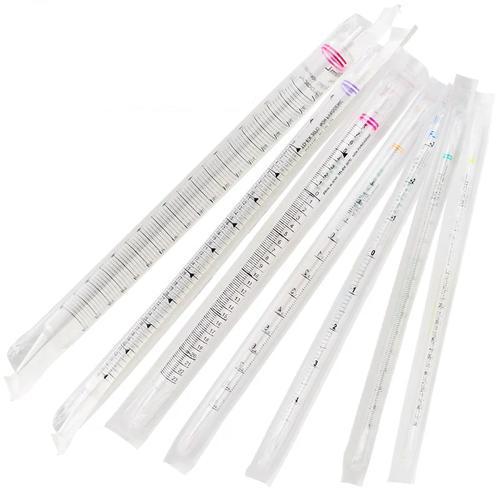
Serological pipettes are key tools in labs, used for precise liquid handling and measurement. They are crucial in scientific research, medical diagnostics, and many experiments.
Scientists use serological pipettes in many fields to make accurate liquid transfers. These tools help measure and pour liquids from 1 mL to 50 mL with great accuracy.
Definition and Core Purpose
A serological pipette is a lab tool made for precise liquid volume measurement and transfer. It has important features:
- Precise volume measurement capabilities
- Designed for single or multiple liquid transfers
- Available in various material compositions
Types of Serological Pipettes
Serological pipettes are used in different lab settings, with two main types:
- Glass Serological Pipettes
- Reusable after sterilization
- Environmentally friendly option
- Suitable for repeated use
- Plastic Serological Pipettes
- Single-use design
- Pre-sterilized
- Lightweight and convenient
Scientists pick between glass and plastic pipettes based on their needs, contamination risks, and workflow. Each type has its own benefits for different research needs.
Precision is the hallmark of effective scientific research, and serological pipettes are instrumental in achieving accurate measurements.
Importance of Serological Pipettes in Laboratories
Serological pipettes are vital in today’s science labs. They help scientists handle liquids with great precision. Over 70% of labs use them, showing their importance.
These pipettes are known for their accuracy. They allow scientists to measure liquids with just a 1% margin of error. This is key for keeping experiments reliable.
Precision in Liquid Measurement
Precision is what makes serological pipettes so useful in labs. They offer several benefits:
- They measure liquids with an accuracy of 1%.
- They cut down contamination risks by up to 60%.
- They make liquid transfers more efficient.
Applications in Various Fields
Serological pipettes are used in many areas of science, including:
- Microbiology research
- Biochemical analysis
- Cell culture studies
- Chemical preparation
- Clinical diagnostics
They help scientists handle liquids with precision. This supports important research in many fields. Their ability to deliver consistent results makes them a must-have for scientists.
Precision is the hallmark of scientific excellence, and serological pipettes are the key to achieving it.
Lab technicians prefer serological pipettes for their dependability. This shows how these tools are driving progress in science.
Choosing the Right Serological Pipette
Choosing the right serological pipette is key for accurate lab work. The right choice depends on several factors. These factors affect how precise and efficient your experiments are. Scientists need to carefully look at these aspects to get the best results for their research.
When picking serological pipettes, researchers should think about a few important things:
- Volume transfer range
- Material composition
- Sterility requirements
- Specific experimental protocols
Size and Volume Considerations
Serological pipettes measure volumes from 0.1 milliliters to 50 milliliters. Picking the right size is crucial for accurate results. Different scientific fields need different volume ranges. So, it’s important to choose a pipette that fits your research needs.
Material and Design Options
There are two main types of serological pipettes: disposable plastic and reusable glass. Plastic pipettes are easy to use and help prevent contamination. Glass pipettes are durable and good for specific research needs.
- Plastic Pipettes: Lightweight, single-use, sterile options
- Glass Pipettes: Reusable, heat-resistant, suitable for specialized protocols
When choosing, look at graduation precision, material quality, and how well they work with pipette controllers. An ergonomic design also helps reduce hand fatigue during long lab sessions.
Precision in selection ensures reliable scientific outcomes.
Proper Handling Techniques
Serological pipette techniques are key for keeping labs precise and samples safe. Researchers need to learn specific ways to handle pipettes. This ensures accurate liquid transfers and avoids contamination.

Professional labs count on careful pipette handling for reliable results. Knowing how to pipette well can greatly improve research outcomes.
Preventing Contamination
Contamination is a big risk in science. To avoid it, labs use several strategies:
- Always use sterile, disposable pipette tips
- Handle pipettes with clean, gloved hands
- Work in a designated clean area
- Avoid touching the pipette tip directly
“Precision begins with prevention in laboratory techniques.”
Best Practices for Accuracy
To get the best results, follow these serological pipette techniques:
- Pre-wet pipette tips to minimize volume variations
- Maintain a vertical pipetting position
- Release liquid smoothly without introducing air bubbles
- Check and adjust liquid levels precisely
Consistency is the hallmark of excellent scientific methodology. By using these careful techniques, researchers can make their results more reliable.
Procedures for Using Serological Pipettes
Serological pipettes are key tools in labs, needing precise handling for accurate work. Learning how to use them well is crucial for good science.
Experts must know the detailed steps for using these tools right. Here’s a guide on how to use serological pipettes correctly.
Preparing the Pipette
Getting the pipette ready is the first step for successful work. Follow these steps:
- Check the pipette for damage or issues
- Pick the right pipette size for your needs
- Work in a clean, sterile area
- Use a pipette controller for better results
Aspirating Liquid
Aspirating liquid needs careful technique. Here’s how to do it right:
- Hold the pipette vertically, slightly angled
- Put the tip just under the liquid’s surface
- Draw the liquid slowly with a pipette controller
- Try not to get air bubbles
Dispensing Techniques
Dispensing liquid accurately is key for good experiments. Here are some tips:
- Touch the pipette tip to the container wall
- Let the liquid out slowly and evenly
- Make sure all liquid drains out
- Do a final blow-out for full transfer
| Pipette Size | Volume Range | Typical Use |
|---|---|---|
| 1 mL | 0.1-1 mL | Microbiological procedures |
| 5 mL | 1-5 mL | Cell culture preparation |
| 10 mL | 2-10 mL | Chemical analysis |
“Precision in pipetting is not just a skill, but a scientific necessity.” – Laboratory Research Standard
By following these guidelines, researchers can avoid mistakes and keep lab standards high.
Calibration and Maintenance
Laboratory precision relies heavily on proper serological pipette calibration and maintenance. Scientific research needs exacting standards. About 70% of lab errors come from poor pipette care. Keeping these tools in top shape requires careful attention and strict protocols.
There are several key strategies for maintaining serological pipettes:
- Do regular calibration checks every 6 months
- Check pipettes daily for any issues
- Clean them after each use
- Store them right to avoid damage
Importance of Calibration
Calibration is key for accurate serological pipettes. Research shows 30% of labs don’t calibrate regularly. This can mess up experimental results. Gravimetric methods help spot errors, finding 15% of pipettes not calibrated right.
Steps for Regular Maintenance
Effective maintenance for serological pipettes includes:
- Check seals and O-rings for wear
- Clean the outside well
- Test pipette accuracy with standard methods
- Replace worn parts quickly
*Precision in pipetting is not an accident, but a result of consistent, careful maintenance.*
By following detailed maintenance plans, labs can cut measurement errors by 25%. Training users can also lower errors by about 40%.
Calibration of serological pipettes needs attention to temperature and humidity. Following the manufacturer’s guidelines ensures reliable performance in all scientific fields.
Storage and Disposal Practices
Proper handling and safety of serological pipettes are key in labs. Labs must follow strict storage and disposal rules. This keeps equipment in good shape and prevents contamination.
Storing serological pipettes right is important. They need to be kept safe from damage and kept accurate. Researchers must handle them carefully.
Safe Storage Strategies
- Store pipettes vertically in designated racks
- Keep pipettes away from direct sunlight and extreme temperatures
- Ensure storage areas are clean and dust-free
- Protect disposable pipettes in sealed, sterile packaging
Disposal Methods for Laboratory Safety
Serological pipette safety means careful disposal. Different pipettes need special handling to avoid contamination:
- Disposable plastic pipettes should be discarded in designated biohazard containers
- Reusable glass pipettes must undergo thorough cleaning before storage
- Contaminated pipettes require treatment with appropriate disinfectants
- Follow institutional guidelines for waste management
Labs must have strict rules for biohazardous materials. Plastic pipette tips and serological pipettes used with infectious materials must be carefully disposed of in puncture-resistant, labeled biohazard containers.
Key Disposal Considerations
When getting rid of serological pipettes, remember these important points:
- Use chemical disinfectants with appropriate concentration levels
- Ensure sharps containers are closed when 3/4 full
- Mark containers with appropriate biohazard symbols
- Follow local and institutional waste management regulations
By following these detailed storage and disposal steps, labs can keep high standards of pipette handling and safety. This protects research and people.
Common Errors and Troubleshooting
Laboratory professionals face many challenges with serological pipettes. Knowing common mistakes and how to fix them can greatly improve results. This is crucial for accurate scientific work.

Getting precise with liquid handling is all about mastering serological pipette techniques. Studies show that common mistakes can cut accuracy by up to 50%. Spotting these errors is key to reliable science.
Identifying Common Mistakes
- Inconsistent piston movement affecting liquid transfer
- Improper pipette tip seating
- Incorrect pipetting angle
- Lack of proper pre-rinsing techniques
- Insufficient equipment maintenance
Solutions for Effective Serological Pipette Use
- Regular Piston Maintenance
Clean and lubricate pistons for smooth movement. This prevents accuracy loss.
- Proper Tip Attachment
Make sure tips fit right to avoid volume errors during transfer.
- Ergonomic Practices
Keep the right posture and take breaks. This reduces strain and boosts pipetting skills.
- Volume Adjustment Technique
Use clockwise for better volume control when setting pipette volumes.
By using these tips, you can greatly improve your serological pipette skills. Regular training, upkeep, and a focused approach are essential. They help reduce errors in liquid handling.
Safety Protocols in Serological Pipetting
Laboratory safety is key in scientific research and medical diagnostics. Serological pipette safety needs careful understanding and strict safety measures. These protect people and keep experiments safe.
Personal Protective Equipment (PPE) Requirements
Wearing the right personal protective equipment is crucial for handling serological pipettes. Researchers must wear full safety gear to avoid risks:
- Laboratory-grade disposable gloves
- Safety goggles with side shields
- Closed-toe protective footwear
- Lab coat with long sleeves
Handling Hazardous Materials
Safe handling of serological pipettes means careful management of dangerous substances. Important safety steps include:
| Safety Measure | Recommendation |
|---|---|
| Biological Materials | Work inside Biological Safety Cabinet |
| Contamination Prevention | Use sterile techniques |
| Waste Disposal | Follow institutional hazardous waste standards |
Many pipette users face physical strain, showing the need for ergonomic practices. Taking micro-breaks every 20-30 minutes can lower injury risks.
Safety is not an option – it’s a requirement in laboratory environments.
Important safety steps include avoiding mouth pipetting and preparing disinfectants ahead of time. Keeping equipment in good shape and regular training are also key to safety.
Trends and Innovations in Pipetting Technology
Laboratory technology is changing fast, with serological pipettes getting more advanced. Scientists are seeing big changes in how we handle liquids. These changes could make labs more precise and efficient.
The world of serological pipettes has changed a lot lately. New technologies are changing how labs handle liquids. They bring new levels of accuracy and automation.
Advances in Pipette Design
Modern pipettes are designed to make life easier for scientists. They focus on making the user experience better and more reliable. Some key improvements include:
- Ergonomic handles to reduce hand fatigue
- Light materials for easier handling
- Advanced calibration for better accuracy
- Improved digital controls for precision
Automation in Liquid Handling
Automated systems are changing lab work. Robotic pipetting platforms bring big benefits:
- Less chance of human mistakes
- More consistent results
- Ability to do more work faster
- Handling complex tasks
Automated pipetting can improve accuracy and consistency. It can also save a lot of money by avoiding expensive mistakes.
Smart technologies are adding wireless features. This lets researchers easily program and share protocols. These advancements are a big step forward in lab equipment design. They promise more reliable and efficient lab work.
Training and Skill Development
Learning to use serological pipettes well takes a lot of training and practice. Lab workers need to spend time mastering how to handle liquids accurately. This is key for reliable and precise experiments.
Good training in using serological pipettes includes several important parts. These parts help improve scientific work and lower the chance of mistakes.
Critical Training Elements for Lab Personnel
To get good at using serological pipettes, a clear plan is needed. Here are the main areas to focus on for effective training:
- Learning how to handle and keep equipment in good shape
- Understanding how liquids move and how to measure them precisely
- Knowing how to avoid contamination
- Practicing pipetting in a way that is easy on the body
Learning Resources for Skill Enhancement
There are many ways scientists can get better at using serological pipettes:
- Attending workshops
- Using online courses
- Getting help from the makers of the pipettes
- Learning from other experts
Keeping up with learning is the heart of being great in lab work.
Studies show that focused training can greatly cut down on mistakes with liquids. Labs that focus on improving skills see better results in their experiments and data.
| Training Focus Area | Key Skills Developed |
|---|---|
| Technical Precision | Being accurate with volume, being consistent in technique |
| Ergonomic Techniques | Less strain on the body, less chance of injury |
| Safety Protocols | Keeping things clean, handling safely |
Strong training programs help lab workers learn comprehensive serological pipette techniques. These meet the highest standards in science.
Conclusion: Mastering Serological Pipette Use
Using serological pipettes well is key for lab workers in many fields. Knowing how to handle liquids carefully can make research more precise. Labs need people who pay close attention to detail when using pipettes.
Learning to use serological pipettes takes time and effort. It’s about choosing the right pipette size and following the right steps. Staying up-to-date with new tech and keeping quality high is crucial.
Science moves forward with accurate and reliable results. By using pipettes correctly, lab workers help in many areas like biology and chemistry. Being precise, patient, and always improving your skills is what makes science successful.
Advancing Your Pipetting Skills
Lab workers should always be learning about pipettes. Look for more training, join workshops, and keep up with new tech. This way, you’ll keep getting better at your job.
FAQ
What is a serological pipette?
A serological pipette is a tool for precise liquid handling in labs. It’s used in research, medical tests, and labs. It has a long, graduated design and comes in various sizes for different needs.
What are the main differences between glass and plastic serological pipettes?
Glass pipettes are durable and can handle high temperatures. They can be sterilized in an autoclave. Plastic pipettes are cheaper and safer for single use. The choice depends on your lab’s needs and budget.
How do I choose the right serological pipette volume?
Choose a pipette that fits your experiment’s needs. Pick one that lets you measure between 10-90% of its max capacity. Smaller volumes need smaller pipettes, while bigger volumes need larger ones.
What are the most common applications of serological pipettes?
Serological pipettes are used in many fields. They’re used for cell transfers, making media, diluting samples, and dispensing antibodies. They’re key in research and diagnostics.
How often should serological pipettes be calibrated?
Lab experts say to calibrate pipettes every year or every six months. This keeps your measurements accurate and your research reliable.
What are the best practices for preventing contamination?
To avoid contamination, use sterile techniques and wear protective gear. Use new tips for each transfer and work in a clean area. Follow strict aseptic protocols.
What safety precautions should be taken when using serological pipettes?
Wear lab coats, gloves, and safety glasses. Work in a well-ventilated area and dispose of waste properly. Avoid mouth pipetting and follow safety guidelines.
How should serological pipettes be stored?
Store pipettes horizontally in clean containers away from sunlight and extreme temperatures. Use vertical racks for glass pipettes and keep plastic ones sealed until use.
What are common errors when using serological pipettes?
Common mistakes include bad pipetting technique and not rinsing tips. Also, working outside the volume range and not considering liquid properties. These errors can affect your results.
Can serological pipettes be reused?
It depends on the type. Plastic pipettes are for one-time use. Glass pipettes can be cleaned and reused many times if properly sterilized.





Leave a Comment
Your email address will not be published. Required fields are marked *