



Are you ready to learn about the precision in modern labs? The serological pipette is a key tool. It brings accuracy and versatility to scientific research.
A serological pipette is a special lab tool for precise liquid transfers. It’s used in many scientific fields. These tools help researchers handle liquids with great reliability, making them crucial in labs and classrooms.
Researchers use the seropipette to move liquids from 1 mL to 25 mL with almost no error. Its design prevents liquid from getting stuck, ensuring reliable results in important experiments.
Key Takeaways
- Serological pipettes provide precise liquid transfer capabilities
- Available in multiple volume ranges from 1 mL to 25 mL
- Manufactured with strict quality control standards
- Essential for clinical, research, and educational laboratories
- Designed for maximum accuracy and minimal liquid retention
Understanding Serological Pipettes
Laboratory professionals use serological transfer pipettes for precise liquid handling. These tools are key in scientific research, medical diagnostics, and clinical use.
A serological pipettor is a vital piece of lab equipment for accurate liquid measurement and transfer. It has unique features that set it apart from regular lab pipettes.
Definition and Core Purpose
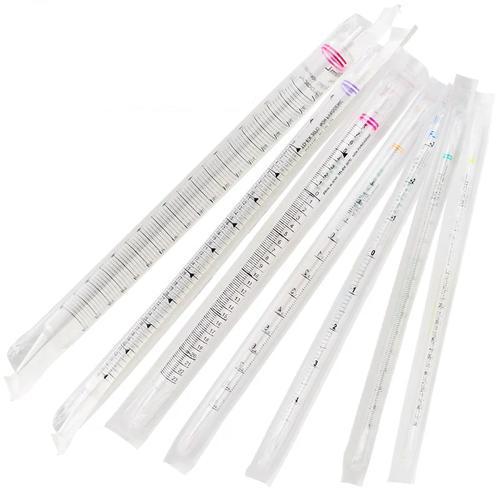
Serological pipettes are blow-out style tools for precise liquid transfer. They have graduated markings and a special design for extracting and dispensing liquids from 1 mL to 50 mL with high accuracy.
Key Features
- Graduated volume markings for precise measurement
- Blow-out design allowing complete liquid removal
- Available in multiple volume capacities
- Compatible with pipette controllers
Types of Serological Pipettes
The market has many serological transfer pipette options for different lab needs:
- Disposable plastic pipettes
- Reusable glass pipettes
- Sterile and non-sterile variants
- Different volume ranges (1 mL, 5 mL, 10 mL, 25 mL, 50 mL)
“Precision in liquid handling is the cornerstone of reliable scientific research.” – Laboratory Equipment Experts
Choosing the right serological pipettor depends on your specific needs. It ensures accurate and clean liquid transfers in various scientific fields.
Common Abbreviations
Laboratory professionals often use short names and abbreviations for serological pipettes. These terms help researchers talk more clearly in scientific settings.
Overview of Laboratory Abbreviations
Serological pipettes have many names that make talking easier. People in labs use special abbreviations to quickly know what micropipettes and serology pipettes are.
- Ser. Pip. – Short for serological pipette
- S.P. – Another way to say serological pipette
- µL Pip. – About micropipette volume
Acceptable Short Names in Laboratory Settings
Different labs use their own names for these tools. The micropipette and serology pipette have several names that are okay to use:
| Abbreviation | Full Name | Common Usage |
|---|---|---|
| SP | Serological Pipette | Clinical Research |
| µP | Micropipette | Molecular Biology |
| Grad. Pip. | Graduated Pipette | General Laboratory |
Differences in Usage Contexts
The choice of abbreviations changes based on the lab. Clinical research might stick to standard terms. But molecular biology labs might use more specific names for micropipettes.
It’s important to think about who you’re talking to and where you are when picking the right words for serological pipettes and micropipettes.
The Importance of Pipette Length
Choosing the right pipette is key to precise liquid transfers. Serological pipettes vary in length, each suited for different lab needs. This ensures the best accuracy in liquid handling.

Lab experts know that pipette length greatly affects its performance. Each length is designed for specific tasks in various fields of science.
Standard Lengths in Serological Pipettes
Serological pipettes come in standard lengths:
- 5.5 inches (140 mm)
- 7 inches (178 mm)
- 10 inches (254 mm)
- 13 inches (330 mm)
Impact on Accuracy and Precision
The length of a pipette greatly impacts its ability to handle liquids. Shorter pipettes are best for:
- Precise microvolume transfers
- Smaller container applications
- Minimizing liquid retention
Longer pipettes are better for:
- Deep vessel transfers
- Reducing cross-contamination risks
- Handling larger volume requirements
| Pipette Length | Volume Range | Precision Level |
|---|---|---|
| 5.5 inches | 0.1 – 10 mL | High |
| 10 inches | 1 – 25 mL | Medium-High |
| 13 inches | 5 – 50 mL | Medium |
Choosing the right pipette length is crucial for top performance and less experimental error.
Material Composition
The choice of materials is key to a precision pipette’s performance and reliability. Knowing what materials are used helps scientists pick the right tools for their work.
Common Materials in Pipette Construction
Serological and volumetric pipettes are made from a few main materials:
- Polystyrene: It’s light and affordable.
- Glass: It’s tough and resists chemicals well.
- Plastic polymers: They’re flexible and can be used in many ways.
Advantages of Different Materials
Each material has its own benefits for pipettes:
- Polystyrene: Great for one-time use and clear to see through.
- Glass: It lasts a long time and can handle chemicals well.
- Plastic polymers: They’re light and won’t break easily.
Sterilization Considerations
Today’s serological pipettes are sterilized with gamma irradiation. This makes them clean and safe for labs. It also keeps the materials in good shape and free from harmful stuff.
Scientists need to think about the materials when picking a pipette for their research.
Usage Guidelines
Laboratory experts use serological pipettes for precise liquid handling. Knowing how to use them right is key for accurate results and keeping research trustworthy.
Proper Handling Techniques
Using a serological pipette needs careful steps for the best results. Here are the main steps:
- Hold the seropipette at a strict 90-degree angle
- Use a rubber or plastic bulb for controlled suction
- Ensure smooth, consistent liquid transfer
- Avoid touching the pipette tip to prevent contamination
Best Practices for Cleaning
Cleaning serological pipettes is crucial. Different materials need different cleaning methods:
| Pipette Type | Cleaning Method | Sterilization Technique |
|---|---|---|
| Disposable Plastic | Single-use, discard after use | Not applicable |
| Reusable Glass | Rinse with distilled water | Autoclave at 121°C for 15 minutes |
Laboratory experts must handle serological pipettes with care. Regular maintenance is key for consistent performance and to avoid contamination.
Proper pipette care is not just a recommendation—it’s a fundamental requirement for reliable scientific research.
Applications in Laboratories
Laboratory professionals use serological transfer pipettes in many scientific settings. These tools are key for precise liquid handling. They help in research and diagnostics with great accuracy.
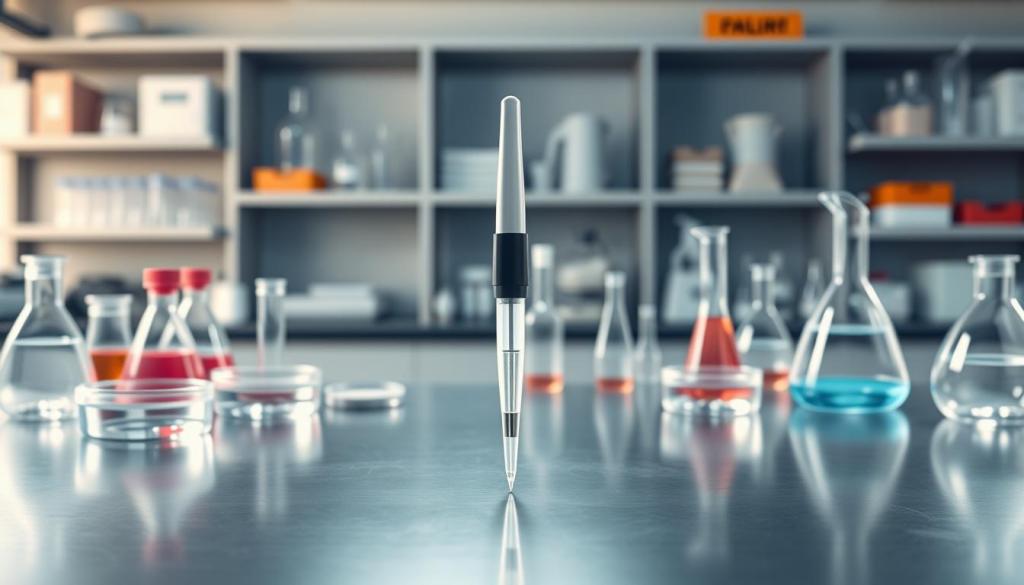
The global market for lab equipment is growing. Serological pipettor technologies are getting better. Labs use these tools in several important areas:
Clinical Applications
Medical diagnostics rely on serological transfer pipettes for important tasks:
- Sample preparation for blood tests
- Diagnostic screening procedures
- Pathology specimen handling
“Precision is paramount in clinical laboratory environments” – Laboratory Medicine Expert
Research Laboratories
Scientific research needs careful liquid handling. Serological pipettes help with many research tasks:
- Cell culture experiments
- Molecular biology protocols
- Analytical chemical procedures
About 80% of biotechnology laboratories use serological pipettes often in research and development.
Educational Settings
Academic institutions use serological pipettes in scientific training. Students learn important lab skills by using these tools.
Serological pipettes are essential in science. They help with accurate liquid transfers in volumes from 1 mL to 50 mL.
Regulatory Standards
Laboratories follow strict rules to make sure their tools, like serology pipettes and micropipettes, work right. These rules help keep research and medical tests accurate. They make sure quality is always high.
Overview of Laboratory Regulations
There are many important rules for serological pipettes. These come from big organizations:
- College of American Pathologists (CAP) Accreditation Program
- International Organization for Standardization (ISO) Guidelines
- Food and Drug Administration (FDA) Requirements
Importance of Compliance
Following these rules is key for a lab’s trustworthiness. The CAP checklist has 61 pages of detailed rules for managing lab tools.
| Regulatory Body | Key Focus Areas | Compliance Impact |
|---|---|---|
| CAP | Instrument Calibration | Ensures Accuracy |
| ISO | Quality Management | Standardizes Procedures |
| FDA | Safety Protocols | Validates Performance |
By sticking to these strict rules, labs can promise exact scientific results. This keeps research honest and reliable.
Best Practices for Selection
Choosing the right liquid transfer pipette is key. Lab professionals need to think about what they really need. This ensures they get a pipette that is both precise and efficient for their research.
When picking a serological pipette, there are important things to keep in mind. These factors affect how well the pipette works and how reliable it is:
- Volume range compatibility
- Accuracy requirements
- Ergonomic design
- Material durability
- Laboratory application specifics
Critical Factors in Pipette Selection
Choosing the right pipette means understanding your lab’s needs. Precision is crucial for handling delicate liquids. Here are some key things to consider:
- Make sure the volume range fits your needs (0.1 ml to 50 ml)
- Think about how often you’ll need to calibrate it
- Look for ergonomic features
- Check if it works with your current lab equipment
Recommended Specifications
When looking for a pipette, focus on certain features. Adjustable aspiration speeds, universal silicone adaptors, and quiet motors are important. These help prevent injuries and keep your work accurate.
Selecting the right pipette is not just about measurement—it’s about protecting researcher health and ensuring experimental integrity.
Troubleshooting Common Issues
Laboratory experts often face problems with precision and volumetric pipettes. These issues can affect the accuracy of their work. It’s important to know how to solve these problems to keep results reliable.
Researchers need to watch out for malfunctions that can mess up liquid transfer. Up to 25% of lab errors come from bad training and pipetting habits.
Identifying Common Malfunctions
- Inconsistent volume delivery
- Liquid leakage or droplet formation
- Difficulty in drawing liquids
- Visible wear or damage to pipette tips
Problem-Solving Techniques
- Calibration Check: Make sure pipettes are accurate by testing volume regularly
- Check seals and moving parts for damage
- Clean the pipette well using lab protocols
- Replace damaged parts right away
Proper maintenance can reduce experimental errors by up to 40% and extend equipment lifespan.
Labs can prevent pipetting problems with regular maintenance. Calibrate pipettes at least once a year to keep measurements accurate and reduce errors.
| Issue | Potential Cause | Recommended Solution |
|---|---|---|
| Inaccurate Volume | Calibration drift | Recalibrate precision pipette |
| Liquid Contamination | Improper cleaning | Implement strict cleaning protocols |
| Mechanical Wear | Frequent use | Replace worn components |
By using these troubleshooting tips, lab experts can keep their work precise and reliable with serological pipettes.
Conclusion
Serological pipettes are key in today’s labs, helping with precise liquid transfers. They are used in many fields, like cell culture and microbiology. These tools make research more accurate and reliable.
New technologies in pipette design are making labs better. Now, there are pipettes in sizes from 1 mL to 50 mL. They are also sterilized to prevent contamination. This shows the focus on precision and new ideas in research.
As we move forward, pipette technology will keep getting better. We can expect more accurate calibrations and better materials. These improvements highlight the importance of pipettes in scientific work.
Key Technological Developments
Soon, scientists will have even better pipettes. These will be more accurate and safer from contamination. The future of pipettes looks exciting, promising better results in research.
FAQ
What is a serological pipette?
A serological pipette is a precise tool for moving liquids in labs. It has lines on it for measuring and is used for exact amounts in science and medicine.
What are the most common abbreviations for serological pipettes?
You might see seropipette, serological transfer pipette, or serology pipette. These names all mean the same thing: a special tool for moving liquids in labs.
What materials are serological pipettes typically made from?
They’re usually made from polystyrene, plastic, or glass. Each material has its own benefits, like being resistant to chemicals or clear for seeing through.
How do I choose the right serological pipette for my laboratory work?
Think about the volume you need, how accurate it must be, and what material works best for you. Labs have different needs, so pick the right one for your work.
What are the main applications of serological pipettes?
They’re used in many places, like hospitals, research labs, and schools. They help with testing, growing cells, and handling liquids carefully.
How should I maintain and clean my serological pipettes?
Keep them clean by rinsing well after use and using the right cleaners. Sterilize them properly to avoid contamination. This keeps them working well for a long time.
What regulatory standards apply to serological pipettes?
They follow ISO standards and FDA rules. These ensure they’re reliable and work as they should. This is important for keeping lab results trustworthy.
What are common troubleshooting issues with serological pipettes?
Problems can include not getting the right amount, leaks, or trouble getting liquids. Regular cleaning and following the maker’s instructions can fix these issues.
How do pipette length and volume impact liquid transfer?
The length and size of the pipette matter a lot. Different sizes are for different tasks. They affect how well you can handle liquids in your work.
Are serological pipettes reusable?
Some glass ones can be cleaned and used again. But most labs use disposable ones to avoid mixing up samples and keep results consistent.




Leave a Comment
Your email address will not be published. Required fields are marked *