



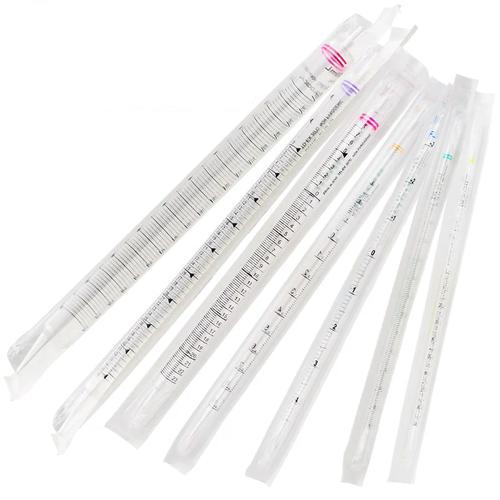
Have you ever thought about how important precision and sterility are in science? Sterile individually wrapped serological pipettes are a big deal for labs. They ensure accuracy and prevent contamination.
These pipettes are key in today’s science. They handle liquids from 1mL to 100mL with great care. They help scientists transfer liquids safely and keep everything sterile.
Experts use these pipettes for important work in cell culture, molecular biology, and microbiology. The wrapping keeps each pipette clean until it’s used. This greatly lowers the chance of contamination.
Key Takeaways
- Sterile individually wrapped serological pipettes come in multiple volume ranges
- Individual wrapping prevents contamination during scientific procedures
- Suitable for diverse research applications
- Gamma-sterilization ensures maximum purity
- Designed for single-use to maintain laboratory safety standards
Introduction to Sterile Individually Wrapped Serological Pipettes
Getting the right tools is key to scientific success. Sterile individually wrapped serological pipettes are a big step forward in lab tech. They help make research accurate and free from contamination in many fields.
Importance of Sterility in Laboratory Settings
Keeping things sterile is vital in science. The packaging of individual serological pipettes is crucial. It keeps sensitive samples safe from contamination. These pipettes have a special design that offers extra protection.
- Prevents cross-contamination
- Ensures sample integrity
- Maintains consistent experimental conditions
Today’s labs depend on these precise tools for reliable results. The gamma-sterilized polystyrene pipettes are made to high scientific standards.
Applications in Healthcare and Research
Sterile serological pipettes are key in many scientific areas, including:
- Cell culture research
- Molecular biology investigations
- Microbiology experiments
- Clinical diagnostic procedures
Researchers can pick from volumes of 1 mL to 50 mL. This meets different needs in experiments. The color-coded rings and negative graduations make them easy to use.
Precision is not an accident, but always the result of high intention and intelligent direction.
Key Features of Sterile Serological Pipettes
Sterile serological pipettes are key tools in today’s labs. They offer precision and reliability for scientists. These instruments meet the highest standards of lab performance.
These pipettes are crucial for researchers who need top-quality, single-use sterile packaging. Made from USP Class VI polystyrene, they provide excellent quality and performance.
Material Composition and Durability
Laboratory-grade pipettes have amazing material properties. They ensure top performance:
- USP Class VI polystyrene construction
- Chemical resistance for multiple applications
- Gamma irradiation sterilization process
- Free from RNase, DNase, and contaminants
Volume Options Available
Researchers have a wide range of volume options to choose from:
- 1 mL precision pipettes
- 5 mL standard research pipettes
- 10 mL multi-purpose pipettes
- 25 mL and 50 mL large volume pipettes
- 100 mL specialized research pipettes
Each pipette has easy-to-read bi-directional graduations. They have ±2% calibration accuracy for precise measurements in various scientific fields.
Advantages of Using Individually Wrapped Pipettes
Laboratory experts now use disposable sterile serological pipette pouches to keep research top-notch. These individually sealed pipettes bring many benefits. They make scientific work easier and keep results safe.

These pipettes do more than just keep things tidy. They offer strong protection against harmful contaminants.
Reducing Risk of Contamination
Sterile pipettes wrapped individually act as a strong shield against outside threats. They have special features to prevent contamination:
- Gamma sterilization kills all pathogens
- Polyester fiber plug stops too much liquid
- USP Class VI polystyrene is safe for lab use
- Sealed pouches stay sterile until used
Convenience and Easy Handling
Researchers love the easy-to-use nature of these pipettes. The color-coded design makes it easy to tell sizes. The precise graduations help measure volumes accurately.
- Flexible volume ranges from 1 to 50 mL
- Works with many pipette controllers
- Used once to avoid mixing samples
- Red color makes size easy to spot
These disposable sterile serological pipette pouches are a big step forward in lab safety and precision. They meet the high standards of cell culture, molecular biology, and microbiology research.
Regulatory Standards for Pipette Manufacturing
Laboratory precision needs strict quality control. Sterile individually wrapped serological pipettes face tough checks to ensure they work well and keep research honest.
Creating these aseptic serological pipette envelopes must follow strict international rules. Scientists and lab workers count on these strict production steps for top-notch quality.
Industry Regulation Framework
The making of sterile individually wrapped serological pipettes follows detailed quality management rules:
- ISO 9001:2008 certified production processes
- Gamma sterilization techniques
- Strict contamination prevention protocols
- Comprehensive quality assurance testing
Critical Certification Requirements
“Quality is never an accident; it is always the result of high intention, sincere effort, and intelligent direction.” – Laboratory Quality Management Principle
Important certification needs for sterile pipettes include:
- Non-pyrogenic certification
- RNase/DNase-free verification
- Accuracy calibration (+/- 2% at full volume)
- Contamination barrier integrity
These strict standards make sure every aseptic serological pipette envelope meets the highest scientific standards. This gives researchers dependable and consistent lab tools.
Comparison with Non-Sterile Pipettes
Laboratory experts always look for the best tools to improve research. Sterile, individually wrapped serological pipettes are a big step forward. They offer clear benefits over non-sterile ones.
There are key differences between sterile and non-sterile pipettes. These differences show up in several important areas:
- Contamination prevention with sterile pipette wrapping
- Enhanced measurement accuracy
- Reduced preparation time
- Consistent quality assurance
Cost-Effectiveness Analysis
Individual serological pipette packaging saves money in the long run. Although it might cost more at first, the benefits are worth it. It reduces errors and contamination risks.
| Performance Metric | Sterile Pipettes | Non-Sterile Pipettes |
|---|---|---|
| Contamination Risk | Minimal | High |
| Measurement Accuracy | 0.01ml – 1ml | Variable |
| Sterilization Method | Gamma Irradiation | Manual Cleaning |
Performance and Reliability
Sterile serologically wrapped pipettes are very reliable. They have precise volume control and clear ascending and descending graduations. The special packaging keeps each pipette in top shape, giving consistent results in science.
- Gamma-irradiated for guaranteed sterility
- Compatible with manual and motorized controllers
- Available in volumes ranging from 1ml to 100ml
Scientists can trust these carefully made tools. They help keep experiments consistent and reliable.
Proper Usage Guidelines for Serological Pipettes
When using wrapped serological transfer pipettes in labs, precision is key. Knowing the right techniques is crucial for accurate measurements. It also keeps scientific research reliable.
Scientists and researchers need to follow certain rules when using pre-sterilized serological pipette wraps. This ensures they work well and stay clean.
Techniques for Accurate Measurements
Getting accurate pipetting needs focus on a few important things:
- Always check the graduations before use
- Hold the pipette vertically when reading volume markings
- Use smooth, consistent motion when dispensing liquids
- Account for negative volume markings for extra capacity
Best Practices for Pipette Handling
Here are key tips for handling sterile individually wrapped serological pipettes:
- Inspect the pre-sterilized serological pipette wraps for any damage before use
- Use appropriate pipette controllers compatible with your specific pipette
- Maintain a clean work surface
- Avoid touching the tip of the pipette to prevent contamination
Pro tip: Always calibrate your pipettes annually to ensure maximum accuracy and precision within ± 5% of specifications.
Proper technique is as important as the equipment itself in maintaining scientific integrity.
Environmental Impact and Sustainability
Laboratory research creates a lot of plastic waste. Single-use sterile pipette packaging is a big problem. Scientists and manufacturers are looking for ways to make things better.
Modern labs are finding new ways to be kinder to the planet. They use polystyrene for pipettes, but they’re working on better options. They want to cut down on waste and carbon emissions.
Eco-Friendly Materials in Pipette Production
When making pipettes, labs think about the environment. They’re using:
- Recyclable polystyrene
- Low-carbon production methods
- Less plastic overall
Bioscientific research is a small part of global plastic pollution. But, manufacturers are coming up with new ideas to solve this problem.
Waste Management Practices
Good waste management for pipette packaging includes:
- Recycling programs
- Take-back schemes
- Other disposal methods
Being green can really help labs reduce their environmental impact. Some suppliers even offer recycling labels for polystyrene boxes. This makes it easier to manage waste.
The future of lab sustainability is about new materials and less waste.
Studies show that reusing lab equipment and better packaging can lower carbon emissions a lot. By doing this, labs can help protect the environment.
Choosing the Right Sterile Pipettes for Your Needs
Choosing the right individually sealed serological pipettes is key for precise lab results. Researchers and scientists need to look at several factors. This ensures the best performance and accuracy in their experiments.
When picking aseptic serological pipette envelopes, think about these important points:
- Specific volume needs for your research
- How often you do lab work
- If they work with your lab equipment
- How important sterility and avoiding contamination are
Essential Factors to Evaluate
Lab experts should check pipette features that affect results. Pipettes come in sizes from 1 mL to 50 mL. This range is great for various scientific tasks.
- Small volume pipettes (1-2 mL) are very precise
- Large volume pipettes (25-50 mL) make moving lots of liquid easy
- Pre-sterilized plastic reduces the chance of contamination
- Filtered pipettes add extra protection against airborne particles
User Recommendations
Experts recommend choosing high-quality, individually sealed serological pipettes. These should meet strict accuracy standards. Using pipettes that are reliable and sterile can greatly improve your results.
Invest in pipettes with a proven track record of precision and sterility.
It’s also important to think about the environment. Look for pipettes made from recyclable materials or that can be reused. This supports green lab practices.
Storage and Shelf Life of Sterile Individually Wrapped Pipettes
Keeping sterile individually wrapped serological pipettes in good condition is key. These precise tools need careful handling to stay sterile and work well. This is important in labs.

Laboratory experts must watch how they store these pipettes. This helps keep them in top shape for research.
Optimal Storage Conditions
Right storage is vital for these pipettes. The best conditions are:
- Temperature range between 15-25°C (59-77°F)
- Low humidity environment
- Protected from direct sunlight
- Clean, dust-free storage area
Expiration Dates and Quality Assurance
Sterile serological pipettes last three years if stored right. It’s important to check their quality to keep them working and clean.
| Pipette Size | Typical Shelf Life | Storage Recommendations |
|---|---|---|
| 1-2 mL | 3 years | Sealed packaging, controlled environment |
| 5-10 mL | 3 years | Original sterile wrapping intact |
| 25-100 mL | 3 years | Away from contamination sources |
Labs should keep track of when these pipettes expire. This helps them stay fresh and avoid contamination. Regular checks are crucial for quality research.
Conclusion: The Essential Role of Sterile Pipettes in Laboratories
Sterile individually wrapped serological transfer pipettes are key in science and medicine. They have changed how we handle liquids in labs, making experiments more precise and safe. The packaging keeps them clean and stops contamination.
Labs rely on these pipettes for detailed research. They solve big problems in handling liquids, making results more reliable. Scientists use them for cell studies, microbiology, and medical tests with confidence.
Key Research Insights
Today, labs value disposable sterile pipettes more than ever. They cut down on contamination risks and work well in many scientific tasks. Future improvements will likely make them easier to use and more protective.
Emerging Technology Trends
As science grows, so will the role of sterile pipettes. New materials, designs, and packaging will make them better. Soon, pipettes will be even more helpful, tackling today’s research challenges.
FAQ
What are sterile individually wrapped serological pipettes?
Sterile individually wrapped serological pipettes are single-use tools for precise liquid transfer. They come in sterile pouches to prevent contamination. Made from USP Class VI polystyrene, they are available in various volumes for scientific research and healthcare.
Why are individually wrapped pipettes important in laboratory settings?
Individually wrapped pipettes are key because they prevent cross-contamination. They ensure sterility and are ready to use. The packaging keeps each pipette clean until use, vital for sensitive experiments.
What volume ranges are available in sterile serological pipettes?
Sterile serological pipettes range from 1mL to 100mL. This allows researchers to pick the right size for their needs. Common sizes include 1mL, 5mL, 10mL, 25mL, and 50mL, all with clear graduations for accurate measurements.
How do I ensure proper sterility when using these pipettes?
To keep them sterile, follow these steps:
– Open packaging only when ready
– Avoid touching the tip
– Use aseptic technique
– Dispose of after single use
– Work in a clean environment
Are these pipettes compatible with different pipette controllers?
Yes, these pipettes work with most standard controllers and manual techniques. They have a universal design for easy use with various lab equipment.
What certifications should I look for when selecting sterile pipettes?
Look for RNase/DNase-free status, non-pyrogenic certification, and USP Class VI material compliance. Also, check for ISO 9001 manufacturing standards and CE marking for European compliance.
How should sterile pipettes be stored?
Store them in a cool, dry place away from sunlight. Keep the temperature between 15-25°C (59-77°F) with moderate humidity. Always check the expiration date before use.
Can these pipettes be recycled?
Many are made from recyclable polystyrene. But, due to contamination risks, most labs dispose of them as biohazardous waste. Follow local regulations and guidelines.




Leave a Comment
Your email address will not be published. Required fields are marked *