



Ever thought about how scientists measure tiny microorganisms in food, water, or medical samples? They use a method called plate count in microbiology to find out. This lets them see the hidden world of microbes.
A plate count is a key way to count bacteria by growing them on special agar media. It helps scientists understand how many microbes are in different samples. This method gives them a clear number of microorganisms in each sample.
Microbiologists turn tiny microbes into visible colonies using plate counts. They first dilute the sample. Then, they spread it on agar surfaces. Finally, they incubate it to let the bacteria grow.
Key Takeaways
- Plate count is a fundamental technique for measuring microbial populations
- Enables quantitative assessment of bacterial concentrations
- Provides critical insights into sample microbiological quality
- Involves precise dilution and controlled incubation processes
- Used across multiple industries including food, pharmaceutical, and environmental sectors
Introduction to Plate Count in Microbiology
Plate count is a key method in microbiology. It helps scientists find out how many living microorganisms are in samples. This way, they can count the bacteria in a sample accurately.
Viable cell counting lets researchers figure out how many living microorganisms are in a sample. They do this by diluting and plating the samples. This makes it possible to count the colony forming units (CFUs).
Definition of Plate Count
A plate count is a way to count the number of living microorganisms in a sample. It uses dilution series to turn complex bacterial populations into easy-to-count colonies.
- Identifies living bacterial cells
- Provides accurate population estimates
- Enables reproducible scientific measurements
Importance of Plate Count in Microbiology
Plate count techniques are very important in science and industry. They help researchers check for microbial contamination, track bacterial growth, and keep products safe.
“Accurate plate counting is fundamental to understanding microbial dynamics and maintaining quality control in scientific research.”
The standard plate count method needs careful dilution. Researchers aim for plates with 30-300 colony forming units for reliable results. This helps them get accurate counts in research and industry.
Plate count techniques turn complex bacterial populations into easy-to-count colonies. This gives scientists important insights into how bacteria behave, their numbers, and contamination risks.
The Basics of Microbial Enumeration
Quantitative microbiology is all about counting and studying microorganisms. Scientists use special methods to learn about these tiny life forms. They do this in places like food factories and medical labs.

The agar plate technique is a key way to count microbes. It lets researchers see and count different types of microorganisms very accurately.
Types of Microorganisms Counted
Scientists can count many types of microbes using plate methods:
- Bacteria
- Yeasts
- Molds
- Aerobic microorganisms
Methods of Enumeration
There are several ways to count microbes accurately:
- Spread plate method
- Pour plate technique
- Serial dilution
Accurate microbial counting needs careful technique and standard protocols.
For counting to be reliable, there should be 30 to 300 colonies per plate. Plates with less than 20 or more than 400 colonies are not good for counting microbes.
| Enumeration Method | Typical Application | Accuracy Range |
|---|---|---|
| Spread Plate | Surface-level microorganisms | 30-300 colonies |
| Pour Plate | Total microbial population | 30-300 colonies |
| Serial Dilution | Reducing microbial concentration | 1-10 cells per milliliter |
When studying microbes, the temperature is usually between 20° to 35° Celsius. The agar plate technique is a key tool for counting microbes. It helps researchers understand how many microbes are present.
The Plate Count Method Explained
Microbiological research needs precise methods to count microbes. The plate count method is key for counting live microbes in samples. Scientists use two main methods: the spread plate and the pour plate to get accurate counts.
Getting samples ready is very important. Researchers must follow strict steps to get right results.
Key Equipment for Plate Counting
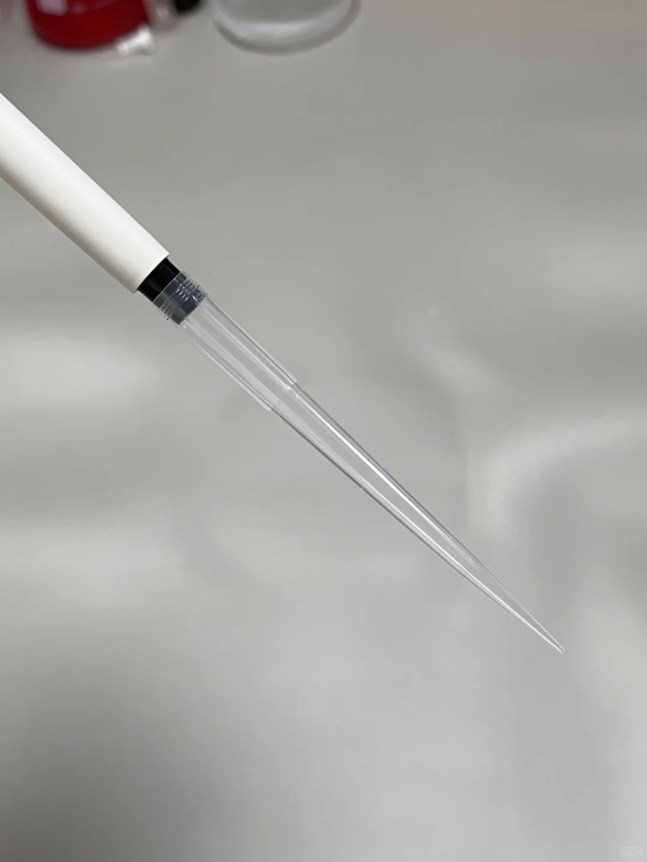
- Sterile pipettes
- Dilution blanks
- Agar plates
- Incubator
- Sterile petri dishes
- Micropipettes
Step-by-Step Plate Counting Process
- Prepare serial dilutions of the sample
- Select appropriate plate count method (spread plate or pour plate)
- Inoculate prepared agar plates
- Incubate plates at specific temperature
- Count visible colonies
The spread plate method spreads a small amount of diluted sample on solid agar. The pour plate method mixes the sample with hot agar before it solidifies.
Accurate plate counting demands meticulous technique and standardized procedures.
| Method | Sample Distribution | Typical Colony Range |
|---|---|---|
| Spread Plate | Surface application | 30-300 colonies |
| Pour Plate | Mixed with molten agar | 30-300 colonies |
For good results, plates should have 30 to 300 colonies. Plates with less than 30 colonies are too few to count (TFTC). Plates with more than 300 colonies are too many to count (TMTC).
Types of Plate Count Methods
Quantitative microbiology uses different plate count methods to count microorganisms. These methods help researchers understand how many bacteria are in a sample.

There are many plate counting ways in microbiology. Each one is used for different research goals and types of bacteria. They all give us important information about bacteria.
Total Plate Count (TPC)
Total Plate Count measures all living microorganisms in a sample. It counts:
- All culturable microorganisms present
- Provides a broad overview of microbial load
- Useful for assessing overall sample quality
Aerobic Plate Count (APC)
Aerobic Plate Count focuses on bacteria that need oxygen. It’s important because it:
- Targets bacteria that grow in oxygen-rich environments
- Is crucial for food safety assessments
- Helps find out if food might spoil
Yeast and Mold Plate Count
This method counts yeast and mold. It uses special media to help these fungi grow. This way, we can count them accurately.
Accurate plate counting needs careful technique and standard methods. This ensures we get reliable results.
| Plate Count Method | Target Microorganisms | Primary Application |
|---|---|---|
| Total Plate Count | All Viable Microorganisms | Comprehensive Microbial Assessment |
| Aerobic Plate Count | Oxygen-Requiring Bacteria | Food Safety Evaluation |
| Yeast and Mold Count | Fungal Organisms | Fungal Population Analysis |
Each plate count method has its own value in microbiology. They help researchers understand bacteria in different samples.
Understanding CFU (Colony Forming Units)
Microbial testing uses a key measure called colony forming units (CFU). It helps count the living microorganisms in a sample. This method is precise for counting cells and studying microbial groups.
CFU shows the number of living microorganisms that can grow in a lab. Each colony on an agar plate comes from one living cell. This makes it easy to see how many microbes there are.
What Exactly is a Colony Forming Unit?
A colony forming unit is a way to measure the number of living microbial cells. It has important traits:
- It shows living microorganisms that can grow
- It’s counted between 25-250 colonies per plate
- It gives a clear number of microbial populations
Importance in Microbial Testing
CFU analysis is key in many fields:
- Food safety checks
- Water quality tests
- Pharmaceutical quality checks
- Environmental microbiology studies
“CFU measurement allows scientists to accurately quantify living microorganisms with remarkable precision.”
Scientists use advanced methods like dilution series and special counting techniques. New technologies, like automated software, make counting colonies easier.
Understanding CFU gives deep insights into microbial groups. It’s crucial for scientific and industrial work.
Applications of Plate Count in Various Industries
Microbiological analysis is key in keeping industries safe and quality high. Techniques like plate count methods help understand microbial levels and contamination.

Many industries need precise microbial tests to meet quality standards and protect health. The plate count method is a strong tool for checking microbial loads in different settings.
Food and Beverage Industry
In food production, plate count methods are vital for safety checks. Here are some important facts:
- One in six Americans gets a foodborne illness each year
- Nearly 130,000 hospitalizations happen yearly from foodborne illnesses
- Approximately 3,000 deaths occur from foodborne illnesses yearly
Pharmaceutical Industry
Pharmaceutical makers use plate count techniques to check product sterility and safety. The Aerobic Plate Count (APC) test is especially useful for:
- Checking injectable product sterility
- Tracking microbial contamination levels
- Meeting regulatory standards
Environmental Monitoring
Environmental checks rely on microbiological analysis to track microbial populations. Plate count methods help in:
- Testing bacterial contamination in water systems
- Monitoring surface microbial loads
- Checking ecosystem microbial health
“Accurate microbial enumeration is the cornerstone of effective quality control across industries.” – Microbiology Research Institute
| Industry | Primary Application | Key Benefit |
|---|---|---|
| Food | Safety Monitoring | Prevent Contamination |
| Pharmaceutical | Product Sterility | Ensure Patient Safety |
| Environmental | Microbial Assessment | Ecosystem Health |
The flexibility of plate count methods makes them crucial in today’s scientific and industrial quality control.
Factors Affecting Plate Count Results
Microbial enumeration is a precise science. Many factors can affect the accuracy of results. Researchers must control these factors to get reliable results with the agar plate technique.
Knowing what affects microbial testing is key. It helps labs keep their research precise and consistent.
Sample Preparation Considerations
Getting the sample right is crucial for accurate counts. Important steps include:
- Ensuring the sample is evenly mixed
- Using clean equipment
- Correctly diluting the sample
- Keeping it free from contamination
Incubation Conditions
The incubation environment greatly affects results. Important factors include:
| Parameter | Optimal Range | Impact on Results |
|---|---|---|
| Temperature | 35-37°C | Promotes consistent bacterial growth |
| Humidity | High | Prevents medium dehydration |
| Incubation Time | 24-48 hours | Allows sufficient colony development |
Culture Media Selection
Choosing the right culture media is essential. Different microbes need specific nutrients to grow well.
“The right culture medium can make the difference between accurate results and misleading data.” – Microbiology Research Quarterly
Labs should pick media that:
- Supports the growth of the target microorganism
- Blocks unwanted bacteria
- Provides the needed nutrients
- Meets the research goals
By managing these factors well, researchers can improve the accuracy of their microbial counts.
Interpreting Plate Count Results
Quantitative microbiology is key in understanding microbiological analysis. It helps us get precise plate count results. Researchers and food safety experts use these results to check bacterial populations and ensure product quality.
When we look at plate count results, we need to consider several important factors. These factors give us insights into microbial growth and potential risks.
Acceptable Limits in Microbiological Analysis
Each food type has its own acceptable plate count ranges. These ranges show if a product is safe and of good quality. They help us spot any contamination risks.
- Raw milk: 800 – 630,000 APC per gram
- Fresh ground beef: 100,000 APC per gram
- Prepackaged cut chicken: 100,000 APC per gram
- Frozen vegetables: 1,000 – 100,000 APC per gram
Analyzing Growth Patterns
Looking at microbial growth patterns tells us a lot about bacterial populations. Aerobic Plate Count (APC) gives us a broad view of bacteria across different temperatures.
| Product | APC Range (per gram) | Interpretation |
|---|---|---|
| Almonds | 10 – 1,000 | Low bacterial population |
| Walnuts | 31,000 – 2,000,000 | Wider bacterial variation |
| Wild Rice (before hulling) | 1,800,000 | High bacterial contamination |
Reporting Results
When we report quantitative microbiology results, we need to document everything. We should include:
- Total Colony Forming Units (CFU)
- Incubation conditions
- Specific bacterial identification
- Comparison to acceptable limits
“Precision in microbiological analysis is not just about numbers, but understanding the story behind those numbers.”
By thoroughly interpreting plate count results, we ensure food safety and quality. This is crucial for managing risks in many industries.
Advantages and Limitations of Plate Count
Viable cell counting is a key method for studying microorganisms. The plate count method gives us important insights but also has its own set of challenges.
Scientists see plate count methods as essential in studying microbes. They have their own strengths and weaknesses.
Advantages of Plate Count Method
- Direct visualization of living microorganisms
- Cost-effective approach for viable cell counting
- Sensitive detection of bacterial populations
- Applicable across multiple research domains
- Provides quantitative results as colony-forming units (CFUs)
Limitations and Challenges
Despite its wide use, the plate count method faces big challenges:
| Challenge | Impact |
|---|---|
| Time-consuming process | Incubation can take 1-7 days |
| Underestimation risk | Potential miss of viable but non-culturable organisms |
| Growth medium limitations | Not all microbes grow on standard media |
“The Great Plate Count Anomaly suggests that numerous bacterial types remain uncultured due to traditional plating method constraints.”
Researchers must think carefully about these issues when choosing counting methods. Selecting the right methods is crucial for accurate microbiological analysis.
Alternative Methods to Plate Count
Microbiological analysis is getting better with new techniques. These new methods help us find and count microbes more accurately.
Now, labs use many advanced methods to improve on old ways. These new ways give us a better look at the microbes around us.
Molecular Techniques
Molecular techniques are a big step forward in studying microbes. They use genetic information to identify and count microbes very precisely.
- Polymerase Chain Reaction (PCR) for quick genetic ID
- DNA sequencing for detailed microbial info
- Genetic amplification for better sensitivity
Flow Cytometry
Flow cytometry counts cells fast with advanced tech. It lets researchers quickly and accurately analyze individual microbes.
| Method | Key Advantages | Processing Time |
|---|---|---|
| Flow Cytometry | Rapid cell counting | Minutes |
| Molecular Techniques | Genetic precision | Hours |
Membrane Filtration
Membrane filtration makes it easier to study microbes from liquids. It helps catch microbes that might be missed by old methods.
“Innovative detection methods are transforming our understanding of microbial populations.” – Microbiology Research Institute
These new methods show how far microbiology research has come. They give scientists better tools for studying microbes.
Conclusion and Future Directions
The world of microbiology is always changing, with plate counts playing a key role. These methods are more than just counting microbes. They are essential tools that help us understand microbial life in many fields.
New technologies are changing how we do plate counts. Scientists are working on better ways to count microbes quickly and accurately. Tools like automated systems and digital imaging are making this work easier and more precise.
The future looks bright with faster and more detailed ways to study microbes. While plate counts are still important, new methods like flow cytometry and genetic screening are on the rise. These new tools will help us learn more about microbes faster than ever before.
As we learn more, plate count methods will get even better. Scientists are aiming to make these methods more sensitive and able to analyze microbes in real-time. This will help us understand microbial communities in different places better than ever.
Summary of Key Points
This article has shown how vital plate count methods are in microbiology. They help us study bacteria and keep products safe. These techniques are at the heart of microbiological research.
Innovations in Microbiological Testing
New technologies are making plate counting better and faster. These advancements will help us detect and understand microbes more accurately. This is a big step forward in microbiological analysis.
Future Trends in Plate Count Methods
The future of plate counts is all about using the latest tech and molecular methods. Scientists are working on even more advanced ways to study microbes. These new approaches will change microbiological testing and help us learn more about microbial life.
FAQ
What is a plate count in microbiology?
A plate count is a way to find out how many living microorganisms are in a sample. It counts the colonies that grow on a special medium. This helps scientists know how many bacteria, yeasts, or molds are present.
How are plate count methods performed?
To do a plate count, you first make a diluted version of the sample. Then, you spread a bit of it on agar plates. After incubation, you count the colonies. This tells you how many microorganisms were in the original sample.
There are two main ways to do this: the spread plate method and the pour plate method.
What are Colony Forming Units (CFUs)?
CFUs are the number of living microorganisms in a sample that can grow into colonies. Each CFU comes from a single microorganism or a small group. They grow and multiply on a culture medium in the lab.
What industries use plate count methods?
Many industries use plate counts, like food, pharmaceuticals, healthcare, and environmental monitoring. They help ensure quality, safety, and meet microbial standards in products and environments.
What are the different types of plate count methods?
There are several types of plate counts, such as Total Plate Count (TPC) and Aerobic Plate Count (APC). There are also counts for yeasts and molds, and specific groups of microorganisms. Each method counts different types of microbes under certain conditions.
What factors can affect plate count results?
Many things can change plate count results, like how you prepare the sample and the incubation conditions. The type of culture medium and how accurately you dilute the sample also matter. Keeping these factors the same is key to getting reliable results.
Are there alternative methods to traditional plate counting?
Yes, there are other ways to count microbes, like PCR and flow cytometry. These methods can be faster or more specific than traditional plate counting. But, each has its own strengths and weaknesses.
How accurate are plate count methods?
Plate counts are usually reliable for counting microbes, but they have some limits. They only count microbes that can grow in the lab and might miss others. It’s important to follow strict techniques and use standardized protocols to get accurate results.





Leave a Comment
Your email address will not be published. Required fields are marked *