



Ever think about how ancient people made simple foods into complex ones without today’s tech? Fermentation microbiology opens up the secret world of tiny changes that have fed us for ages.
So, what is fermentation microbiology? It’s a complex process where tiny life forms like yeasts and bacteria turn simple stuff into something valuable. It’s where biology, chemistry, and cooking meet, showing us more than just how to keep food fresh.
For over ten thousand years, humans have used microbes to make food better and last longer. They’ve made tangy yogurt and strong wines through these tiny helpers. The way these microbes work is still a big mystery to scientists and food lovers.
Key Takeaways
- Fermentation microbiology involves microorganisms converting sugars into various substances
- The process has been crucial in food preservation for thousands of years
- Fermentation occurs across multiple industries, including food, pharmaceuticals, and biotechnology
- Microorganisms play a critical role in breaking down organic compounds
- Temperature and pH levels significantly impact fermentation success
Introduction to Fermentation Microbiology
Fermentation is a fascinating process that is key in many fields. It’s how microorganisms make energy without using oxygen. This is a basic way they survive.
Microorganisms have special ways to live without oxygen. They break down carbs to get energy. This is done through unique chemical reactions.
Definition of Fermentation
Fermentation is an anaerobic metabolic process. Microorganisms turn carbs into alcohol, acids, or gases. It’s important because:
- It happens without oxygen
- It makes less energy than breathing oxygen
- Each microorganism makes different products
Importance in Biological Processes
Fermentation is vital in many areas:
- It helps microorganisms make energy
- It’s used in making food and drinks
- It’s important in making medicines
- It helps in recycling nutrients in nature
“Fermentation is not just a metabolic process, but a fundamental strategy of life itself.” – Microbiology Research Institute
The global market for fermented foods is about USD 30 billion. This shows how important fermentation is. It includes many types of fermentation, like making alcohol and acids.
The Role of Microorganisms in Fermentation
Fermentation microorganisms are the unsung heroes of food transformation. They drive complex biological processes that create some of our most beloved culinary products. These microscopic organisms work silently to convert simple ingredients into extraordinary flavors and textures.
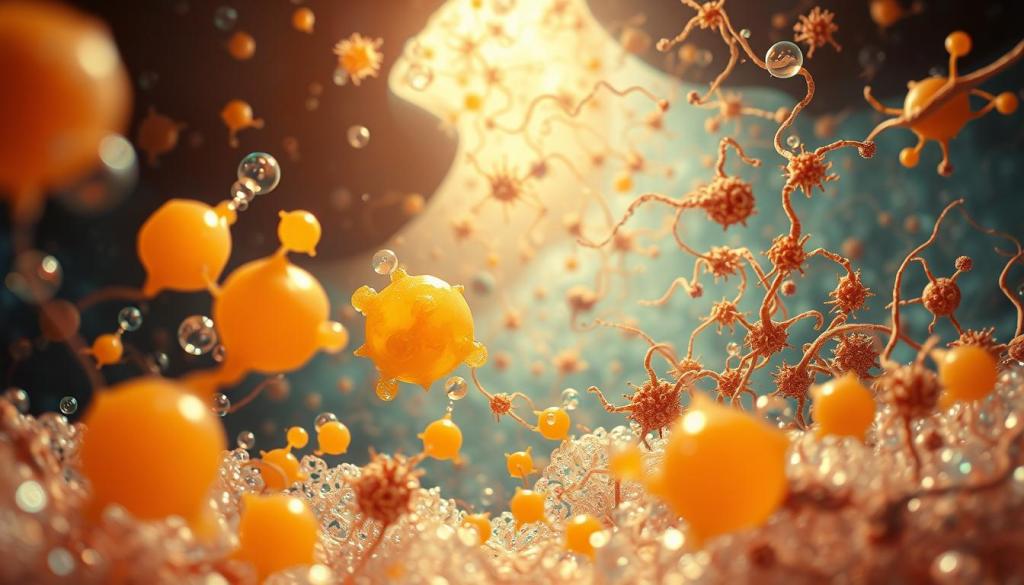
Fermentation involves a diverse range of microorganisms. They play critical roles in creating unique food and beverage experiences. These biological catalysts transform raw ingredients through sophisticated biochemical processes.
Types of Microorganisms in Fermentation
The world of fermentation microorganisms is incredibly rich and varied. Key players include:
- Bacteria (Lactic Acid Bacteria)
- Yeasts (especially Saccharomyces)
- Molds (such as Rhizopus species)
Mechanisms of Yeast Fermentation
Yeast fermentation is particularly fascinating. These microorganisms convert sugars into alcohol and carbon dioxide through intricate metabolic pathways. Saccharomyces cerevisiae, for instance, is crucial in bread and beer production.
Fermentation is nature’s method of preservation and flavor enhancement.
Different microorganisms produce distinct end products:
- Lactic acid bacteria create tangy yogurt
- Yeasts generate alcoholic beverages
- Specific molds develop unique cheese flavors
Remarkably, 90% of naturally fermented foods worldwide are produced under traditional home production conditions. This highlights the universal importance of these microorganisms.
History and Development of Fermentation Microbiology
The journey of fermentation spans thousands of years. It shows a fascinating story of human innovation and scientific discovery. From ancient times to today’s labs, fermentation has been key to human progress.
Fermentation’s roots go back to about 10,000 B.C.E. Early humans in the fertile crescent region developed ways to preserve food and make drinks. Archaeological finds show early success in using fermentation for these purposes.
Ancient Practices of Fermentation
Early societies learned about fermentation through observation and trial and error. Important milestones include:
- 7,000 B.C.: Fermentation of fruits, rice, and honey
- 5,000 B.C.: Sumerians and Egyptians made fermented bread, wine, and beer
- 500 B.C.: They also used fermented soybeans for medicine
“Fermentation is one of the main contributors to humanity’s development and can be considered the first use of biotechnology.”
Modern Advances in Fermentation Research
In the 19th century, our understanding of fermentation changed a lot. Louis Pasteur’s work in 1856 showed that fermentation needs live microbes. This changed how we see these biological processes.
| Year | Scientific Milestone |
|---|---|
| 1878 | First model for microbial roles in food fermentation |
| 1900s | Identification of Lactobacillus acidophilus strain |
| 1970 | Commercialization of designer probiotics |
The evolution of fermentation research continues to unlock remarkable potential across multiple industries, from food production to pharmaceutical development.
Fermentation Processes in Different Industries
Fermentation is a key biological process in many industries. It turns raw materials into valuable products with the help of microbes. This process is used in many fields, leading to new and innovative solutions.
Fermentation has changed how we make food and products in many industries. It makes production more sustainable and efficient.
Food and Beverage Industry Innovations
In the food and drink world, fermentation is very important. It helps make many different products:
- Alcoholic drinks like beer and wine
- Dairy items such as yogurt and cheese
- Preserved foods like pickles and sauerkraut
- Special breads and baked goods
Pharmaceutical Breakthrough Applications
Pharmaceutical research uses fermentation for big advancements:
- Creating antibiotics
- Developing vaccines
- Making therapeutic proteins
- Producing enzymes
Sustainable Biofuel Production
Biofuel making is a new and exciting use of fermentation. Microorganisms turn organic stuff into clean energy. This helps cut down on harmful emissions and makes our environment better.
“Fermentation turns waste into valuable resources, driving innovation across industries.”
Using fermentation wisely helps us solve big problems in industry. It leads to better and greener ways to make things.
Types of Fermentation Techniques
Fermentation is a cool metabolic process where tiny organisms change nutrients. They do this through special biochemical paths. This shows how complex anaerobic fermentation is and its key role in life.
Each fermentation method makes different products. These products are vital in many fields. Scientists have found several main ways to change molecules through fermentation.
Aerobic vs. Anaerobic Fermentation
The big difference between aerobic and anaerobic fermentation is oxygen use:
- Aerobic fermentation needs oxygen for its work
- Anaerobic fermentation happens without oxygen
- Oxygen affects how much energy is made
“Fermentation is nature’s smart way to make energy when it’s hard.”
Lactic Acid Fermentation
Lactic acid fermentation is very important in life. It has a few key points:
- It happens in mammal red blood cells and muscles
- It turns pyruvic acid into lactic acid
- The enzyme lactate dehydrogenase helps it happen
Alcoholic Fermentation
Alcoholic fermentation is another big method with complex reactions:
| Process Stage | Reaction Details |
|---|---|
| First Reaction | Pyruvate decarboxylase turns pyruvic acid into acetaldehyde |
| Second Reaction | Alcohol dehydrogenase changes acetaldehyde into ethanol |
| Yeast Tolerance | Yeast can handle 5-21% ethanol |
These fermentation methods show how flexible microorganisms are. They can make energy and useful products in science and industry.
Key Biochemical Pathways in Fermentation
Fermentation is a complex process that changes organic molecules into useful products. It involves many biochemical steps. These steps show how microorganisms turn nutrients into valuable products.
Glycolysis: The Foundation of Fermentation
Glycolysis is the first step in fermentation. It breaks down glucose into pyruvate, making 2 ATP molecules per glucose. This process uses many enzymes, preparing for other fermentation steps.
- Maximum ATP yield: 2 molecules per glucose
- Organic molecules used as final electron acceptors
- Substrate-level phosphorylation generates energy
Fermentation Pathway Variations
Microorganisms have different fermentation pathways. Each one makes unique products. This shows how flexible microbes are in making useful products.
| Fermentation Type | Primary Products | Typical Organisms |
|---|---|---|
| Lactic Acid Fermentation | Lactic Acid | Lactobacillus |
| Alcoholic Fermentation | Ethanol, CO2 | Saccharomyces cerevisiae |
| Mixed Acid Fermentation | Multiple Organic Acids | E. coli |
The variety of fermentation pathways shows how adaptable microbes are. They can turn nutrients into valuable products in many ways.
“Fermentation is not just a process, but a testament to the intricate metabolic capabilities of microorganisms.” – Microbial Biochemistry Research Group
Applications of Fermentation Microbiology
Fermentation microbiology is key in many industries. It changes how we see life and technology. Fermented foods and industrial processes are now vital for science.
Probiotics and Gut Health
Fermented foods are full of good bacteria. They help our digestion and health. These microbes offer many benefits, like:
- Improving digestive system functionality
- Boosting immune system responses
- Reducing inflammation
- Enhancing nutrient absorption
Industrial Applications and Biotechnology
Fermentation is used in many ways, not just for food. It helps in creating new products and solutions in different fields.
| Industry | Fermentation Application |
|---|---|
| Pharmaceutical | Antibiotic production, insulin manufacturing |
| Food Processing | Single-cell protein development |
| Energy | Biofuel production (bioethanol, biodiesel) |
| Environmental | Bioremediation processes |
“Fermentation represents a transformative technology bridging traditional practices with cutting-edge scientific innovations.” – Microbiology Research Institute
Fermentation is very flexible and can solve big problems. It helps in making things more sustainable, improving health, and protecting the environment. As we learn more, fermentation will help us tackle even bigger challenges.
Challenges in Fermentation Microbiology
The fermentation process is full of complex challenges. Researchers and industrial experts must handle these carefully. They need to control and manage microbial fermentation well to get the best results.
Contamination Risks in Fermentation
Contamination is a big challenge in fermentation microbiology. Bad microorganisms can ruin product quality and safety. This can cause big economic losses.
- Bacterial intrusion during fermentation process
- Potential cross-contamination from equipment
- Environmental control limitations
Yield Optimization Strategies
To improve microbial fermentation yields, experts manage key parameters carefully. They use advanced techniques to boost production efficiency.
| Parameter | Optimization Impact |
|---|---|
| Temperature Control | Up to 15% yield improvement |
| pH Management | Reduces contamination risk by 22% |
| Nutrient Composition | Increases microbial performance by 18% |
“Precision in fermentation is not an option—it’s a necessity for scientific success.” – Microbiology Research Institute
Advanced technologies like automated end-to-end solutions help reduce contamination risks. They also cut down on human errors during fermentation. Single-use technologies are also seen as a promising way to improve efficiency in manufacturing.
Regulatory approvals from the FDA and EMA are key for quality control in microbial fermentation. Working with specialized organizations can help companies boost their processing capacity. It also ensures they meet current Good Manufacturing Practice (cGMP) standards.
Future Trends in Fermentation Science
Fermentation science is changing fast, thanks to new tech and a focus on being green. Experts are looking into new areas that could change how we use fermentation in many fields.
Innovations in Fermentation Technology
New ways to use microorganisms for making things are coming up. Some big changes include:
- Single-use bioreactor systems that make things more efficient
- Artificial intelligence to make the process better
- Continuous fermentation methods
- Advanced genome sequencing tools
Synthetic biology tools are now enabling rapid establishment of microbial systems for large-scale industrial applications.
Sustainable Practices in Fermentation
The future of fermentation is all about being green. New ideas are coming up to tackle big environmental issues:
- Using waste as food for fermentation
- Creating energy-saving ways to make things
- Lowering greenhouse gas emissions with precise fermentation
Microbial fermentation is really promising, growing biomass fast. The global market for fermentation technology is projected to grow significantly, showing more people are getting into this field.
As things move forward, precision fermentation is a big deal. It could cut water use by up to 99% compared to old farming ways. This shows how important it is for making food production more sustainable.
Conclusion
Fermentation microbiology is a key science with big impacts across many fields. It’s a complex process where tiny organisms change organic stuff into something new. These tiny beings help create everything from food and drinks to new fuels.
This field is more than just a simple science. Over 25% of bacteria and archaea are involved in fermentation. They make more than 50 different products. Scientists are always finding new ways to use this knowledge in things like green energy and making new medicines.
Key Insights and Future Potential
Learning about fermentation microbiology helps us understand how life changes things. It’s been around since 7000 BC, but it’s still evolving. It’s a field full of possibilities for making our world better.
Scientific and Industrial Significance
As we learn more, fermentation microbiology will lead to big breakthroughs. It could help make better fuels, medicines, and use resources wisely. The work of these tiny organisms could solve big global problems.
FAQ
What is fermentation microbiology?
Fermentation microbiology is a field that studies how microorganisms change organic compounds into products. It looks at the biochemical paths, the microorganisms involved, and how substances like sugars turn into alcohol, acids, and other valuable compounds. These compounds are used in food, drinks, medicine, and biotechnology.
How do microorganisms contribute to fermentation?
Microorganisms like bacteria, yeasts, and fungi are key in fermentation. They break down organic compounds without oxygen. Using enzymes, they change sugars into ethanol, lactic acid, and other products. This process helps make many foods, drinks, and industrial materials.
What are the main types of fermentation?
There are two main types: lactic acid fermentation and alcoholic fermentation. Lactic acid fermentation makes yogurt and pickles by changing sugars to lactic acid with bacteria. Alcoholic fermentation, done by yeasts, creates ethanol and is used in beer, wine, and other drinks.
What industries use fermentation processes?
Fermentation is used in many industries. It’s in food and drinks (like bread, cheese, and alcoholic beverages), pharmaceuticals (for antibiotics and vaccines), biofuels, biotechnology (for enzymes and materials), and probiotics for health supplements.
What challenges exist in fermentation microbiology?
Challenges include stopping unwanted microorganisms, improving fermentation yields, and controlling factors like temperature and pH. Scientists use sterile methods, precise control, and genetic engineering to solve these problems.
How has fermentation technology evolved?
Fermentation has grown from simple food preservation to a complex science. Now, we have advanced bioreactors, continuous processes, artificial intelligence for optimization, and focus on sustainability. We also use waste as substrates for fermentation.
What are the biochemical pathways in fermentation?
The main pathway is glycolysis, where glucose is broken down into pyruvate. Then, different types of fermentation convert pyruvate into products like ethanol or lactic acid through specific reactions.
What role does fermentation play in health?
Fermentation creates probiotics and beneficial bacteria for gut health. Foods like yogurt, kimchi, and kefir have these microorganisms. They can boost the immune system, aid digestion, and offer other health benefits.
What are future trends in fermentation science?
Future trends include making fermentation more sustainable, creating eco-friendly materials, using AI for optimization, exploring new biotechnologies, and finding innovative uses for fermentation. These aim to solve global challenges in food, medicine, and sustainability.






Leave a Comment
Your email address will not be published. Required fields are marked *