


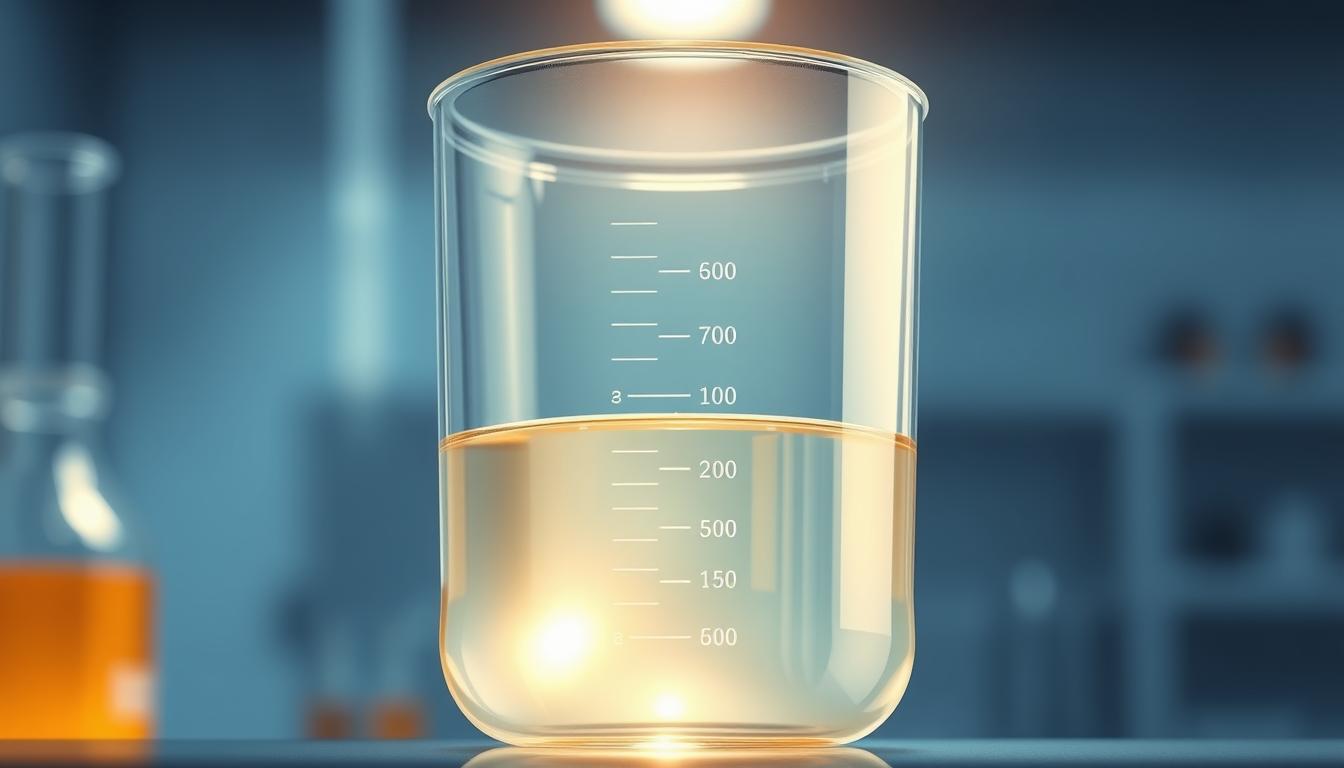
Ever thought about how a tiny amount can change a cell culture experiment? Knowing the minimum volume in cell culture media reservoir is key for researchers. It helps them get precise and reliable results in their studies.
The minimum volume for cell culture reservoirs is usually between 0.2 mL and 0.3 mL per square centimeter. This balance is important for the best cell growth and nutrient spread in different research settings.
Scientists need to think about the cell type, the container, and what they need for their experiment. Each cell culture vessel has its own volume needs to keep cells healthy and the experiment valid.
From small microplates to big cell stacks, each setup has its own volume challenges. Getting the volume right can greatly affect cell growth, yield, and the success of the experiment.
Key Takeaways
- Minimum volume ranges from 0.2-0.3 mL per square centimeter
- Different cell culture vessels require unique volume strategies
- Proper volume management impacts cell yield and experimental success
- Cell type and container specifications influence minimum volume requirements
- Precision in volume control is critical for reproducible research
Understanding Cell Culture Reservoirs
Cell culture reservoirs are key in scientific research. They help manage and distribute cell growth media and reagents. These containers are vital for keeping cells healthy in different experiments.
Scientists need to manage the volume of cell culture flasks carefully. The size of the reservoir is crucial for cell growth and research success.
Critical Functions of Cell Culture Reservoirs
- Provide stable environment for cell growth
- Enable consistent media distribution
- Support precise volume control
- Minimize contamination risks
Research Significance
Cell culture reservoirs are vital in many research areas. These include:
- Pharmaceutical development
- Genetic research
- Regenerative medicine
- Cancer studies
“Precision in cell culture reservoir design can significantly enhance experimental reliability and reproducibility.” – Laboratory Research Institute
Laboratories must think about the minimum reservoir size to avoid contamination. Data shows contamination can range from small losses to big problems in experiments.
Technological Innovations
New cell culture technologies are improving reservoir design. They focus on better volume control, less contamination, and more efficient experiments. Microfluidic perfusion is a leading edge in this area.
The Role of Minimum Volume
Cell culture success depends on understanding the relationship between dish capacity and vessel volume. Researchers must manage these carefully for optimal cell growth and nutrient distribution.

The minimum volume in cell culture reservoirs is key for cell development and research outcomes. Managing volume precisely impacts cell health and research reliability.
Impact on Cell Growth
Right vessel volume is crucial for cell growth. Researchers suggest specific volumes for optimal growth:
- 0.2mL to 0.3mL medium per square centimeter of culture vessel surface
- Minimum total well volume: 30 µL
- Recommended well volumes: 50-130 µL per well
Nutrient Distribution Strategies
Effective nutrient distribution depends on calculated dish capacity. Volume affects:
- Oxygen exchange
- Metabolic waste removal
- Cellular nutrition
“Every microliter matters in cell culture research” – Cell Biology Research Team
| Cell Line | Recommended Seeding Density |
|---|---|
| A549 | 10,000 cells per well |
| HeLa | 5,000 cells per well |
| Calu3 | 15,000 cells per well |
Precise volume management ensures consistent and reproducible cell culture results, supporting advanced research objectives.
Factors Influencing Minimum Volume
Researchers in cell culture face big challenges when picking the right minimum volume. The volume needed for mammalian and microbial cells changes based on many factors. These factors affect how cells grow and the results of experiments.
Looking into cell culture reservoirs requires understanding several important points:
Cell Type Specifics
Each cell type needs a specific volume based on its metabolic needs and growth. Researchers must look at:
- Metabolic rate of specific cell lines
- Nutrient consumption patterns
- Oxygen and carbon dioxide exchange requirements
- Cell density and proliferation rates
Container Specification Impacts
The type of vessel used is key in setting the minimum volume needed. This applies to both mammalian and microbial cell cultures.
| Container Characteristic | Impact on Volume |
|---|---|
| Surface Area | Directly influences cell attachment and growth |
| Material Composition | Affects gas exchange and nutrient absorption |
| Vessel Shape | Determines fluid dynamics and cell distribution |
“Precision in volume selection is not just a technical detail, but a critical factor in successful cell culture research.” – Cell Biology Research Team
Things like temperature and humidity also play a role in volume needs. Researchers must keep these conditions steady to help cells grow well and get reliable results.
New microfluidic technologies let researchers control volume very precisely. Some systems can handle volumes as small as 1 picoliter. This innovation helps make experiments more efficient and cost-effective.
Standard Minimum Volumes in Various Applications
Cell culture research needs to know the minimum volumes in cell culture reservoirs. Different cell types need specific media volumes for the best growth and results.
When picking vessels for experiments, researchers must think about the cell culture media reservoir. The minimum volume is key for cell growth and the success of the experiment.
Microbial Cell Culture Volumes
Microbial cell cultures need smaller volumes than mammalian cell cultures. Important volume points include:
- Microplates with specific volume ranges:
- 1536 Well Microplates: 1–1.5 μL
- 384 Well Microplates: 25–50 μL
- 96 Well Microplates: 100–200 μL
- Recommended medium volume: 0.2-0.3 mL per square centimeter of growth surface
- Typical cell yield: At least 1 x 10^5 cells/cm²
Mammalian Cell Culture Volumes
Mammalian cell cultures need careful volume management in different vessels:
- 6 Well Plate: 1.9–2.9 mL volume
- 100 mm dish: 13.0–9.0 mL volume
- 25 cm² flask: 5–7.5 mL volume
- 150 cm² flask: 30–45 mL volume
*Precise volume control is critical for maintaining optimal cell health and experimental reproducibility.*
Knowing these standard minimum volumes helps researchers choose the right cell culture media reservoirs for their research.
Methods for Determining Minimum Volume
Researchers use advanced methods to find the best minimum reservoir capacity for cell cultures. Knowing the exact cell culture flask volume is key to keeping cells healthy and experiments successful.
Scientists use several ways to figure out the ideal minimum volume for cell cultures:
- Growth curve analysis
- Metabolite measurement techniques
- Nutrient consumption rate calculations
- Waste production monitoring
Experimental Approaches
Experimental methods track cell dynamics closely. Researchers study cell growth by looking at:
- Cell density measurements
- Metabolic activity indicators
- Nutrient consumption rates
“Precise volume determination is key to maintaining optimal cell culture conditions” – Cell Biology Research Institute
Theoretical Calculations
Theoretical calculations offer a math-based way to find the minimum reservoir capacity. Scientists look at important factors like:
- Cell metabolism rates
- Experimental duration
- Specific cell line characteristics
| Cell Type | Recommended Volume | Seeding Density |
|---|---|---|
| Hybridomas | 10-15 ml | 2 x 10^5 cells/ml |
| Leukemia Cells | 12-18 ml | 3-4 x 10^5 cells/ml |
| Fibroblasts | 8-12 ml | 1-2 x 10^6 cells/25 cm² |
Researchers must fix and stain cultures to find the right volume. Precision in volume management is crucial for cell culture success.
Effects of Inadequate Volume
Cell culture researchers must manage the volume in cell culture dishes carefully. If the volume is too low, it can cause many problems. These issues can harm the quality of the research.

When the volume in cell culture vessels is too low, several big problems arise:
- Nutrients run out fast
- Waste builds up quickly
- The pH level becomes unstable
- Cells face more stress
Implications for Cell Health
Not enough volume in cell cultures can hurt cell health. Studies show that too little space can make cells react badly:
- Cells change shape a lot
- Growth slows down a lot
- Genes stop working right
*Keeping the right volume in cell culture vessels is key to keeping cells healthy.*
Consequences for Experimental Outcomes
Too little volume can make experiments unreliable. Studies show big problems with volume:
- Cell reactions become hard to predict
- Results can’t be trusted
- Findings might not be valid
Researchers need to watch and manage the volume closely. This helps avoid problems in experiments.
Best Practices for Volume Management
Managing the volume of mammalian and microbial cell cultures is crucial. It requires precision and attention to detail. Researchers must develop strategies to keep cell growth conditions optimal for success.
- Regular monitoring of reservoir volumes
- Precise media replenishment techniques
- Minimizing cell disruption during volume adjustments
- Preventing contamination risks
Adjusting Volume During Culturing
When managing mammalian cell culture volume, researchers must consider several factors:
- Cell growth rate dynamics
- Nutrient consumption patterns
- Metabolic waste production
Monitoring and Maintenance Systems
Advanced monitoring technologies are key for consistent microbial cell culture volume. Automated systems can track and adjust reservoir volumes with high accuracy.
“Precision in volume management is key to successful cell culture experiments.”
| Culture Type | Recommended Volume Range | Monitoring Frequency |
|---|---|---|
| Mammalian Cells | 1-10 mL | Every 24-48 hours |
| Microbial Cultures | 5-50 mL | Every 12-24 hours |
By following these best practices, researchers can optimize cell culture conditions. This reduces experimental variability and improves research outcomes.
Advances in Cell Culture Technologies
The world of cell culture technologies is changing fast. New discoveries are changing how we handle cell culture media and use the least amount of it. These advancements are making research more precise and efficient.
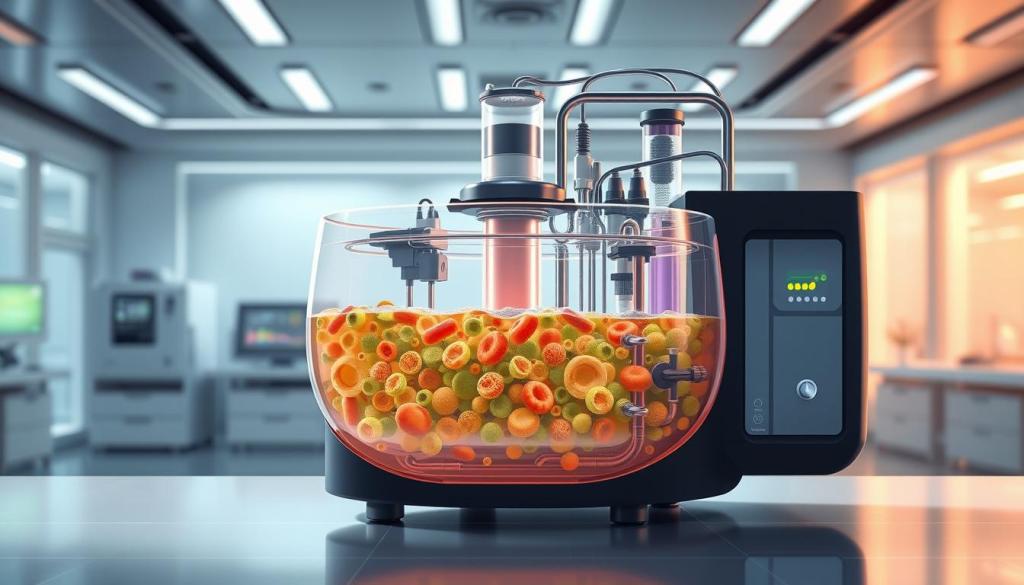
New tech has made managing cell culture reservoirs better. Scientists can now keep the right amount of cells in their experiments with great accuracy.
Innovations in Reservoir Design
New reservoir designs focus on what’s best for cell growth and research results. Some key improvements include:
- Low-attachment surface technologies
- Advanced sealing mechanisms
- Integrated real-time monitoring sensors
- Miniaturized culture platforms
Now, scientists can work with tiny amounts of cell culture media. Studies show they can use as little as 400 µL in special plates. This saves media and keeps experiments running smoothly.
Automated Systems Revolution
Automation is changing cell culture tech. Robots and AI help control cell culture media better than ever before. These tools offer:
- Precise volume management
- Enhanced reproducibility
- Real-time environmental monitoring
- Reduced human error
“The future of cell culture lies in intelligent, automated systems that can precisely control every aspect of the cellular environment.” – Cell Biology Research Institute
As research moves forward in areas like drug discovery and regenerative medicine, these tech advances are key. They help us learn more about cells and how they can help us.
Future Trends in Cell Culture Volume Research
The world of cell culture research is changing fast. New technologies are coming along that will change how scientists work with cell cultures. They promise to make managing cell culture volumes more efficient.
New technologies are changing biotechnology research. They offer new ways to grow cells more precisely and efficiently.
Cutting-Edge Technological Advancements
- Microfluidic devices enable ultra-small cell culture volumes
- Organ-on-a-chip systems reduce minimum reservoir capacity
- 3D bioprinting technologies expand cultivation possibilities
Biotechnology Implications
Scientists are finding new ways to use less cell culture volume. This is important for many areas, like:
- Personalized medicine development
- Advanced tissue engineering
- Biopharmaceutical production optimization
“The future of cell culture research lies in our ability to control microenvironments with unprecedented precision.” – Scientific Research Consortium
Research shows promising results in reducing cell culture volumes. For example, microtiter plates can work with cell culture volumes as low as 400 µL. They still give strong results.
| Technology | Minimum Volume | Potential Impact |
|---|---|---|
| Microfluidic Devices | 10-100 µL | High-precision research |
| Organ-on-Chip Systems | 50-500 µL | Personalized medicine |
| 3D Bioprinting | 100-1000 µL | Tissue engineering |
These new tools mark a big change in cell culture research. They bring together miniaturization and precision to open up new scientific doors.
Conclusion: Significance of Understanding Minimum Volume
Knowing the volume needed for cell culture is key to good research. Scientists must pick the right size of cell culture dishes for the best results. The right amount of culture volume is crucial for cell growth and the success of experiments.
Studies show that cell culture research is complex. Only 22% of studies are truly replicated. About 16.1% of papers use bad cell lines, showing how important it is to manage volume well. Keeping the medium at 0.2mL to 0.3mL per square centimeter helps keep cells healthy and research consistent.
Key Research Insights
Cell culture technology is getting better, but it needs careful volume control. Researchers face challenges like contamination and cell line differences. They must find ways to control volume better to advance biotechnology.
Future Perspectives
New research shows that managing volume is more than just measuring. It’s about understanding cells, avoiding contamination, and finding new ways to grow cells. Scientists need to stay open to new technologies to make cell culture research better and find new medical breakthroughs.
FAQ
What is the minimum volume required for cell culture reservoirs?
The minimum volume needed varies based on several factors. These include the type of cells, the vessel’s specifications, and the needs of the experiment. For mammalian cells, volumes start at 1-10 mL in standard flasks. Microbial cultures might need even less, from 0.5-2 mL.
Choosing the right volume is crucial. It depends on how cells grow, how much they consume, and their metabolic needs.
How does minimum volume affect cell growth and experimental outcomes?
Too little volume can harm cell health. It can lead to a lack of nutrients, waste buildup, and changes in pH. These issues can affect how cells grow, their shape, and gene activity.
This can ruin the results of experiments. The right volume ensures cells get the nutrients they need and stay healthy.
What factors influence the minimum volume in cell culture reservoirs?
Several factors play a role. These include the type of cells, the container’s design, and the environment. Also, the specific needs of each experiment matter.
Different cells have different needs. This affects how much volume is needed for them to grow well.
How can researchers determine the optimal minimum volume for their cell culture?
Researchers use various methods to find the right volume. They look at how cells grow, measure metabolites, and use calculations based on cell metabolism. These steps help figure out how much volume is best for each cell type and experiment.
What are the risks of using inadequate volumes in cell culture?
Using too little volume can cause big problems. It can lead to a quick drop in nutrients, waste buildup, and pH changes. This can harm cell health and make experiments unreliable.
It can even cause the culture to fail completely.
Are there best practices for managing volume in cell culture reservoirs?
Yes, there are ways to manage volume well. These include keeping an eye on volume, carefully adding media, and using automated systems. Microfluidic technologies and minimizing evaporation are also helpful.
Keeping the environment steady and tailoring volume management to each cell type are key.
How are emerging technologies improving volume management in cell culture?
New technologies are making volume management better. Microfluidic devices and low-attachment surfaces are being used. There are also sensors for monitoring and robotic systems for handling liquids.
AI is helping manage cultures, and organ-on-a-chip systems are reducing the need for large volumes.
What future trends are expected in cell culture volume research?
We can expect big changes in cell culture volume research. Volumes will likely be smaller, and control over the microenvironment will be more precise. 3D bioprinting and personalized medicine will also play a bigger role.
These advancements will improve biotechnology research and make cell cultures more efficient and sustainable.






Pingback: How to Ensure Uniform Cell Seeding in 96 - Well Plate Templates?
Pingback: Microwell Sonogenetics: Advanced Neural Stimulation Tech