



Ever thought about the tiny creatures living inside you? The human microbiome is a complex world that changes how we see our bodies. It shows that bacterial cells are much more common and complex than we thought.
Recent studies have changed how we see our body’s cells. Older ideas said bacteria outnumbered human cells 10 to 1. But now, we know a “reference man” has about 30 trillion human cells and 39 trillion bacterial cells. This makes them almost equal in number.
The human microbiome is a network of microbial cells that are vital to our health. These bacterial cells have an amazing 8 million unique genes. This is 360 times more than the 22,000 genes in the human genome.
Learning about the bacteria in your body opens a door to the microbial world inside us. It affects digestion and our immune system.
Key Takeaways
- The human body contains approximately 39 trillion bacterial cells
- Bacterial cells make up 1-3% of total body mass
- Over 10,000 microbial species inhabit the human ecosystem
- Bacterial genes outnumber human genes by 360 times
- The microbiome ratio is now estimated at roughly 1.3:1 (bacterial to human cells)
Understanding Human Microbiome Diversity
The human microbiome is a world of tiny life inside us. Scientists have found a vast diversity of microbes. This changes how we see human biology.
Defining the Microbiome
The human microbiome is a complex mix of tiny life forms in our bodies. The Human Microbiome Project found over 10,000 microbial species. This shows a vast network of bacteria, much more than we thought.
“We are more microbe than human” – Microbiome Research Pioneers
Bacterial Composition and Significance
Gut bacteria are key to our health. They help with digestion, immune system, nutrient absorption, and fighting off bad bacteria.
- Digestive processes
- Immune system regulation
- Nutrient absorption
- Protection against harmful pathogens
Microbes are not just in the gut. Different areas of the body have their own microbes. Probiotics, good bacteria, help keep our body balanced.
Microbial Numbers and Impact
Microbes actually outnumber our human cells. Research shows about 39 trillion bacteria live with 30 trillion human cells. They make up 1-3% of our body mass.
Learning about the human microbiome gives us deep insights into our biology and health.
The Ratio of Bacteria to Human Cells
The human body is full of tiny life forms. New studies have changed how we see bacteria and human cells. They show how our bodies are filled with tiny life.
For years, scientists thought bacteria outnumbered human cells 10 to 1. But, a big discovery in 2016 changed this view.
Common Statistics on Body Cell Composition
Today, we know our bodies have a balanced mix of life:
- Total human cells in an average male: about 30 trillion
- Total bacterial cells in the same individual: around 39 trillion
- Actual ratio of bacteria to human cells: almost 1:1
“The human body is a complex ecosystem where bacterial and human cells coexist in a delicate balance” – Microbiome Research Team
Factors Influencing Bacterial Cell Count
Many things can change how many bacteria are in your body. These include:
- Individual genetics
- Diet and nutrition
- Geographic location
- Overall health status
- Age and lifestyle
Bacteria may not make up much of our bodies, but they have a lot of genes. Geneticist Julien Tap says there are about 30 times more microbiome genes than human genes. This shows how complex our internal world is.
Types of Bacteria in the Human Body
The human microbiome is a complex world of tiny living things inside us. Bacteria are key to our health, with about 38 trillion of them living alongside our cells.
Our body’s bacteria are very diverse, with both good and bad types. Knowing this diversity helps us see how our body’s systems work together.
Beneficial Bacteria: Nature’s Internal Helpers
Probiotics are the good bacteria that keep us healthy. They do many important jobs:
- Strengthening immune system responses
- Supporting digestive processes
- Producing critical nutrients
- Protecting against harmful microorganisms
Pathogenic Bacteria and Their Potential Risks
Not all bacteria are good for us. Pathogenic bacteria can harm our health by upsetting the balance of our microbiome. They can cause inflammation and weaken our immune system.
“The human body is a complex ecosystem where bacterial balance determines overall health.” – Microbiome Research Institute
Keeping our microbial environment healthy is vital. Our bodies have about 39 trillion microbial cells. This shows how important bacteria are to our health.
The Role of Bacteria in Digestion
The human microbiome is a complex mix of microorganisms. They are key to our digestive health. Gut bacteria don’t just hang out; they actively help break down nutrients.
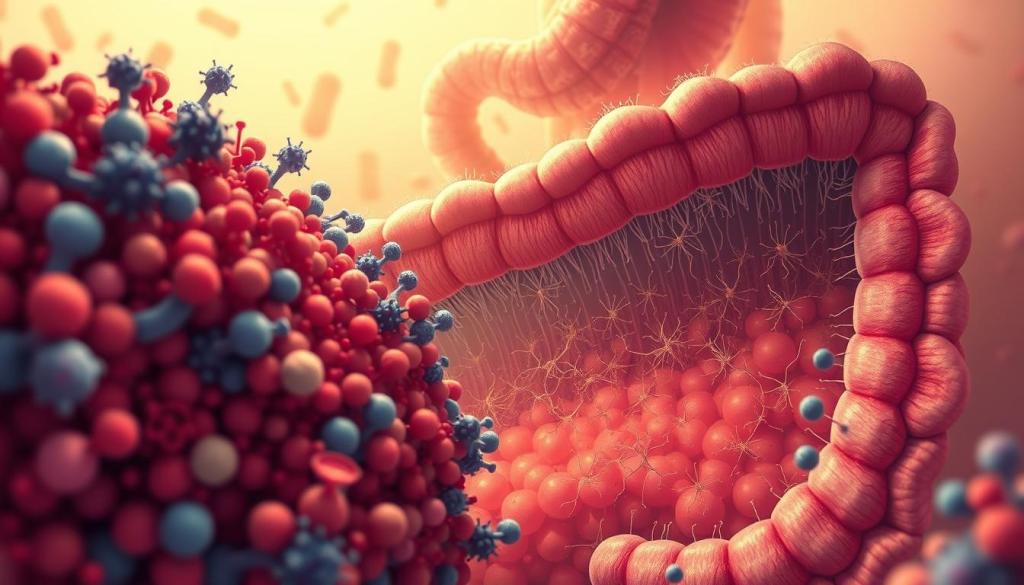
Our bodies have about 10^14 microbes. That’s ten times more than human cells. These tiny helpers are vital for how we absorb nutrients and stay healthy.
Gut Health and Microbial Balance
Keeping our gut microbiome in balance is essential. The variety of gut bacteria affects many health areas:
- Nutrient breakdown and absorption
- Protection against harmful pathogens
- Regulation of immune system responses
- Production of essential vitamins
Fermentation and Nutrient Absorption
Gut bacteria are great at breaking down carbs that our enzymes can’t handle. They turn these carbs into short-chain fatty acids. These acids give energy to our gut cells and boost our health.
“The gut microbiome is essentially an additional organ within our body, performing critical metabolic functions.”
| Bacterial Phylum | Percentage in Gut | Key Functions |
|---|---|---|
| Firmicutes | 64% | Carbohydrate fermentation |
| Bacteroidetes | 23% | Protein and lipid metabolism |
| Actinobacteria | 3% | Vitamin production |
Probiotics are important for our gut bacteria. Eating fermented foods like yogurt and sauerkraut helps keep our microbiome healthy. This supports better digestion and overall health.
The Impact of Antibiotics on Bacterial Cells
Antibiotics are key in modern medicine but affect our body’s microbes in complex ways. It’s important to understand how they work with our microbial ecosystem. This knowledge helps keep our gut healthy.
How Antibiotics Alter Bacterial Populations
Antibiotics change the mix of microbes in our bodies. They target specific parts of bacterial cells, like:
- Cell wall disruption
- Protein synthesis interference
- Nucleic acid metabolism disruption
“Not all bacteria are harmful, and antibiotics can inadvertently disrupt the delicate balance of our microbiome.”
Long-term Effects of Antibiotic Use
Using antibiotics often can change our microbiome a lot. Research shows these changes can:
- Reduce microbial diversity
- Promote antibiotic-resistant bacterial strains
- Potentially compromise immune system function
Even low concentrations of antibiotics can cause big changes in microbes. Studies found that changes in the gut microbiome can last for months after treatment. This shows how crucial careful medical use is.
Antibiotics affect microbes in different ways. Narrow-spectrum antibiotics target specific bacteria. Broad-spectrum antibiotics disrupt more of the microbiota.
Bacteria and the Immune System
The human microbiome is key to a strong immune system. About 70% of our immune system is in the gut. This area has a complex network of bacteria and immune cells.

The link between gut bacteria and our immune response is complex and interesting. Having diverse gut bacteria helps protect us from harmful pathogens.
The Role of Microbes in Immune Response
Probiotics are important for our immune system. They:
- Help stimulate protective immune cells
- Lower inflammatory responses
- Boost our natural defense
Interaction Between Bacteria and Immune Cells
Good bacteria talk to our immune cells. This helps keep our immune system balanced and ready to act. This talk is key to avoiding health problems.
“The gut is not just a digestive organ, but a critical component of our immune defense system.” – Immunology Research Team
| Bacterial Impact | Immune System Response |
|---|---|
| Increased Microbiome Diversity | Enhanced Immune Protection |
| Reduced Beneficial Bacteria | Weakened Immune Function |
| Chronic Inflammation | Compromised Immune Response |
It’s vital to understand the balance between gut bacteria and immune cells. This balance is key to staying healthy and avoiding immune problems.
Bacterial Contribution to Mental Health
The link between gut health and mental well-being is a new area of study. It shows how tiny organisms in our gut affect our mood and mind.
Exploring the Gut-Brain Axis
Scientists have found a network between our gut and brain. This network, called the gut-brain axis, shows how different bacteria in our gut can change our thoughts and feelings. Our body has about 40 trillion bacteria, and they can really affect how we feel and think.
- Gut bacteria make important chemicals like serotonin and dopamine
- They can send signals to our brain
- Some bacteria help us feel calm
Microbes and Mood Regulation
New studies show a strong link between gut bacteria and our mental health. Lactobacilli and Bifidobacteria make key chemicals that help us feel good. They turn tryptophan into important brain chemicals, showing how they help manage our mood.
“The gut is not just a digestive organ, but a complex ecosystem influencing our mental well-being.” – Microbiome Research Institute
Since 2000, over 7,000 studies have looked at how our gut bacteria affect our mental health. With almost a billion people worldwide dealing with mental health issues, it’s crucial to understand this connection.
| Bacterial Strain | Potential Mental Health Impact |
|---|---|
| Lactobacillus | Anxiety reduction |
| Bifidobacteria | Mood stabilization |
| Escherichia coli | Neurotransmitter production |
Research keeps finding new ways gut bacteria and mental health are connected. This gives us hope for new treatments in the future.
Variations in Bacterial Populations
The human microbiome is a complex ecosystem that changes throughout our lives. It shows how bacterial populations differ in various demographics and environments.

Exploring the human microbiome diversity is key. It reveals how bacterial communities change due to many factors. Researchers found that our bacterial communities are dynamic and adapt to many conditions.
Age-Related Changes in Microbiome Composition
The microbiome changes a lot as we age. From infancy to old age, bacterial populations go through big changes:
- Newborns get bacteria from birth and breastfeeding
- Childhood diet and environment shape early microbiome development
- Adult microbiomes stabilize but continue subtle modifications
- Elderly individuals experience reduced microbiome diversity
Geographic and Lifestyle Factors
The percentage of bacteria in our bodies can change due to where we live and our lifestyle. Important factors include:
- Dietary habits
- Geographic location
- Cultural practices
- Physical activity levels
- Environmental exposures
“Each individual’s microbiome is as unique as a fingerprint” – Microbiome Research Experts
Research shows that about 10 main bacterial species make up about 50% of our bacteria. This complexity shows how intricate our internal microbial world is.
Misconceptions About Body Bacteria
The human microbiome is a complex ecosystem. It often faces myths and misunderstandings. Many people believe wrong things about bacterial cells and their role in our bodies. This can cause unnecessary fears and bad health practices.
Debunking Popular Myths About Bacterial Cells
- Myth: All bacteria are harmful
Reality: Most bacterial cells are actually good for us. The human microbiome is key for digestion, immune function, and overall health.
- Myth: Bacteria always outnumber human cells 10:1
Reality: New research shows a more balanced ratio. It seems we have about the same number of bacterial and human cells, not 10:1.
- Myth: You should eliminate all bacteria
Reality: Keeping a balanced microbiome is more crucial than getting rid of all bacteria. Some bacterial populations are vital for our health.
Understanding Microbial Balance
The human body has about 100 trillion bacterial cells, weighing around 2.5 pounds. Not all bacteria are bad. Many work together with human cells to help with various bodily functions.
“The microbiome is not just a passive passenger, but an active participant in human health.” – Microbiome Research Expert
Knowing the truth about bacterial cells helps us make better health choices. It moves us beyond seeing bacteria as only harmful.
Future Research Directions in Microbiome Studies
The study of the human microbiome is growing fast. Scientists are finding new things about how microbes affect our health. New tech like metagenomic sequencing is changing how we see the microbes in our bodies.
Now, researchers are working on making probiotics that fit each person’s needs. They also want to create better tools to understand how microbes and our bodies work together. They aim to use this knowledge to prevent or treat diseases like metabolic and immune system problems.
Advances in Microbiome Research
New methods like whole bacterial genome sequencing are helping scientists see microbes in new ways. This lets them study each strain of microbe very closely. With over 20,000 projects and more than 130,000 complete genomes, research is growing fast.
Potential Therapeutic Applications of Microbiome Knowledge
The future of microbiome research looks very promising. It could lead to new ways to treat diseases and better ways to diagnose them. As we learn more about microbes and our bodies, we’re getting closer to a new era in medicine and health care.
FAQ
What exactly is the human microbiome?
The human microbiome is a complex mix of tiny living things, mostly bacteria, that live inside and on our bodies. It’s made up of trillions of microbes, with the most in our gut. These tiny helpers are key to digestion, keeping our immune system strong, and overall health. They work together with our bodies in a special partnership.
How many bacterial cells are actually in the human body?
Scientists have changed their mind about how many bacteria we have. They used to think we had 10 times more bacteria than human cells. Now, they think it’s closer to 1:1. This means an average adult has about 30-40 trillion bacterial cells. It shows just how much our bodies are made up of microbes.
Are all bacteria harmful to human health?
No, not all bacteria are bad. In fact, many are good for us. Good bacteria, or probiotics, help with digestion, absorbing nutrients, and keeping our immune system strong. They also help fight off bad bacteria, make vitamins, and keep our body’s ecosystem balanced.
How do antibiotics affect the body’s bacterial population?
Antibiotics can mess up the balance of our microbiome by killing both good and bad bacteria. This can cause short-term and long-term health problems. It can make us more likely to get sick, affect our digestion, and weaken our immune system.
Can the gut microbiome influence mental health?
Yes, research is showing a link between our gut microbiome and mental health. The bacteria in our gut can send signals to our brain. This can affect our mood, behavior, and even conditions like depression and anxiety.
Do bacterial populations change with age?
Yes, our microbiome changes a lot as we get older. Things like what we eat, our environment, and our health can change the types and amounts of bacteria in our body.
How can I maintain a healthy microbiome?
To keep your microbiome healthy, eat a variety of foods, especially fiber-rich ones. Try fermented foods, avoid unnecessary antibiotics, manage stress, exercise regularly, and consider probiotics. Talking to a healthcare professional can help you find what’s best for you.
What role do bacteria play in digestion?
Bacteria in our gut are key to digestion. They break down tough carbs, make vitamins, help us absorb nutrients, and support fermentation. They turn food into nutrients our body can use and help keep our digestive system healthy.





Leave a Comment
Your email address will not be published. Required fields are marked *