



Have you ever wondered how scientists achieve microscopic precision in liquid handling? This precision can make or break critical research experiments.
Serological pipettes are precision instruments designed to transform liquid measurement strategies in scientific research. They show their remarkable capabilities in transferring liquids with exceptional accuracy.
These specialized tools enable researchers to measure and transfer liquid volumes ranging from less than 1 milliliter to 50 milliliters with extraordinary precision. Their unique design allows scientists to perform delicate procedures in cell culture, reagent preparation, and chemical analysis with minimal risk of contamination.
Laboratory technicians rely on serological pipette uses to ensure reproducible results across various scientific disciplines. The intricate engineering behind these instruments supports consistent performance, making them indispensable in modern research environments.
Key Takeaways
- Serological pipettes offer precise liquid measurement capabilities
- Range of volume transfer from 1 mL to 50 mL
- Critical for maintaining experimental accuracy
- Reduces contamination risks in laboratory settings
- Essential tool across multiple scientific disciplines
Understanding Serological Pipettes
Serological pipettes are key tools in labs, helping scientists move liquids with great care. They are vital for those who need to measure liquids accurately in many fields.
These pipettes are used in many areas of science, making them very useful for handling liquids. Scientists count on them for tasks that need exact liquid transfer and measurement.
Definition and Core Purpose
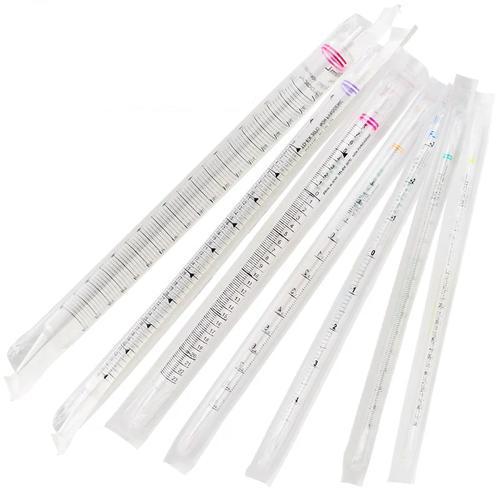
A serological pipette is a long, graduated tool for moving specific liquid amounts with high precision. It can handle liquids from 1 mL to 50 mL, giving researchers control over volume.
Common Laboratory Applications
Here are some key uses for serological pipettes in science:
- Cell culture research
- Reagent preparation
- Chemical analysis
- Microbial studies
- Sample dilution
- Titration experiments
Laboratory experts choose serological pipettes for their accuracy. They can measure volumes with up to 1% precision, from 1 mL to 50 mL. This ensures reliable results in experiments.
The graduated markings on these pipettes help scientists measure volumes with high accuracy. For volumes up to 10 mL, the tolerance is ±0.5 mL. This precision is crucial for precise liquid handling in labs.
Advantages of Using Serological Pipettes
Serological pipettes are key in labs, offering big benefits for research and handling liquids. They help scientists measure accurately and work on many experiments.
Precision in Measurement
Serological pipettes stand out for their precision. They have detailed markings for exact liquid transfers. This precision is crucial for many reasons:
- Graduated scale for precise volume measurement
- Consistent accuracy in all transfers
- Can measure from 1 mL to 50 mL
Versatility Across Experiments
These pipettes are not just for simple transfers. They’re vital in many fields:
- Cell culture research
- Molecular biology
- Biochemical testing
- Clinical diagnostics
- Analytical chemistry
Scientists love them for their flexibility. They come in single-use designs to avoid contamination. The color-coded tips make them easy to use and accurate.
Serological pipettes: Precision engineering meets scientific innovation.
These pipettes let researchers handle liquids confidently in many areas. They’re a must-have in today’s labs.
Types of Serological Pipettes
Serological pipettes are key in labs, helping with precise liquid transfers. They are vital for accurate measurements in various experiments.

There are two main materials for serological pipettes: glass and plastic. Each has its own benefits for different lab settings.
Glass Pipettes: Traditional Precision Instruments
Glass serological pipettes are the traditional choice. They are durable and can handle high temperatures. They are great for repeated use and chemical research.
- Capable of repeated sterilization
- Suitable for high-temperature applications
- Recommended for specialized chemical research
Plastic Pipettes: Modern Convenience
Plastic serological pipettes are popular for being disposable and affordable. They are light and easy to use, making them perfect for today’s labs.
- Single-use design minimizes contamination risks
- Lightweight and easy to handle
- Pre-sterilized packaging
Volumetric Range Specifications
Serological pipettes come in various sizes for different needs:
| Volume Range | Typical Applications | Accuracy |
|---|---|---|
| 1-10 mL | Microbiology experiments | ±1-2% |
| 10-25 mL | Cell culture research | ±1.5% |
| 25-50 mL | Large volume transfers | ±2% |
Knowing about these types and sizes helps researchers pick the right pipette for their work.
Proper Handling and Usage Guidelines
Serological pipettes are key tools for precise liquid measurements in labs. Handling them right is crucial for reliable results and keeping experiments sound. Learning the right pipetting techniques can greatly boost lab work.
Getting accurate results with serological pipettes depends on several important factors. Researchers need to pay close attention to these during liquid handling.
Sterilization and Cleaning Protocols
Keeping pipettes clean is vital to avoid contamination and get exact measurements. Different pipettes need different cleaning methods:
- Disposable plastic pipettes should be used once and then thrown away
- Reusable glass pipettes need a deep clean after each use
- Use autoclaving to kill 99.9% of harmful germs
Techniques for Accurate Dispensing
Getting accurate with serological pipettes requires some key techniques:
- Use a dedicated pipette controller for better precision
- Make sure liquid levels are a bit above the mark you want
- Let the liquid drain fully from the pipette tip
- Keep the pipette straight while dispensing
| Best Practice | Impact on Accuracy |
|---|---|
| Regular calibration | Reduces measurement errors by up to 15% |
| Proper storage | Reduces damage risk by 40% |
| Personnel training | Increases best practice adherence by 50% |
By following these guidelines, lab experts can improve pipette performance. This helps reduce errors in handling liquids.
Comparisons with Other Pipetting Tools
Laboratory professionals often use different pipetting tools for various scientific tasks. It’s important to know the differences between serological pipettes and other tools. This helps researchers pick the best tool for their experiments.
Serological vs. Micropipettes: Key Differences
Serological pipettes are great for handling big liquid volumes, from 1 mL to 50 mL. On the other hand, micropipettes are perfect for precise measurements of tiny amounts, from 0.1-1000 µL.
- Serological pipettes are ideal for bulk liquid transfers
- Micropipettes provide exceptional precision for small volume work
- Single-use serological pipettes minimize cross-contamination risks
Situational Use Cases
When choosing between serological pipettes and other pipettes, think about these scenarios:
| Scenario | Recommended Pipette |
|---|---|
| Cell culture media transfer | Serological Pipette |
| Precise enzyme measurements | Micropipette |
| Biological sample dilution | Serological Pipette |
| Molecular biology quantification | Micropipette |
“Selecting the right pipette is crucial for experimental accuracy and reproducibility.” – Laboratory Research Protocols
The right choice between serological pipettes and other tools depends on the volume and precision needed. Researchers should carefully consider their lab needs to improve liquid handling.
Limitations of Serological Pipettes
Serological pipettes are key tools in labs, but they have their own set of challenges. Researchers need to know these to keep their work accurate and precise.

Potential for Human Error
Human mistakes can greatly affect the precision of serological pipettes. Lab technicians face several key errors:
- Inconsistent pipetting technique
- Incorrect angle during liquid transfer
- Unsteady hand movements
- Inadequate training in pipetting methods
Volume Constraints and Measurement Challenges
Serological pipettes have volume limits that affect their use. They are designed to handle volumes from 0.1 ml to 25 ml. Common sizes are 5 ml, 10 ml, and 25 ml.
Challenges with volume include:
- Limited precision for very small or large volumes
- Potential for air bubble introduction
- Variations in liquid viscosity affecting measurement
Proper technique and understanding of these limitations are crucial for maintaining reliable experimental results.
To overcome these challenges, researchers can:
- Get thorough training
- Use calibrated equipment
- Practice consistent pipetting techniques
- Choose the right pipette size for their experiments
Best Practices for Selection
Choosing the right serological pipette is key for precise lab work. Scientists need to look at several factors to get the best results for their projects.
When picking serological pipettes, many important things to consider come up. It’s all about understanding why these pipettes are essential for lab work.
Key Factors for Choosing Serological Pipettes
- Volume Range Requirements
- Material Compatibility
- Experimental Precision Needs
- Laboratory Equipment Compatibility
Evaluating Pipette Performance
For serological pipette use, it’s vital to check how well they work. Researchers should look at these key performance areas:
| Performance Criteria | Recommended Evaluation Parameters |
|---|---|
| Liquid Volume Range | 1 ml to 50 ml capacity |
| Accuracy Level | Within ±0.5% of specified volume |
| Material Durability | Chemical resistance and sterilization potential |
Quality Considerations
Good serological pipettes should work well every time. Precision engineering makes a big difference in quality.
- Check manufacturer’s specifications
- Verify calibration documentation
- Review instrument validation reports
By choosing carefully, researchers can do complex science with less error in handling liquids.
Safety Considerations
Laboratory safety is key when using serological pipettes. Researchers must protect themselves and handle the equipment carefully. This helps avoid risks in scientific experiments.
Working with dangerous samples needs careful attention to safety rules. Scientists must understand the importance of protecting themselves during lab work.
Personal Protective Equipment Essentials
Wearing the right personal protective equipment (PPE) is vital for serological pipette use. Researchers should always wear:
- Safety goggles or face shields
- Disposable laboratory gloves
- Lab coat or protective apron
- Closed-toe shoes
Preventing Repetitive Strain Injuries
Long periods of pipetting can harm your health. Important statistics show the risks:
- Over 50% of pipette users experience hand pain or numbness
- Pipetting more than one hour daily increases injury risk
- Taking micro-breaks every 20-30 minutes can reduce potential strain
“Safety is not an accident, but a deliberate laboratory practice.”
Hazardous Sample Management
When working with risky or infectious materials, researchers must:
- Use biological safety cabinets for level 2 materials
- Avoid mouth pipetting under any circumstances
- Utilize filtered tips to prevent contamination
- Properly dispose of contaminated pipettes in designated biohazard containers
Following strict safety rules protects researchers and keeps experiments safe when using serological pipettes.
Future Trends in Lab Pipetting Instruments
The world of lab tools is changing fast, with a focus on better pipette precision. Labs are seeing new tech that could change how we handle liquids. These changes aim to cut down on mistakes and make measurements more accurate.
New tech is tackling big pipetting challenges. Now, pipettes have built-in sensors and smart parts that make them better. These new tools are designed to be easier to use and handle different amounts of liquid well.
Innovations in Serological Pipettes
There’s a big push for eco-friendly lab tools now. Makers are working on pipettes that use less plastic and last longer. Electronic pipettes are getting popular, offering quicker work and more accuracy.
These smart tools can spot mistakes right away and adjust themselves. This makes labs work better and faster.
Emerging Technologies in Liquid Handling
The future of handling liquids will be all about automation and smart connections. New sensors and AI might change how labs manage liquids. We’re looking at tools that do more than just measure, but also give deep insights.
FAQ
What are serological pipettes and why are they important in laboratory settings?
Serological pipettes are precise tools for moving and measuring liquids in labs. They help scientists get exact amounts for cell culture, making solutions, and analyzing chemicals. Their clear markings and clean design are key for keeping experiments accurate and reliable.
What are the primary advantages of using serological pipettes?
Serological pipettes are great for their precision, flexibility, and ability to handle different liquid amounts. They have clear markings for easy measurement and dispensing. This is crucial for keeping experiments consistent and reliable.
How do I choose between glass and plastic serological pipettes?
Choosing between glass and plastic pipettes depends on your lab’s needs. Plastic ones are cheap and good for one-time use. Glass ones last longer and are better for repeated use. Think about your lab’s needs, budget, and the samples you’ll work with.
What safety precautions should be taken when using serological pipettes?
Always wear protective gear like lab coats, gloves, and safety glasses when using pipettes. Handle them carefully, especially with risky samples. Follow strict cleaning rules and avoid touching dangerous liquids to stay safe.
What are the main differences between serological and micropipettes?
Serological pipettes handle larger volumes (1-50 mL) with clear markings. Micropipettes are for tiny amounts (0.1-1000 µL). Serological pipettes are better for tasks needing bigger volume ranges, like cell culture or mixing chemicals.
How can I ensure accurate measurements when using serological pipettes?
For accurate measurements, check the pipette’s calibration and use the right technique. Hold the pipette straight when pouring liquids. Practice regularly, use tools to help, and avoid air bubbles. Attention to detail and training are essential for precision.
What emerging technologies are impacting serological pipette design?
New technologies include better materials, more precise graduations, and working with automated systems. Trends aim to reduce mistakes, boost efficiency, and improve ergonomics and digital tracking for advanced labs.
What are the typical volume ranges for serological pipettes?
Serological pipettes come in sizes from 1 mL to 50 mL. Common sizes are 1 mL, 5 mL, 10 mL, 25 mL, and 50 mL. The right size depends on your experiment’s needs and the precision required.





Leave a Comment
Your email address will not be published. Required fields are marked *