



Ever thought about how scientists measure tiny amounts of liquid with such precision? The 1 ml pipette is a key tool that makes a big difference in lab work. It’s used in many scientific fields.
The 1 ml pipette is essential for scientific experiments. It helps researchers move exact amounts of liquid. This is crucial for getting the same results in chemistry, biology, and drug research.
This pipette is made with careful design. It has markings as small as 0.01 ml for detailed measurements. Its glass is strong against heat and chemicals, making it a must-have in labs today.
Key Takeaways
- Delivers precise 1 ml liquid measurements
- Calibrated for accuracy at 20°C
- Suitable for multiple scientific research fields
- Made from durable borosilicate glass
- Meets rigorous Class AS standards
Understanding the Importance of Precision in Laboratory Work
Precision is key in scientific discovery, especially in biological research. Micropipettes are crucial for accurate measurements. They help scientists get exact volumes consistently.
Even small measurement changes can affect research results. Here are some reasons why precision is vital:
- Temperature control impacts measurement accuracy
- Proper pipetting technique minimizes experimental errors
- Consistent volume delivery ensures reproducible results
Why Accuracy Matters in Biological Research
In biological research, precision is essential, not just a preference. Small measurement errors can cause big problems. Exact volume transfers are crucial when working with sensitive samples like DNA or rare compounds.
| Precision Factor | Impact on Research |
|---|---|
| Temperature Equilibration | 20 minutes at 21.5°C (±1°C) |
| Pipette Angle | 90 degrees optimal for accuracy |
| Tip Pre-rinsing | Improves micro-volume accuracy |
The Role of Pipettes in Experimental Reproducibility
Quantitative research needs to repeat experiments with precision. Micropipettes help standardize volume measurements. This ensures that different labs and teams can work together reliably.
Overview of the 1 ml Pipette
Laboratory equipment is key in scientific research. The 1 ml pipette is a vital tool for handling liquids with precision. It’s designed for accurate volume measurements in many scientific areas.
The 1 ml pipette is a top choice for precise measurements. Its design lets researchers move exact amounts with great consistency. This makes it a must-have in many scientific fields.
Key Features of the 1 ml Pipette
What makes these pipettes so effective?
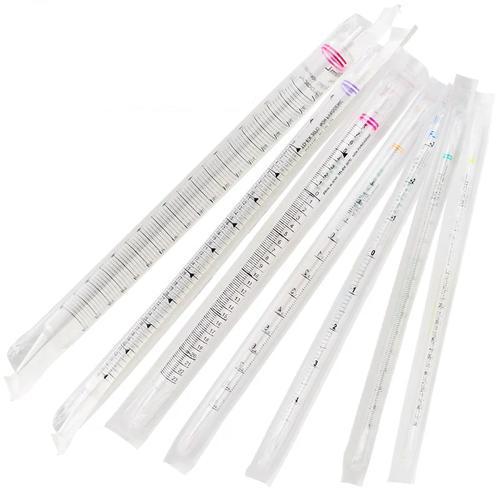
- Nominal volume exactly at 1 mL
- Precise graduations ranging from 0.01 mL to 0.1 mL
- Tip opening with an inner diameter of 1.67 mm
- Sterile, individually wrapped packaging
- Contaminant-free with RNase/DNase free certification
Common Uses in the Laboratory
The 1 ml pipette shines in many areas:
- Cell culture research
- Molecular biology experiments
- Microbiology investigations
- Precise liquid dispensing in contamination-sensitive environments
Researchers count on these pipettes for tasks like making dilution series and transferring small volumes. They help keep experiments consistent. The single-mark design ensures accuracy. It’s crucial for scientists who need exact measurements every day.
Types of 1 ml Pipettes and Their Applications
Laboratory researchers use different pipette technologies for precise liquid handling. Knowing the types of pipettes helps scientists pick the right tool for their experiments.
Manual vs. Electronic Pipettes
Liquid handling has changed a lot with manual and electronic pipettes. Manual pipettes need direct touch, giving researchers control. Electronic pipettes offer more precision and less error.
- Manual Pipettes:
- Volume range: 0.5 μL to 300 μL
- Lower initial cost
- Simple operation
- Electronic Pipettes:
- Volume range: 0.5 μL to 10 mL
- Minimal human error
- Programmable settings
Disposable vs. Reusable Pipettes
Choosing between disposable and reusable pipette tips is key for clean experiments. Disposable tips stop contamination, while reusable ones save money in the long run.
- Disposable Pipette Tips:
- Single-use sterility
- Reduced contamination risk
- Available in various sizes
- Reusable Pipettes:
- Lower long-term expenses
- Requires thorough cleaning
- Suitable for consistent experiments
Scientists must think about their research needs when picking pipette tips. This ensures the best results from their experiments.
The Materials Used in 1 ml Pipettes
Scientific supplies are key in lab research, with pipette materials being very important. The right materials make 1 ml pipettes reliable for biological studies.
There are two main materials for 1 ml pipettes: glass and plastic. Each has special qualities for different lab uses.
Glass Pipettes: Precision and Chemical Resistance
Borosilicate glass pipettes have big benefits for science:
- Superior chemical resistance
- High thermal stability
- Minimal sample interaction
- Ideal for sensitive analytical techniques
Plastic Pipettes: Durability and Convenience
Plastic pipettes have many benefits in labs today:
- Lightweight design
- Cost-effective solution
- Disposable options reduce contamination risks
- Suitable for single-use applications
“Material selection in pipettes is not just about performance, but about ensuring the integrity of scientific research.” – Laboratory Research Quarterly
Choosing between glass and plastic depends on the research needs. It’s about the type of samples and the techniques used. Researchers must think about each material’s unique qualities to get the best results.
Material Selection Criteria
- Chemical compatibility
- Temperature resistance
- Sample preservation
- Cost considerations
Knowing the differences between glass and plastic pipettes helps researchers make better choices in their studies.
Calibration and Maintenance of 1 ml Pipettes
1 ml pipettes are key tools in labs that need careful handling to stay accurate. Scientists use them for reliable research. So, regular checks and upkeep are vital for good results.
Keeping lab tools in top shape involves several important steps. Knowing how to calibrate them helps scientists keep their work up to par. This ensures their research stays high-quality.
Importance of Regular Calibration
Calibration is key to keeping pipettes precise. Studies say pipettes should be checked every 3-6 months. The process includes several important steps:
- Recording the weight of dispensed water over ten trials
- Calculating the average volume
- Comparing results against theoretical volume
A pipette that’s been calibrated right should be accurate to 99-101%. The Z-factor, which accounts for changes in the environment, is also crucial for exact measurements.
Best Practices for Cleaning and Maintenance
To keep precision tools in good shape, pay close attention to cleaning and the environment. Researchers should:
- Let pipettes adjust to the lab environment for at least one hour before calibration
- Store pipettes in clean, temperature-controlled spots
- Use cleaning solutions as recommended by the makers
| Temperature | Z-Factor | Calibration Impact |
|---|---|---|
| 15°C | 1.0019 | Minimal correction needed |
| 20°C | 1.0029 | Standard calibration reference |
| 25°C | 1.0039 | Higher volume adjustment required |
Regular calibration keeps research trustworthy and helps lab tools last longer.
How to Choose the Right 1 ml Pipette
Choosing the right micropipette is key for lab work. The right one can make a big difference in your research.

When picking a 1 ml pipette, think about a few important things. These will help you get the best results:
- How accurate and precise you need it to be
- The types of liquids you’ll be working with
- How often you’ll use it
- Its comfort and design
- If it fits with your lab’s protocols
Critical Factors in Pipette Selection
Many things affect a micropipette’s performance. Volume transfer range is especially important. Experts say to use pipettes between 35% and 100% of their max capacity.
“Precision in liquid handling begins with selecting the right pipette for your specific research needs.”
Recommendations for Different Applications
Each research area has its own needs for liquid handling:
- For cell culture, go for high-precision single-channel pipettes
- For PCR setup, multichannel pipettes are efficient
- For enzyme assays, choose pipettes that prevent contamination
Air displacement pipettes are great for most liquids. They work well from 0.1 µL to 10 mL. Think about what you need for your experiments to make the best choice.
Techniques for Effective Pipetting
Precision in pipetting is key in quantitative research. It can greatly affect experimental results. Understanding analytical techniques and paying close attention to detail are crucial.
Researchers today face big challenges with small volume samples. Advanced pipetting techniques are vital for reliable results.
Tips for Achieving Accurate Measurements
Here are some strategies for successful pipetting:
- Use pipettes matched to specific sample volumes
- Hold the pipette vertically for accurate liquid transfer
- Pre-wet pipette tips to reduce evaporation
- Maintain consistent plunger pressure and speed
“Precision in pipetting is not just a skill, it’s a scientific necessity.”
Common Errors to Avoid
Researchers should watch out for these common mistakes:
- Avoid pipetting at temperatures different from the lab
- Minimize air bubble formation during dispensing
- Use low-retention tips to reduce sample loss
- Check pipette calibration regularly
Expert tip: For volumes less than 50 μL, maintain a slight angle when pipetting to improve accuracy in quantitative research.
The Role of 1 ml Pipettes in Biotechnology
Biotechnology needs precise tools for new discoveries. The 1 ml pipette is key, helping researchers do detailed work. They can measure liquids with great accuracy.
Today’s biotech labs use these tools for small liquid tasks. They’re essential for detailed work that needs tiny precision.
Applications in Genetic Research
Genetic studies need exactness in preparing samples. 1 ml pipettes are vital for many steps:
- DNA extraction techniques
- Polymerase Chain Reaction (PCR) setup
- Protein quantification methods
- Genetic material sample preparation
“Precision is the cornerstone of genetic research, and 1 ml pipettes are the instruments that make this precision possible.” – Biotechnology Research Institute
Use in Drug Development and Testing
Pharmaceutical research uses 1 ml pipettes a lot. They help with:
- Preparing compound dilutions
- Conducting cell-based assays
- Measuring drug concentrations
- Doing volumetric analysis of experimental compounds
These pipettes are great for working with small amounts. They allow for exact transfers between 1-1000 µL. This ensures reliable results in finding new medicines.
Safety Considerations When Using 1 ml Pipettes
Working with lab equipment needs careful safety steps. Tools like 1 ml pipettes must be handled with care. This is to keep researchers safe and experiments accurate.

- Always wear the right personal protective equipment (PPE)
- Use special safety tools for handling liquids
- Follow strict rules to avoid contamination
- Dispose of waste properly
Best Practices for Lab Safety
Researchers should always put safety first. Important steps include:
- Check pipettes before each use for damage
- Clean them with 95% alcohol often
- Make sure they don’t leak before starting
- Keep lab equipment well-calibrated
Handling Hazardous Materials Safely
Working with dangerous substances needs extra care. Never use pipettes for:
- Soaking up very volatile liquids
- Moving strong acids
- Mixing without proper safety gear
Safety in the laboratory is not an option—it’s a requirement.
Following these safety tips keeps researchers safe. It also ensures top-quality research with 1 ml pipettes.
Innovations in Pipetting Technology
The world of precision instruments is changing fast. It’s making liquid handling in labs better. New tech is making pipetting smarter and more efficient for scientists.
New pipetting tech is a big leap forward. It’s all about better design, function, and how well it works. Scientists get tools that are more accurate and cut down on mistakes.
Recent Advances in Pipette Design
Modern pipettes have some cool features:
- Ergonomic improvements to reduce fatigue
- Electronic calibration systems
- Smart integration with lab systems
- Advanced liquid handling
Impact of Technology on Laboratory Efficiency
New tech is making labs work better with cool features:
| Technology Feature | Performance Benefit |
|---|---|
| Pressure Liquid Level Detection | More accurate liquid measurement |
| Anti-Droplet Control | Better sample protection |
| Single-Handed Swappable Heads | Easier maintenance |
These new tools are changing how we handle liquids in labs. They help scientists get better results and make experiments more reliable.
Looking ahead, we’ll see even more tech. Things like artificial intelligence and automated systems will make research even more advanced.
Conclusion: The Essential Role of 1 ml Pipettes in Labs
The 1 ml pipette is key in labs, helping scientists work with great precision. These tools are used for detailed liquid handling tasks. They are crucial for getting reliable results in many areas of research.
Thanks to advanced pipettes, science has made big strides. Companies like MICROLIT and Lab Pro Inc. make high-quality pipettes. They have features like ergonomic designs and digital displays to help scientists work better.
Future pipettes will be even more advanced. They will work with lab automation and have better digital interfaces. This means scientists will get even more accurate results and face less risk of injury.
As research gets more complex, the need for precise tools like the 1 ml pipette will grow. By using these tools well, scientists can make new discoveries with more accuracy and reliability.
FAQ
What is a 1 ml pipette and why is it important in laboratory research?
A 1 ml pipette is a tool for precise liquid handling in labs. It allows researchers to measure and transfer 1 milliliter of liquid accurately. This is key for reliable results in biological research.
What are the main types of 1 ml pipettes available?
There are mainly two types: manual and electronic pipettes. Manual ones are hand-operated and affordable. Electronic ones are more accurate and reduce fatigue. They can also be disposable or reusable, depending on lab needs.
How often should a 1 ml pipette be calibrated?
Experts suggest calibrating 1 ml pipettes every year or more often, based on use and guidelines. This keeps the pipette accurate, which is vital for scientific work.
What materials are commonly used in 1 ml pipette construction?
Borosilicate glass and high-grade plastics are common in making 1 ml pipettes. Glass ones resist chemicals well. Plastic ones are durable and often cheaper for some lab tasks.
What safety considerations are important when using 1 ml pipettes?
Wearing PPE and handling liquids carefully are crucial. Follow ergonomic practices to avoid injuries. Also, dispose of tips and manage waste properly.
How do I choose the right 1 ml pipette for my research?
Choosing the right pipette depends on accuracy needs, liquid types, and how often you’ll use it. Look at technical specs, ergonomics, and lab protocol compatibility.
What are some common pipetting errors to avoid?
Common mistakes include not dispensing all liquid, air bubbles, and wrong tip depth. Also, inconsistent plunger control and contamination are issues. Training and proper technique can help avoid these.
How are 1 ml pipettes used in biotechnology research?
In biotech, 1 ml pipettes are key for precise liquid handling. They’re used in DNA extraction, PCR, protein measurement, and drug development. They help in making compound dilutions and cell assays with high accuracy.





Leave a Comment
Your email address will not be published. Required fields are marked *