


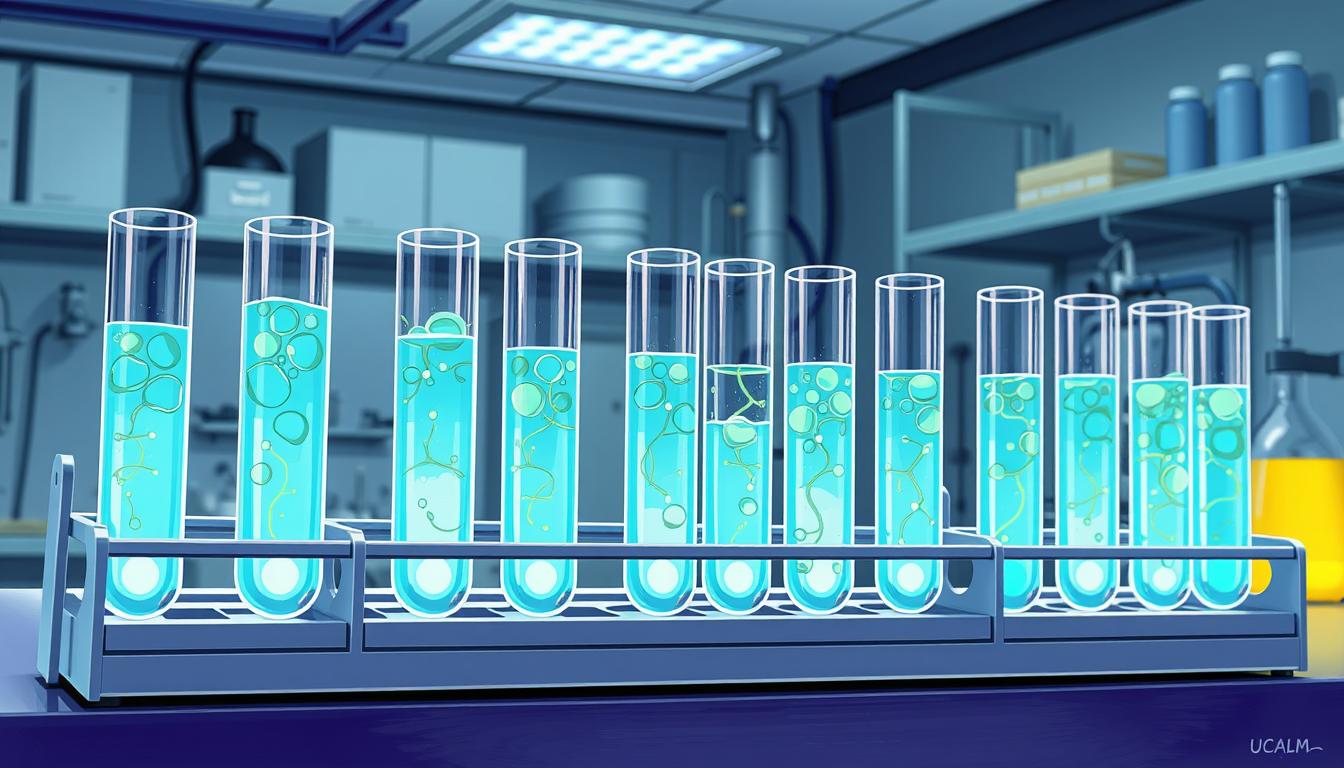
Culture tubes are the result of precision engineering. They give scientists a controlled space to grow and study tiny life forms and cells. Their design helps scientists get the best results in many fields.
Culture tubes come in sizes from 4mL to 36mL, fitting all sorts of research needs. You can pick between glass and plastic, each with its own benefits for different studies.
Key Takeaways
- Culture tubes are fundamental tools in scientific research
- Available in multiple sizes and materials
- Critical for maintaining sterile research environments
- Used across microbiology, cell culture, and diagnostic applications
- Precision design supports accurate scientific investigations
Understanding Culture Tubes: Definition and Importance
Culture tubes are key tools in science, used for growing and studying tiny life forms. They act as controlled spaces for these tiny organisms. This helps scientists keep their experiments precise.
Scientists use culture tubes for many important tasks. These tasks include:
- Isolating certain bacteria
- Doing deep microbiology studies
- Keeping experiments clean and safe
- Keeping sensitive biological samples safe
What Are Culture Tubes?
Culture tubes are special containers for growing bacteria and doing microbiology research. They come in different sizes and materials, each for a specific need. They are usually shaped like cylinders, making it easy to grow bacteria without contamination.
The Role of Culture Tubes in Laboratories
Culture tubes are vital in labs for collecting, storing, and analyzing samples. They are used for:
- Studying microbial growth
- Doing cell culture experiments
- Watching chemical reactions
- Doing diagnostic tests
It’s important to handle and sterilize culture tubes right. This keeps research safe and prevents contamination.
Types of Culture Tubes Used in Research
Research labs use different culture tubes for important studies. Choosing the right container for microorganism growth is key. Knowing the types of sterile containers helps researchers pick the best one for their work.
Standard vs. Specialty Culture Tubes
Culture tubes are mainly standard or specialty. Standard tubes work for most research, while specialty tubes meet special needs.
- Standard tubes: Versatile and cost-effective
- Specialty tubes: Designed for specific research applications
- Customized features for precise scientific protocols
Material Varieties: Glass vs. Plastic
There are two main materials for culture tubes:
| Glass Tubes | Plastic Tubes |
|---|---|
| Borosilicate composition | Polypropylene and polystyrene |
| High chemical resistance | Lightweight and affordable |
| Thermal shock resistant | Disposable options available |
Size Options for Different Applications
Culture tubes come in various sizes for different needs:
- Small volumes: 5 mL tubes for minimal samples
- Medium volumes: 15-25 mL for standard experiments
- Large volumes: 50 mL for extensive research needs
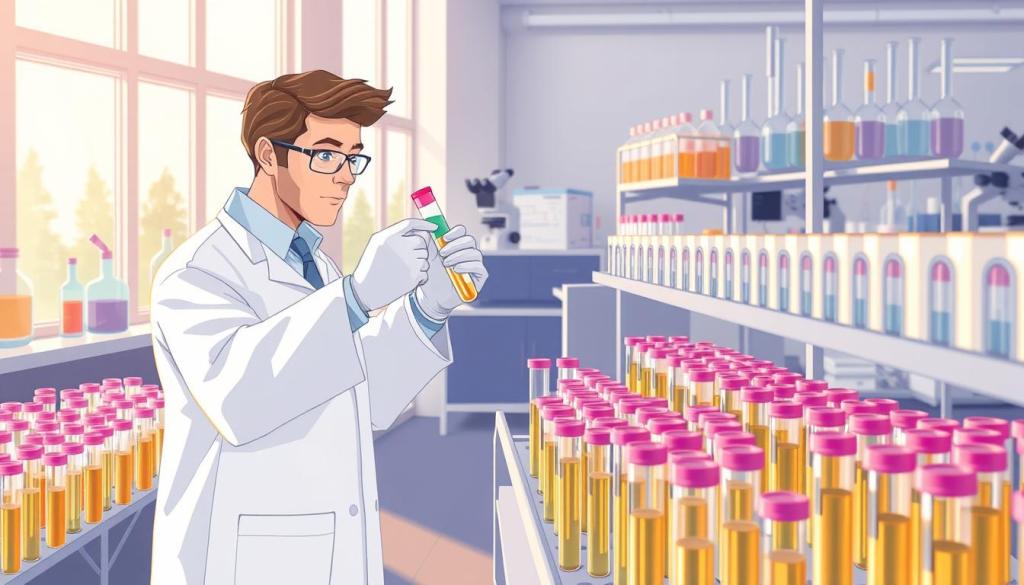
Choosing the right culture tube is important. It depends on material, sterility, and experimental needs. Researchers must think about chemical resistance, thermal stability, and compatibility with growth media for the best results.
Key Features of High-Quality Culture Tubes
Culture tubes are key in scientific research. They help keep samples safe and ensure experiments are accurate. It’s important to know what makes top-notch inoculation tubes stand out.
Sterility and Packaging Considerations
Sterility is the top need for culture tubes. They must come in sealed, safe packaging. Look for these sterility features:
- Pre-sterilized packaging
- Individually wrapped tubes
- Protective barrier against external contaminants
- Clear sterilization indicators
Graduated vs. Non-Graduated Tubes
The design of culture tubes matters a lot. Graduated tubes are better for exact volume measurements. They have clear markers for:
- Precise liquid volume tracking
- Consistent sample preparation
- Reduced measurement errors
Compatibility with Closure Types
Choosing the right closure is key for keeping samples safe. Different closures meet different research needs:
- Screw caps for secure sealing
- Snap caps for quick access
- Dual-position caps for versatile handling
Proper tube selection directly impacts research reliability and experimental success.
Applications of Culture Tubes in Scientific Research
Culture tubes are key tools in many scientific fields. They help researchers grow microorganisms and analyze samples. This is done with great precision and reliability.
- Microbiology and Cell Culture
- Environmental Testing
- Clinical Diagnostics
Microbiology and Cell Culture Techniques
Nutrient agar slants are a basic method in microbiology. They allow scientists to grow and study microbes in controlled settings. Each type of bacteria needs a specific time to grow:
- Helicobacter pylori: 5-day incubation
- Bordetella pertussis: 3-4 days for visible colonies
- Anaerobic species: Minimum 5-day incubation
Environmental Testing Applications
Environmental scientists use culture tubes to test soil, water, and air. These tools help find microbial contamination and check ecosystem health. They are crucial for precise analysis.
Clinical Diagnostics and Blood Work
In clinics, culture tubes are vital for diagnosing diseases. They test blood, fecal samples, and more. This is done through detailed culture techniques.
Precision in microbiological research starts with the right culture tube for each study.
| Research Domain | Primary Applications | Typical Incubation Time |
|---|---|---|
| Microbiology | Bacterial Growth | 24-48 hours |
| Environmental Testing | Contamination Analysis | 3-7 days |
| Clinical Diagnostics | Disease Detection | 48-120 hours |
Culture tubes keep improving, helping scientists explore new areas in many fields.
Best Practices for Using Culture Tubes
Managing microbiology supplies well is key to keeping research honest. Culture tubes are vital in labs, needing careful handling for good results.
It’s important for researchers to know how to handle culture tubes right. This helps avoid contamination and keeps samples good.
Proper Handling Techniques
Here are some important steps for handling culture tubes:
- Always use sterile gloves when managing tubes
- Inspect tubes for cracks or imperfections before use
- Hold tubes at their base to minimize contamination risks
- Work in a clean, designated laboratory area
Sterilization Methods
Sterilizing is key to keeping microbiology supplies safe. There are a few ways to do this:
- Autoclaving: High-pressure steam sterilization at 121-132°C
- Chemical disinfection using specialized laboratory solutions
- Dry heat sterilization for heat-resistant materials
Safe Disposal Procedures
Disposing of used culture tubes safely stops biological dangers:
- Use designated biohazard containers
- Autoclave contaminated tubes before disposal
- Follow institutional safety protocols
- Wear appropriate personal protective equipment
By following these steps, researchers can make sure their work with culture tubes is reliable and accurate.
Importance of Sterility in Culture Tubes
Sterility is key for successful test tube culture and bacterial culturing. Scientific research needs absolute precision. Contamination can ruin experiments. Keeping things sterile is crucial for reliable results.

Microorganisms are everywhere, making lab work hard. Studies show up to 80% of lab contamination comes from the air. This shows how important it is to follow sterile practices.
Understanding Contamination Risks
Contamination can ruin scientific work. In bacterial culturing, risks include:
- Airborne microbial particles
- Improper handling of equipment
- Unsterilized surfaces
- Inadequate personal protective equipment
Techniques to Maintain Sterility
To lower contamination risks, researchers can:
- Use laminar flow hoods
- Follow strict aseptic techniques
- Use disposable sterile equipment
- Clean and disinfect properly
| Sterility Method | Contamination Reduction |
|---|---|
| Laminar Flow Hoods | 99% reduction |
| Ethanol Surface Cleaning | 99.9% pathogen elimination |
| Flaming Inoculation Loops | 99.99% microorganism removal |
Impact of Sterile Culture Tubes on Research Outcomes
Sterile culture tubes are vital for research success. Good sterilization methods help cultures grow better. This keeps experimental data reliable in test tube cultures.
Innovations in Culture Tube Technology
Scientific research is always improving, especially in lab equipment like culture tubes. New tech is changing how scientists work with microorganisms and their growth media.
Advances in Material Science
New materials are making culture tubes better. These materials make tubes last longer, resist chemicals, and work better.
- 3D-printed custom culture tubes
- Biodegradable tube materials
- Enhanced chemical-resistant polymers
- Lightweight yet robust designs
Integration of Technology for Monitoring
New smart culture tech lets scientists watch their containers in real-time. Sensors track things like temperature, pH, and cell growth very accurately.
| Technology Feature | Monitoring Capability |
|---|---|
| Embedded Sensors | Real-time pH tracking |
| Wireless Connectivity | Remote growth observation |
| Microfluidic Design | Miniaturized culture systems |
Eco-Friendly Alternatives
People are now thinking more about the environment in science. Companies are making green alternatives for growing microorganisms. This helps reduce waste and harm to nature.
“Sustainability in scientific research is no longer optional—it’s imperative.” – Biotechnology Research Institute
The future of culture tubes is bright. We’re moving towards tech that’s smarter, more efficient, and kinder to our planet. This will help scientists do their work better and more sustainably.
How to Choose the Right Culture Tube for Your Needs
Choosing the right laboratory supplies is key. Researchers need to think about what they need for their experiments. This ensures the inoculation tubes work well in different scientific tasks.
Scientists should look at a few important things when picking culture tubes. These things can really affect the results of their research:
- Material compatibility with experimental conditions
- Temperature resistance ranges
- Centrifugation capabilities
- Sterility specifications
Essential Factors in Tube Selection
Each research project needs its own special tube. Polystyrene tubes are good for 0°C to 70°C. On the other hand, polypropylene tubes can handle -86°C to 121°C.
Customization and Specific Requirements
Today’s labs often need special tubes. These tubes have unique features like:
- Tubes with pre-printed barcodes
- Smart tubes with integrated sensors
- Specialized coatings for better cell adhesion
- Eco-friendly biodegradable options
Recommendations for New Researchers
New researchers should pick tubes that fit their needs. Think about things like how strong the tube can handle centrifugation. Polystyrene tubes can take up to 2000×g, while polypropylene can handle 4000×g. Make sure the tubes are clean and free from harmful substances.
Choosing the right culture tubes can greatly reduce mistakes in experiments. It also makes research more reliable.
Regulatory Compliance and Culture Tubes
Scientific research needs strict rules to keep lab equipment safe and reliable. Culture tubes are key in this, needing careful attention and quality checks at every step.
The rules for lab gear cover a lot, aiming to keep science honest and results accurate. Both researchers and makers face tough standards to keep quality high.
FDA Guidelines for Laboratory Equipment
The Food and Drug Administration sets strict rules for lab tools. They focus on a few main points:
- Material safety and compatibility
- Manufacturing precision
- Sterility requirements
- Performance consistency
Importance of Certifications
Certifications show a tool’s quality, like nutrient agar slants. Labs must choose gear that’s proven to meet standards to keep research honest.
Quality Control in Manufacturing
Manufacturers follow strict quality checks to meet rules. These steps include:
- Rigorous material testing
- Continuous performance monitoring
- Systematic documentation
- Regular internal and external audits
Following these rules makes sure culture tubes work well in many scientific tasks.
Future Trends in Culture Tube Research
The world of science is changing fast, with culture tubes leading the way. New discoveries are set to change how labs work and how science is done.
Developments in Biodegradability
Nowadays, making things that are good for the planet is key. Scientists are making culture tubes from eco-friendly materials. This makes labs more sustainable without losing quality.
- Biodegradable polymers from plants
- Less carbon in making them
- They can be recycled more easily
Potential for Automation in Laboratories
Automation is a big step forward for culture tubes. New tech is making labs work better by:
- Robots handling culture tubes
- Scanning and tracking tech
- Digital monitoring
Predictions for New Applications
Culture tubes are going places beyond just research. They might be used in:
| Field | Potential Applications |
|---|---|
| Personalized Medicine | Custom cell culture methods |
| Environmental Research | Tracking microorganisms better |
| Biotechnology | Genetic research tools |
With ongoing innovation, culture tubes are making science more efficient, green, and accurate for everyone.
Conclusion: The Vital Role of Culture Tubes in Research
Culture tubes are key in scientific research, filling important gaps in test tube and bacterial culturing. They have evolved a lot, showing how important specialized lab tools are for discovery. These tools help scientists in many fields, from small labs to big medical centers.
Culture tubes do more than just hold things. They help scientists do precise, clean experiments. They come in sizes like 25 mL to 50 mL, and are made of materials like glass and plastic. These materials help with different kinds of research.
Science moves forward with new lab tools. Culture tubes help us understand microbes, cells, and diseases. Scientists need to keep finding new ways to keep things clean and safe in their work.
As tech gets better, so will culture tubes. They will help with even more complex research. The future of science depends on better lab tools, and culture tubes are a big part of that.
FAQ
What are culture tubes and why are they important in scientific research?
Culture tubes are special containers used in labs. They help grow and study tiny living things and cells. These tubes keep things clean and controlled, making sure experiments work the same way every time.
What materials are typically used to manufacture culture tubes?
Culture tubes are made from glass or plastic. Glass ones can handle very high temperatures. Plastic ones are lighter, cheaper, and don’t react with chemicals.
How do researchers maintain sterility when using culture tubes?
To keep things clean, researchers use pre-sterilized tubes and work in special hoods. They also use sterile techniques and disinfect tools. This keeps everything safe and free from germs.
What types of scientific disciplines use culture tubes?
Many fields use culture tubes, like microbiology and cell biology. They help grow bacteria and analyze samples. This makes them key for many scientific studies.
How do I choose the right culture tube for my research?
Choosing the right tube depends on your research needs. Think about the type of sample, how clean it needs to be, and the temperature it needs. The size and how it’s closed also matter.
What are the recent technological innovations in culture tube design?
New advancements include better materials and eco-friendly options. There are also tubes that can monitor things in real-time. These changes help with more accurate and safe research.
What are the key considerations for storing culture tubes?
Storing tubes right means keeping them at the right temperature and away from sunlight. Use sterile environments and follow the maker’s instructions. This keeps them safe and effective.
How do regulatory standards impact culture tube production?
Rules like FDA guidelines make sure tubes are made well and are safe. They help keep quality high and research reliable. This is important for both science and medicine.
What are the best practices for disposing of used culture tubes?
Dispose of tubes by using special containers and following safety rules. Autoclave them to kill germs. Always follow local and federal laws for handling biological waste.
What future trends are emerging in culture tube technology?
New trends include making tubes from biodegradable materials and using smart tech. There’s also a push for tubes made for specific research needs and for greener labs.
Leo Bios
Hello, I’m Leo Bios. As an assistant lecturer, I teach cellular and
molecular biology to undergraduates at a regional US Midwest university. I started as a research tech in
a biotech startup over a decade ago, working on molecular diagnostic tools. This practical experience
fuels my teaching and writing, keeping me engaged in biology’s evolution.




Leave a Comment
Your email address will not be published. Required fields are marked *