


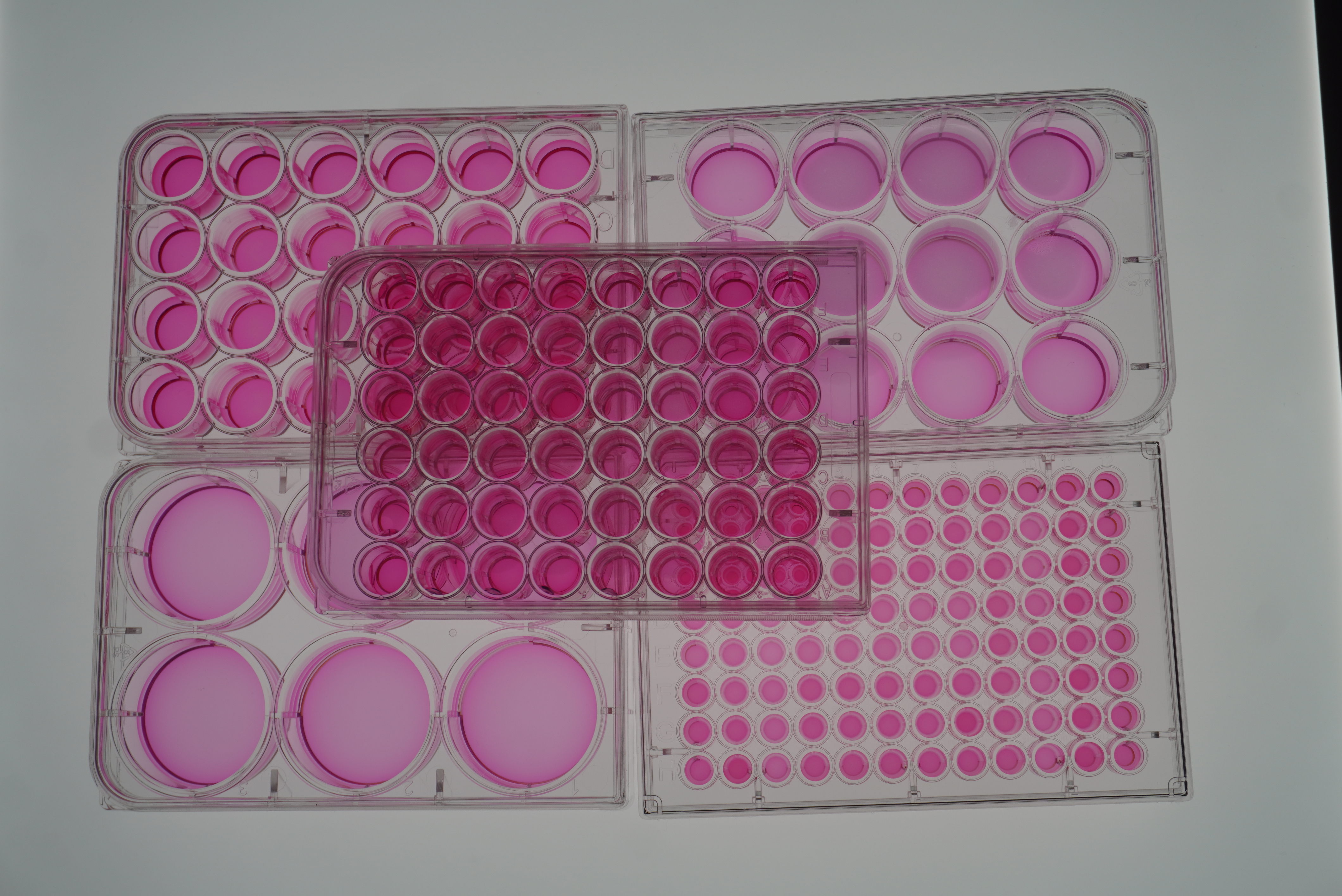
Scientists use microplates as key tools in labs. The shape and design of wells are crucial for success. The Microplate Well Geometry affects how much sample is used, optical measurements, and how well assays work.
Studies show that well shape really matters. For example, round wells make meniscus formation more even than square ones. This shows how complex microplate design can be.
Knowing how well geometry affects results helps researchers improve their work. It reduces errors and makes data more reliable in many scientific fields.
Key Takeaways
- Microplate well geometry critically impacts experimental precision
- Different well shapes produce unique measurement characteristics
- Proper well design minimizes measurement variations
- Flat-bottom wells provide most consistent path lengths
- Well geometry influences sample volume and optical readings
Introduction to Microplate Well Geometry
Microplate well geometry is key in today’s lab work. It lets scientists do precise and efficient tests in many fields. Advanced microplate technologies have changed how we do research. They give us tools for complex biological studies.
The design of microplate wells has changed a lot. From the first 72-well plate in 1950 to today’s 1536-well plates, these systems have greatly improved research.
Definition of Microplate Well Geometry
Microplate well geometry is about the design of each well. It includes:
- Well Bottom shape and design
- Well Volume capacity
- Spatial arrangement and density
- Material composition
Importance in Laboratory Research
Well geometry is more than just a container design. Researchers pick well designs based on their needs. Different designs help with handling samples, saving reagents, and making results more reliable.
Microplates come in many sizes, from 6 to 1536 wells. Each size has its own benefits. The Well Volume can be very small or quite large, giving scientists a lot of freedom in their work.
Applications in Biological Research
Biological research today uses microplate well geometry in many ways. This includes:
- Cell culture studies
- Drug discovery screening
- Genomic and proteomic analyses
- High-throughput experimental protocols
By using advanced well designs, scientists can do more precise, efficient, and reliable research. This is true across many fields.
Types of Microplate Wells
Microplate wells are key in biological research. They come in different shapes to fit various needs. Knowing the differences helps scientists pick the right one for their studies.
The shape of the well is very important. It affects how well samples are handled and analyzed.
Flat-Bottom Wells
Flat-bottom wells are great for cell cultures and looking at cells under a microscope. They offer:
- Consistent cell attachment
- Enhanced optical clarity
- Optimal surface area for cellular growth
Round-Bottom Wells
Round-bottom wells have curved sides. They help with:
- Efficient liquid mixing
- Reduced surface tension
- Improved sample recovery
U-Bottom Wells
U-bottom wells have special features for certain research needs:
- Enhanced liquid collection
- Reduced sample loss
- Superior sedimentation properties
Choosing the right well depth, diameter, and shape is crucial. It ensures the best results in many biological studies.
Material Composition of Microplates
Creating microplates involves choosing the right materials. This choice affects the results of experiments. The material used impacts the size and shape of wells, which are key for research.
Scientists use different materials for microplates. Each material has its own strengths for specific uses.
Plastics in Microplate Design
Most microplates are made of plastic. There are three main types:
- Polystyrene: Great for cell culture and tests
- Polypropylene: Best for keeping samples cold
- Cyclo-olefins: Offers clear views and stays stable in heat
Glass Microplates for Specific Applications
Glass microplates are top-notch for certain studies. They have the best optical quality for detailed views under the microscope.
“Glass microplates are the best for detailed research needing clear views and little background noise.”
Coatings for Enhanced Performance
Coatings can make microplates work better. There are many coatings to help cells stick, reduce unwanted binding, and improve results.
Choosing the right material and coating is very important. It affects the size of wells and how precise experiments can be.
Microplate Well Configuration
Researchers in biological sciences use microplates to improve their experiments. The right microplate format is key to success in the lab.
Microplates have changed a lot since Dr. Gyula Takatsy first made them in 1950. They now come in many sizes to fit different research needs.
Standard Formats and Dimensions
Today, microplates come in many standard sizes. Each size has its own special features:
- 6-well plates for small experiments
- 96-well plates for medium-sized tests
- 384-well plates for more detailed studies
- 1,536-well plates for very large tests
The size of the wells in these plates varies. For example, 96-well plates have wells 9 mm apart. But, 1,536-well plates have wells just 2.25 mm apart. All microplates are the same size, 127.76 mm × 85.48 mm ± 0.5 mm.
Custom Configurable Options
Now, there are special microplates for specific needs:
- Deep well microplates for more sample
- Permeable membrane plates for cell studies
- Special bottom shapes (flat, V-shaped, U-shaped)
Impact on Experimental Design
Choosing the right microplate format is crucial. It affects how much sample you can use, how much reagent you need, and how big your study can be. Researchers must pick the best format for their research to get the best results.
Effects of Well Geometry on Assays
Microplate well geometry is key to the success of scientific experiments. It helps in handling samples, detecting results, and getting accurate outcomes. Researchers need precise well shapes for these tasks.
The design of microplate wells is very important in research. Different shapes can change the results of experiments. This makes well geometry a big deal in labs.
Influence on Sample Volume
Well geometry affects how much sample you can use. Researchers must think about well shape when planning experiments. This ensures the best results:
- Flat-bottom wells give more space for cell cultures to stick to
- Round-bottom wells help mix liquids better and save more sample
- U-shaped wells keep liquids in and prevent them from evaporating
Importance in High-Throughput Screening
High-throughput screening needs exact well designs. Microplate well geometry helps researchers:
- Put more samples in one place
- Use less reagent
- Work better with automation
Compatibility with Various Techniques
Scientific methods need specific well shapes to work right. Spectrophotometric and fluorescence-based assays depend on well geometry for accurate readings. For example, round-bottomed plates are best for turbidity measurements.
Studies show that cell growth changes with microplate well geometry. Experiments with HeLa and Molt3 cells found that well shape affects cell counts. Detection peaks were seen at certain wavelengths (410 and 560 nm).
Microplate Well Density and Its Implications
Microplate well density is key in biological research. It affects how well and precisely experiments are done. New microplate technologies have greatly improved research, offering many options.
Researchers have many well density choices, each for different needs. The options range from:
- 6-well plates for low-throughput studies
- 24-well plates for intermediate applications
- 96-well plates as the most common laboratory standard
- 384-well plates for enhanced screening capabilities
- 1,536-well plates for high-throughput experiments
High-Density Microplates
High-density microplates, like 384 and 1,536-well, help researchers process more samples. They have tight well spacing, about 2.25 mm. This makes experiments more efficient. The design of the well bottom and volume is very important here.
Low-Density Microplates
Low-density microplates, such as 6 and 24-well, have bigger well volumes. They’re great for cell culture and initial studies. These plates hold more samples, which is good for working with cell lines or detailed experiments.
Selection Criteria for Specific Applications
Choosing the right microplate depends on several things:
- Sample availability
- Assay sensitivity requirements
- Desired experimental throughput
- Available instrumentation
Today’s robots can handle plates fast. A 96-well plate in under 3 minutes and a 1,536-well in less than an hour. This shows how far microplate technology has come.
Innovative Trends in Microplate Well Design
The world of microplate well design is changing fast. New technologies and scientific breakthroughs are leading the way. They aim to make microplates more efficient, green, and flexible.
- Miniaturization of well dimensions
- Advanced material technologies
- Sustainable design approaches
- Enhanced performance characteristics
New Materials and Technologies
Scientists are looking into new materials for microplate design. Cycloolefin polymer (COP) and copolymer (COC) are leading the charge. They offer top-notch acoustic liquid handling, improving well depth and diameter.
Miniaturization and its Benefits
Miniaturization has changed what microplates can do. Here are some key achievements:
| Microplate Format | Wells | Working Volume | Growth Area |
|---|---|---|---|
| 96 Half Area | 96 | Reduced 50% | 15 mm² |
| 384 Well | 384 | Reduced 2/3 | 2.7 mm² |
| 1536 Well | 1536 | 1-10 µl | Minimal |
Sustainable Microplate Designs
More people care about the environment, leading to green microplate designs. Companies are making eco-friendly plates that use less material but still perform well. The aim is to reduce environmental harm without losing scientific quality.
The future of microplate design is about smart, eco-friendly innovations that tackle both scientific and environmental issues.
Quality Control in Microplate Manufacturing
Microplate production is key in biological research. Even small changes in Well Dimensions can affect results. So, makers must follow strict quality control to keep performance steady.
- Advanced optical measurement technologies
- Laser scanning techniques
- Computerized dimensional verification
- Statistical process control methods
Precision Manufacturing Standards
Researchers need microplates that meet high standards. The certification process checks for consistent well geometry and performance.
Critical Quality Parameters
Important quality control factors include:
- Wall thickness uniformity
- Well bottom flatness
- Material composition consistency
- Surface treatment precision
Industry Certifications
Top makers get ISO 9001 certification to show their quality commitment. These standards help ensure microplates work well in many scientific tasks.
Precision in microplate manufacturing is not just a technical requirement—it’s a fundamental prerequisite for reliable scientific research.
Best Practices for Working with Microplates
Successful biological research needs careful microplate handling and preparation. It’s important to know about different microplate formats and densities. This knowledge helps get the best results from experiments.
Starting with proper microplate management is key. This includes preparing samples well and choosing the right reagents. Working with microplates requires attention to detail and a systematic approach.
Handling and Sample Preparation
Effective microplate handling involves several critical steps:
- Use clean, sterile techniques when preparing samples
- Match sample volume to specific microplate density requirements
- Avoid cross-contamination between wells
- Ensure consistent pipetting techniques
Selecting the Right Reagents
Choosing the right reagents is crucial for microplate performance. Consider these key factors:
- Compatibility with microplate material
- Appropriate volume for the specific microplate format
- Chemical stability across different well geometries
| Microplate Format | Recommended Reagent Characteristics |
|---|---|
| 96-well | High-precision liquid handling, minimal surface tension |
| 384-well | Low-volume reagents, enhanced surface coating |
| 1536-well | Ultra-low volume reagents, specialized dispensing techniques |
Troubleshooting Common Issues
Researchers often face challenges with microplate experiments. Identifying and mitigating potential problems can make experiments more reliable:
- Minimize evaporation through proper sealing
- Address edge effects by using edge correction algorithms
- Standardize pipetting techniques to reduce variability
By following these best practices, scientists can get the most out of their microplate experiments. This ensures reliable and accurate results in various research areas.
Future Directions in Microplate Well Geometry Research
The world of microplate well geometry is changing fast. New research is making big leaps in biological innovation. Technologies like expansion microscopy (ExM) and high-resolution imaging are leading the way.
Researchers are creating advanced microplates for complex experiments. These include hydrogel expansion and tracking cells with precision. This is a big step forward for science.
New designs in microplate well geometry are solving old problems. Now, microplates with 8 wells, each 2×2 cm, can expand hydrogel up to four times its size. This is a huge boost for precise research in fields like cellular imaging and biotechnology.
Automation and robotics are making microplates better. By combining well shape optimization with automated imaging, scientists can stain samples more efficiently. This means less manual work and more accurate results.
The future of microplate well geometry is bright. We can expect even smaller, more versatile, and smarter microplates. They will be designed to handle a wide range of experiments, from detailed cellular studies to advanced diagnostics. As technology advances, microplates will become more intelligent and tailored to specific research needs.
FAQ
What is microplate well geometry?
Microplate well geometry is about the physical details of wells in a microplate. This includes their shape, depth, diameter, and bottom profile. These details are key to how well experiments work, how samples are handled, and the results of assays in biological research.
Why is well geometry important in biological research?
Well geometry affects the results of experiments by changing how samples are mixed, how cells grow, and how sensitive assays are. Different well designs can make certain research techniques better, from growing cells to screening many samples at once.
What are the most common microplate well shapes?
The main microplate well shapes are flat-bottom, round-bottom, and U-bottom wells. Each shape has its own benefits for different experiments, like how cells stick, handling liquids, and measuring light.
How do material choices impact microplate well performance?
Materials like polystyrene and polypropylene have special properties that change how experiments work. The choice of material affects how cells stick, how well reagents mix, and how reliable the assay is.
What factors should researchers consider when selecting microplate well configurations?
Researchers need to think about well density, how much volume is needed, the type of experiment, how much sample is available, and what the assay requires. They should look at standard 96-well, 384-well, or custom formats to improve how much can be done and the design of the experiment.
How does well geometry affect high-throughput screening?
Well geometry is key in high-throughput screening by making sure samples are handled right, volumes are evenly distributed, and work with automated systems. The right well design makes screening faster and more reliable.
What are the advantages of different microplate well densities?
High-density microplates (like 384-well or 1536-well) let you do more with less reagent, saving money and resources. Low-density plates (like 24-well) offer more space for complex experiments.
How are microplate technologies evolving?
New developments focus on making things smaller, using eco-friendly materials, advanced coatings, and working with automation. Trends include 3D cell culture and better well designs for special research needs.
What quality control measures ensure reliable microplate performance?
Manufacturers follow strict rules for making microplates. They check dimensions, material consistency, surface treatments, and test them thoroughly. This ensures wells are accurate, clear, and reliable for experiments.
What are common challenges when working with microplate wells?
Researchers face problems like edge effects, evaporation, contamination, and keeping sample volumes the same. Using the right handling techniques, choosing the right wells, and using top-quality microplates can help solve these issues.





Leave a Comment
Your email address will not be published. Required fields are marked *