


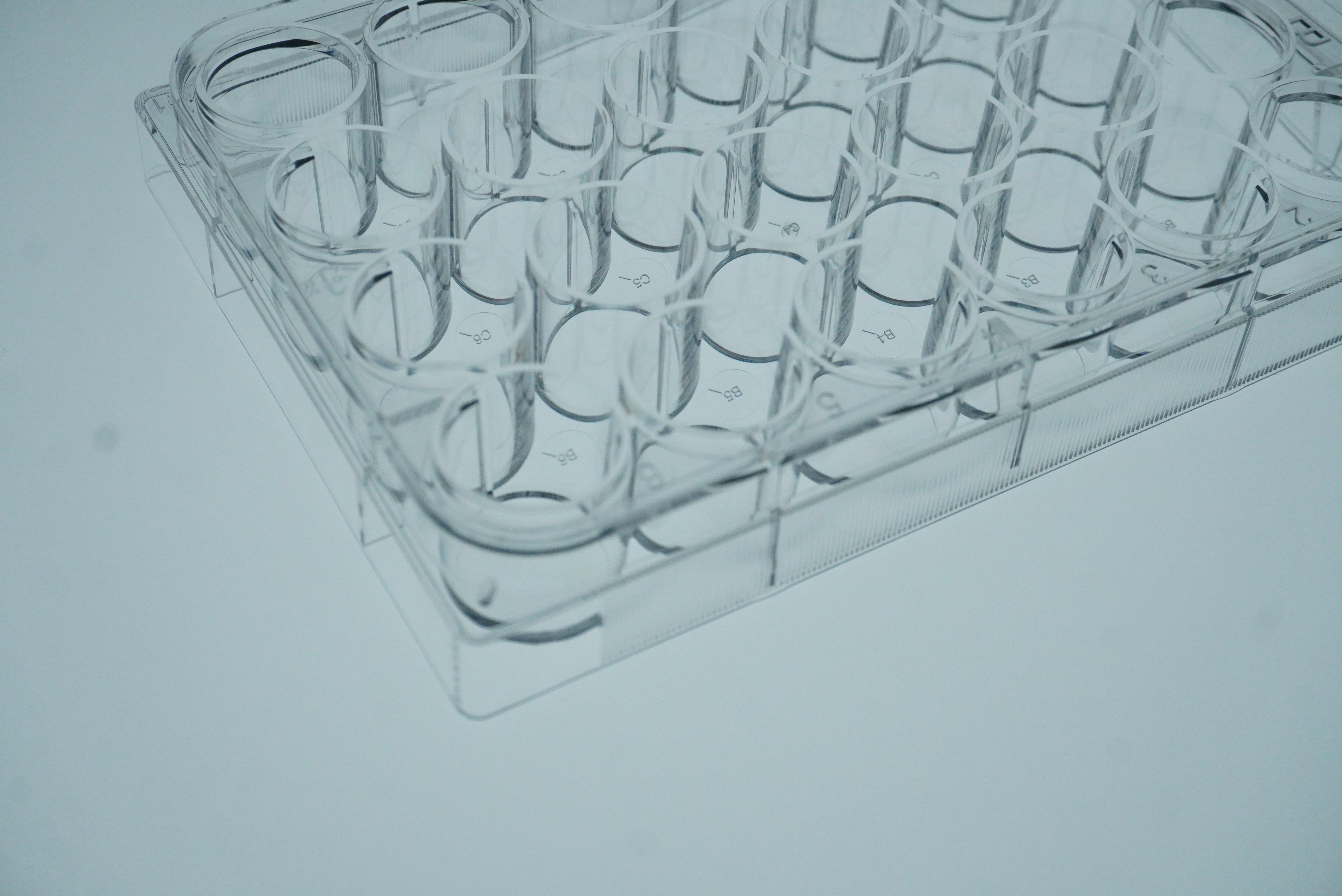
Microplate imaging has changed how scientists do their work. These special plates have clear bottoms and solid sides. This setup is perfect for watching and studying cells closely. It lets researchers see more than just what’s on the surface.
These plates are used in many fields, like finding new medicines and studying genes. They come in sizes like 96- to 384-well plates. This makes it easier for scientists to do detailed and accurate tests.
Key Takeaways
- Transparent-bottom microplates enable high-resolution imaging without sample disruption
- Supports advanced Microplate Imaging techniques across multiple research domains
- Provides optimal conditions for High-Content Screening
- Reduces experimental variables and improves data reliability
- Allows real-time monitoring of cellular processes
- Compatible with various optical analysis methods
- Enhances overall research productivity and precision
Introduction to Microplates with Transparent Bottoms
Microplates with transparent bottoms are a game-changer in biology. They are made to improve Cell-Based Assays, Fluorescence Microscopy, and Live-Cell Analysis. They offer clear views and more flexibility in experiments.
These special plates give scientists big advantages. They have:
- Opaque side walls that prevent light interference
- Clear bottom surfaces enabling direct microscopic examination
- Optimal performance for luminescence and fluorescence measurements
These microplates are great for many advanced techniques. Fluorescence Microscopy gets a big boost. Scientists can see cells through the clear bottom without disturbing them.
For Live-Cell Analysis, these plates are a must. They let scientists watch cells live. This gives insights that were hard to get before. The clear bottom helps capture detailed cell movements.
These microplates work well with today’s research tools. They help scientists explore many areas, from cell biology to molecular research.
Enhanced Optical Clarity for Accurate Results
Microplate technology has changed biological research a lot. It gives scientists better tools for precise work. Tissue culture plastics now offer unmatched optical clarity, changing lab work a lot.
Bottom-reading microplates are a big step forward in science tools. They let researchers see their work with high accuracy and detail.
Importance of Optical Clarity
Clearness is key in today’s science. The clear bottoms of microplates bring big benefits:
- Direct view of cell cultures
- Better light passing through
- More precise measurements
- Fewer mistakes in experiments
Applications in Cell Culture
Now, scientists can watch cell growth and behavior easily. The clear bottom helps with:
- Watching cells in real-time
- Checking on them without disturbing
- Keeping the environment steady
Benefits in Assay Sensitivity
Bottom-reading microplates make assays more sensitive. Fluorescence detection can boost sensitivity up to tenfold over old methods. Scientists can spot tiny changes in cells with great precision.
Thanks to better optical clarity, researchers get more reliable results. This is true for many areas, like finding new drugs and studying genes.
Increased Flexibility in Experimental Design
Microplates with transparent bottoms have changed biomedical research a lot. They offer a flexible platform for many research needs. This makes them key in today’s science.
Multi-Application Capabilities
These microplates do more than just traditional research. They help scientists in many ways, making labs more efficient.
- Supports diverse experimental protocols
- Enables seamless technique integration
- Reduces need for multiple specialized equipment
Advanced Surface Configurations
Today’s microplates come in many surface types. Scientists can pick the right one for their research. This helps get better results.
| Surface Type | Primary Application | Research Benefit |
|---|---|---|
| Non-treated surfaces | General screening | Broad compatibility |
| Immunoassay surfaces | Protein interaction studies | Enhanced binding precision |
| Cell culture surfaces | Cellular research | Optimal cell adherence |
Customizable Research Formats
Transparent-bottom microplates are very adaptable. They let scientists set up experiments just right. Biomedical research gets a boost from these designs.
- Variable well configurations
- Interchangeable detection methods
- Scalable experimental designs
Streamlined Data Collection and Analysis
Microplates with transparent bottoms have changed scientific research. They allow for advanced data collection. Researchers use high-content screening and microplate imaging to get new insights into how cells work.
Live-cell analysis has gotten better with these new microplates. Scientists can watch how cells move without stopping the experiment. This makes research smoother.
Integration with Imaging Systems
Modern microplate technologies work well with advanced imaging systems. The main benefits are:
- They fit well with many microscopy platforms
- They offer clear images for accurate measurements
- They cut down on image noise and background
Real-Time Monitoring Capabilities
The clear bottom lets researchers watch cells all the time. They can see:
- How cells grow and multiply
- How proteins interact
- Changes in metabolism
- How drugs affect cells
Now, technology can collect data automatically. Systems can handle up to 96 samples at once. This speeds up research without lowering its quality.
Economic and Resource Efficiency
Microplates with transparent bottoms have changed how we do Cell-Based Assays and Biomedical Research. They are a big step forward in using resources wisely and saving money.
These advanced microplates bring big savings. Studies show they can cut costs and improve how we manage resources in labs.
Reduced Reagent Usage
By designing microplates smartly, researchers can use less reagent. This leads to:
- Less volume needed for experiments
- Being able to detect things with tiny amounts of sample
- Being able to do reactions with even less material
Decreased Overall Costs
Looking at the numbers, we see clear financial benefits:
| Cost Metric | Improvement Percentage |
|---|---|
| Reagent Savings | Up to 50% |
| Experimental Efficiency | 26-72% Productivity Increase |
| Test Cost Reduction | From $0.79 to $0.15 per Test |
Sustainability in Research Practices
Today’s research needs to be green. Transparent-bottom microplates help by:
- Reducing waste
- Lowering chemical use
- Making experiments more efficient
*”Efficiency isn’t about doing more work, but about creating smarter solutions that optimize resources.”*
These microplates are a big leap in lab tech. They offer a way to do research that’s good for the wallet and the planet.
Improved Assay Performance
Researchers are always looking for ways to make their experiments more precise and sensitive. Bottom-reading microplates have become a key tool in improving assay performance in many fields.
Consistency in Results
Fluorescence microscopy needs top-notch optical clarity for reliable data. Transparent-bottom microplates offer unmatched consistency by cutting down signal variability. This design helps:
- Reduce background noise
- Boost signal-to-blank ratios
- Improve measurement accuracy
Enhanced Detection Limits
New microplate technologies are changing research. With the best optical clarity, scientists can spot tiny concentration changes with great precision.
| Plate Color | Fluorescence Performance | Recommended Use |
|---|---|---|
| Black | Lowest background noise | Low concentration measurements |
| White | Highest signal intensity | Luminescence and TR-FRET assays |
| Clear | Balanced signal transmission | General fluorescence applications |
Choosing the right microplate features is crucial for better results. It lets researchers explore the limits of detection in biological studies.
Simplified Workflow for Researchers
Researchers in cell-based assays and high-content screening always look for ways to make their work easier. Microplates with transparent bottoms are a key tool for making lab work more efficient and precise.
The design of transparent-bottom microplates is a big step forward in lab technology. These plates give researchers new abilities that cut down on time and make experiments simpler.
User-Friendly Design Features
Transparent-bottom microplates have important features that make them easy to use:
- They work well with many imaging systems
- They fit with different cell culture methods
- They need less manual handling
- They make collecting data easier
Time-Saving Capabilities
Using microplates with transparent bottoms offers big advantages over old research methods. Now, researchers can do many tests on one plate. This cuts down on time and boosts productivity in high-content screening.
These microplates help with fast cell-based assays by giving:
- Direct optical access without removing the plate
- Consistent accuracy in measurements
- Less variation in experiments
By using transparent-bottom microplates, research teams can turn complex workflows into smooth, reliable processes. This speeds up scientific discovery.
Promoting Innovation in the Biological Field
Transparent-bottom microplates are changing Biomedical Research. They are making it easier for scientists to explore complex issues. This is thanks to Live-Cell Analysis and Fluorescence Microscopy.
New microplate technologies are making big strides in biological research. They offer features that boost experimental abilities:
- Improved optical clarity for precise imaging
- Reduced reagent consumption
- Enhanced data collection efficiency
- Support for high-throughput screening techniques
Breakthrough Technological Developments
Modern microplate designs help scientists answer tough questions. They use advanced materials and engineering. This opens up new ways to study cells.
| Microplate Feature | Research Impact |
|---|---|
| Shallow Well Configurations | Reduced reagent usage by up to 70% |
| 3D Cell Culture Compatibility | Enhanced data robustness |
| High-Density Well Formats | 16-fold increase in experimental throughput |
Supporting Emerging Research Frontiers
Microplate technology keeps getting better. Specialized plate designs now accommodate complex experimental protocols. This lets scientists study cells in new ways with great detail.
Transparent-bottom microplates are more than tools. They are key to finding new things in Biomedical Research.
Conclusion: Why Choose Transparent-Bottom Microplates
Transparent-bottom microplates are a big step forward in biology research. They let scientists do their work more accurately and quickly. This is because they have clear bottoms that let you see cells without messing with them.
These plates are more than just tools for labs. They help scientists measure light and color in cells with great detail. This means less time moving samples around and fewer mistakes in experiments. It also lets scientists watch what’s happening in cells as it happens.
Summary of Key Benefits
These plates make research easier and more precise. They help scientists analyze data faster and get better results. They’re great for many kinds of research, from growing cells to using fancy cameras to study them.
Future Trends in Microplate Usage
As technology gets better, these microplates will be even more important. We can expect them to get clearer and work better with new tools. Scientists will keep finding new ways to use them, leading to more discoveries and understanding of life.
FAQ
What are microplates with transparent bottoms?
Microplates with transparent bottoms are special plastics for growing cells. They have clear bottoms and opaque sides. This lets researchers see cells clearly for studying and taking pictures.
How do transparent-bottom microplates enhance cell-based assays?
These microplates let researchers watch cells grow. They help in live-cell studies and high-quality pictures without moving cells. This makes experiments more accurate and less likely to harm cells.
What are the primary applications of transparent-bottom microplates?
These microplates are used for many things. They help in high-content screening, microscopy, and cell studies. They’re also good for live-cell imaging and advanced research that needs clear views of cells.
How do transparent-bottom microplates improve experimental flexibility?
These microplates are very flexible. They work with many surfaces and well types. They also fit with different imaging systems. This makes it easy for researchers to design their experiments.
What makes optical clarity crucial in these microplates?
Clear plates are key for accurate results. They help in detecting light and colors well. This lets researchers see cell details clearly without any plate interference.
Are transparent-bottom microplates cost-effective?
Yes, they save money in research. They use less reagent and support many tests at once. This makes research more efficient and can lower costs.
How do these microplates support advanced research techniques?
They help with new research methods. They allow for real-time monitoring and detailed cell images. They’re great for live-cell studies and microscopy.
What surface treatments are available for transparent-bottom microplates?
There are many surface options. You can find plates treated for cell growth, like collagen or poly-D-lysine. These help cells stick and grow better.
How do transparent-bottom microplates contribute to research innovation?
They help in new discoveries. They offer better imaging and support new research methods. This leads to more detailed and precise studies.
What considerations should researchers keep in mind when selecting transparent-bottom microplates?
Think about the plate’s quality and if it works with your equipment. Also, consider what you need for your cells and experiments. Look at surface treatments and well types too.






Leave a Comment
Your email address will not be published. Required fields are marked *