



Are you ready to unlock the precision and power of scientific liquid handling? Serological pipettes are key tools in lab research. They help scientists transfer liquids with great accuracy and consistency.
These special instruments can handle liquid volumes from less than 1 milliliter to 50 milliliters. They are vital for many scientific tasks. Learning how to use pipettes well is crucial for getting reliable results in research.
Knowing how to use serological pipettes right is more than just moving liquids. It’s about handling them correctly, using the right technique, and paying attention to details. These steps can greatly affect the success of your research.
Key Takeaways
- Serological pipettes enable precise liquid measurements from 1 to 50 milliliters
- Proper pipetting techniques improve experimental accuracy
- Laboratory professionals must understand volume increments and calibration
- Sterility and contamination prevention are crucial when using pipettes
- Different pipette types serve specific scientific research needs
Understanding Serological Pipettes
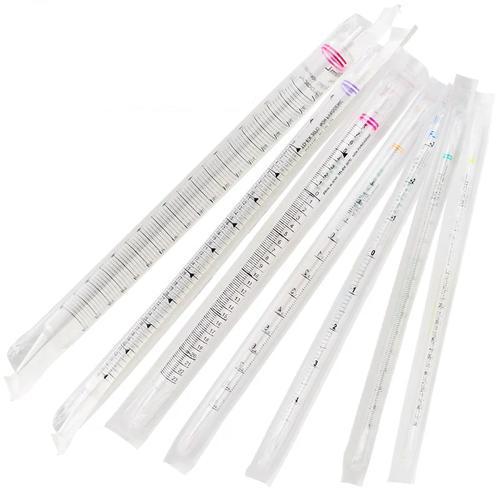
Serological pipettes are precise tools for moving liquids with great accuracy. They are key in science labs, hospitals, and experiments. Learning to use them well is crucial for getting reliable results.
Scientists use serological pipettes for liquids from 1 mL to 50 mL. These tools come in glass and plastic, each with its own benefits for precise work.
Types of Serological Pipettes
- Glass Serological Pipettes
- Reusable and eco-friendly
- Can be sterilized in an autoclave
- Ideal for repeated use in controlled environments
- Plastic Serological Pipettes
- Made from lightweight polystyrene
- Pre-sterilized to reduce contamination risks
- Cost-effective for high-throughput laboratories
Key Applications
Serological pipettes are very useful in many lab tasks, such as:
- Cell culture maintenance
- Chemical titration processes
- Sample dilution preparation
- Precise liquid transfer
| Pipette Type | Volume Range | Primary Use |
|---|---|---|
| Glass Pipettes | 1-25 mL | Reusable laboratory work |
| Plastic Pipettes | 1-50 mL | Single-use applications |
Getting good at pipetting means knowing how each pipette works and picking the right one for the job. Using them correctly leads to consistent and dependable results in science.
Components of a Serological Pipette
Serological pipettes are key tools in labs. Knowing their parts helps keep them working well. This ensures scientists get accurate results.
Pipette Body
The pipette body is the main part of the tool. It’s made from clear plastic or glass. This lets researchers see the liquid levels during use.
- Made from clear, durable materials
- Designed for precise liquid handling
- Resistant to chemical interactions
Graduations and Calibration
Graduations are key for measuring liquids accurately. Pipette calibration makes sure these marks are correct. They range from 0.1 to 100 milliliters.
“Accurate calibration is the foundation of reliable scientific research” – Laboratory Standards Institute
Tips and Filters
Pipette tips and filters stop contamination. They keep samples safe. Modern pipettes have special filters for pipette maintenance.
- PTFE membrane filters prevent vapor contamination
- Removable nose cones allow for sterilization
- Filters available in multiple pore sizes (0.20 μm and 0.45 μm)
Understanding and caring for these parts is important. It keeps the pipettes working well for a long time.
Preparing to Use a Serological Pipette
Laboratory experts must prepare carefully before using serological pipettes. This ensures accurate and safe handling of liquids. It’s important to know the necessary equipment and follow strict safety rules.
Essential Equipment and Materials
Researchers need certain tools for effective work with serological pipettes:
- Pipette controllers for precise liquid transfer
- Personal protective equipment (PPE)
- Appropriate pipette tips matching serological pipette types
- Sterile work surface
- Disposal containers for used pipettes
Critical Safety Precautions
Pipette safety is a top priority. Modern research strongly advises against mouth pipetting. This old method can lead to serious health issues, like contamination and accidental ingestion.
Safety starts with understanding and respecting lab equipment and procedures.
Important safety tips for serological pipettes include:
- Always wear protective gloves
- Use appropriate pipette controllers
- Inspect pipettes for damage before use
- Follow proper disposal guidelines
- Clean work surfaces before and after use
Researchers must keep their lab clean and safe when handling liquids. Proper preparation and following safety rules protect the science and the people involved.
Techniques for Proper Handling
Mastering pipette ergonomics is key for lab workers who want to be precise and efficient. How researchers handle serological pipettes affects the accuracy of their work and their comfort during long hours.

Good pipette techniques involve paying attention to several things. Scientists need to find a consistent method that cuts down on mistakes and physical strain.
Correct Pipette Grip and Posture
Starting with the right grip and posture is important for pipette ergonomics. Lab workers should:
- Hold the pipette gently but firmly
- Keep their wrist neutral
- Support their forearm when using the pipette for a long time
- Adjust their chair height for easy reach
Preventing Sample Contamination
Keeping samples clean is vital for honest research. Important pipette techniques include:
- Always use sterile, disposable pipette tips
- Change tips between samples
- Only handle pipettes above the graduation marks
- Work in a clean, dedicated area
Researchers should prerinsing tips to ensure even volume and lower contamination risks. The right insertion depth of 10-20mm helps in precise liquid transfer and keeps samples safe.
Proper handling is not just about technique, but about protecting the scientific process itself.
By focusing on pipette ergonomics and careful handling, lab workers can greatly enhance their results and comfort.
Steps for Aspiration
Accurate pipetting needs precision and careful technique. Serological pipettes are key in labs, helping researchers move liquids with great accuracy. Knowing the steps of aspiration can greatly improve your lab work.
When learning to use serological pipettes, keep these tips in mind for the best results:
- Choose the right pipette size for your liquid amount
- Keep the angle steady when moving liquids
- Control how fast you take in the liquid
- Reduce the risk of contamination
Correct Angle and Depth Techniques
To pipette accurately, keep the angle just right. Hold the pipette at a 90-degree angle to the liquid, with the tip just under the surface. This method avoids air bubbles and ensures you get the right amount.
Smooth and Steady Motion Principles
Moving smoothly is key for precise pipetting. Press the plunger down slowly, letting the liquid flow in gradually. Serological pipettes can handle volumes from under 1 milliliter to 50 milliliters. So, a controlled motion is vital for reliable results.
Pro Tip: Always keep the pipette tip clean and avoid touching the inside of containers to maintain precision.
By using these techniques, lab experts can improve their liquid handling skills. This helps reduce errors in scientific research.
Dispensing Fluids
Mastering pipetting skills is key for precise liquid transfer in labs. Accurate dispensing is vital for keeping experiments reliable and reducing errors in research.

Techniques for Accurate Dispensing
For successful fluid dispensing, focus on a few important pipette techniques. Lab experts need to control speed and pressure for the best results.
- Maintain a consistent, smooth motion when dispensing
- Hold the pipette at a vertical 90-degree angle
- Release liquid slowly to prevent splashing
- Use gentle, controlled pressure on the pipette controller
Preventing Air Bubbles
Air bubbles can ruin measurement accuracy in liquid handling. Using smart pipetting skills can help avoid them and ensure accurate volume transfer.
| Bubble Prevention Strategy | Effectiveness |
|---|---|
| Slow, controlled dispensing | High |
| Proper pipette angle | Medium-High |
| Using pipette tip correctly | High |
By following these pipette techniques, researchers can cut down on errors and boost experiment precision. Regular practice and attention to detail are essential for becoming a pipetting expert.
Cleaning and Maintenance
Keeping pipettes clean is key for accurate results in labs. Serological pipettes need careful cleaning and storage. This keeps them precise and prevents contamination.
- Regular cleaning after each use
- Appropriate decontamination methods
- Proper storage techniques
- Routine pipette calibration
Comprehensive Cleaning Protocols
Each liquid type needs a special cleaning method for serological pipettes:
- Aqueous solutions: Rinse with distilled water and air dry
- Protein-based samples: Immerse in detergent solution, rinse thoroughly
- Organic solvents: Clean with specialized detergent solutions
- Radioactive materials: Use strong detergents, multiple water rinses
Advanced Decontamination Techniques
Labs can use various methods for advanced pipette care:
- UV radiation for virus and bacteria inactivation
- Chemical disinfectants for thorough sterilization
- Autoclaving for complete microorganism elimination
Storage Best Practices
Storing pipettes right is crucial for their accuracy. Always keep them upright in racks, away from sunlight and extreme temperatures. This protects them from dust and damage.
Follow the manufacturer’s advice and test them regularly. This keeps your serological pipettes reliable for research and testing.
Common Mistakes to Avoid
Accurate pipetting is key in labs, where small mistakes can mess up results. To fix pipette issues, first, know and avoid common mistakes that can ruin your work’s precision.

Laboratory experts often face errors that hurt their pipetting accuracy. Spotting these mistakes is the first step to better your technique.
Overfilling the Pipette: A Critical Error
Overfilling a serological pipette can cause big problems:
- Inaccurate volume measurements
- Potential cross-contamination
- Risk of liquid spillage
- Compromised experimental integrity
Navigating Angle-Related Challenges
Getting the right angle during pipetting is vital for precise liquid transfer. Wrong angles can lead to big measurement errors. Important tips include:
- Keep the pipette vertically aligned during aspiration
- Ensure your eye is level with the meniscus
- Avoid tilting the pipette during liquid transfer
Fixing pipette issues needs focus and regular practice. Scientists should spend time on muscle memory and keeping the right technique. This ensures accurate pipetting in every test.
Precision is not an accident, but a result of careful technique and continuous learning.
Applications in the Laboratory
Serological pipettes are key in scientific research and clinical testing. They help transfer liquids with great accuracy in labs. Knowing how to use them well can greatly improve research and testing results.
Scientists use serological pipettes for many tasks. These tools are crucial for precise work in labs. They help researchers do detailed procedures with high precision.
Biological Research Applications
In biological research, serological pipettes have many important roles:
- Cell culture techniques
- Sample preparation
- Reagent mixing
- Cell colony transfers
These pipettes are used for precise liquid handling. They help get consistent and reliable results in experiments. They can handle volumes from 0.1 to 50 milliliters, which is very useful in detailed scientific studies.
Role in Clinical Testing
Clinical labs rely on serological pipettes for accurate tests. They are used for:
- Creating density gradients
- Separating blood plasma components
- Preparing diagnostic reagents
- Conducting molecular testing
“Precision is paramount in clinical testing, and serological pipettes provide the accuracy laboratories require.” – Laboratory Research Institute
Learning to use serological pipettes correctly is crucial. It ensures reliable results in both research and testing settings.
| Laboratory Sector | Primary Applications | Volume Range |
|---|---|---|
| Biological Research | Cell Culture, Sample Prep | 0.1 – 25 mL |
| Clinical Testing | Diagnostic Procedures | 1 – 50 mL |
| Chemical Analysis | Reagent Mixing | 0.5 – 10 mL |
Conclusion and Best Practices
Mastering serological pipetting is key to scientific success. It involves understanding technique, ergonomics, and safety. The accuracy of research depends on precise liquid handling to avoid errors and contamination.
Pipette safety is crucial for keeping experiments reliable. Using the right techniques can cut down on mistakes by up to 50%. Training shows that skills can improve by 25%, showing the value of learning and getting better.
Good pipetting is more than just moving liquids. It’s about paying attention to the environment, keeping equipment in good shape, and using the right technique. Learning about ergonomics and safety helps researchers get better results.
Professional Development Strategies
Scientists should focus on training, keeping equipment in check, and improving their skills. Regular practice and following protocols are important. Staying current with new technology also boosts lab performance and research trustworthiness.
FAQ
What is a serological pipette?
A serological pipette is a tool for precise liquid handling in labs. It’s different from regular pipettes because it has markings all the way up. This makes it better for measuring liquids in research and medical settings.
What are the main types of serological pipettes?
There are many types of serological pipettes. You can find disposable plastic ones, reusable glass ones, and even sterile and non-sterile ones. They come in sizes from 1 mL to 50 mL, fitting different research needs.
How do I prevent contamination when using a serological pipette?
To avoid contamination, use sterile pipettes with sensitive samples. Always wear protective gear and use a new pipette for each solution. Keep your workspace clean and handle the pipette correctly.
What are the most common mistakes when using serological pipettes?
Common errors include using the wrong angle and overfilling the pipette. Also, air bubbles can form, and the pipette might not be calibrated right. These mistakes can mess up your experiments.
How often should I calibrate my serological pipette?
It’s best to calibrate your pipette every year or every six months if you use it a lot. This keeps your measurements accurate and reliable, which is key for good research.
What safety precautions should I take when using serological pipettes?
Wear the right protective gear and never pipette with your mouth. Use pipette controllers and keep your posture right to avoid strain. Follow all safety rules in the lab.
Can serological pipettes be used for different types of liquids?
Serological pipettes work with many liquids, like water and cell culture media. But, pick the right type and material for your specific needs.
How do I properly clean and maintain my serological pipettes?
Dispose of disposable pipettes after one use. Clean reusable ones with lab-grade cleaners and rinse well. Store them in a clean, dry place. Regular checks and calibrations are important.
What applications do serological pipettes have in scientific research?
Serological pipettes are crucial in many areas of research. They’re used in cell culture, sample prep, mixing reagents, and more. They’re vital for precise liquid handling in science.
What is the difference between a serological pipette and a standard micropipette?
Serological pipettes handle larger volumes (1-50 mL) and have full-length markings. Micropipettes are for smaller volumes (0.1-1000 µL) and have less visible markings.





Pingback: Filtered Pipette Tips for Laboratory Research